
Plants
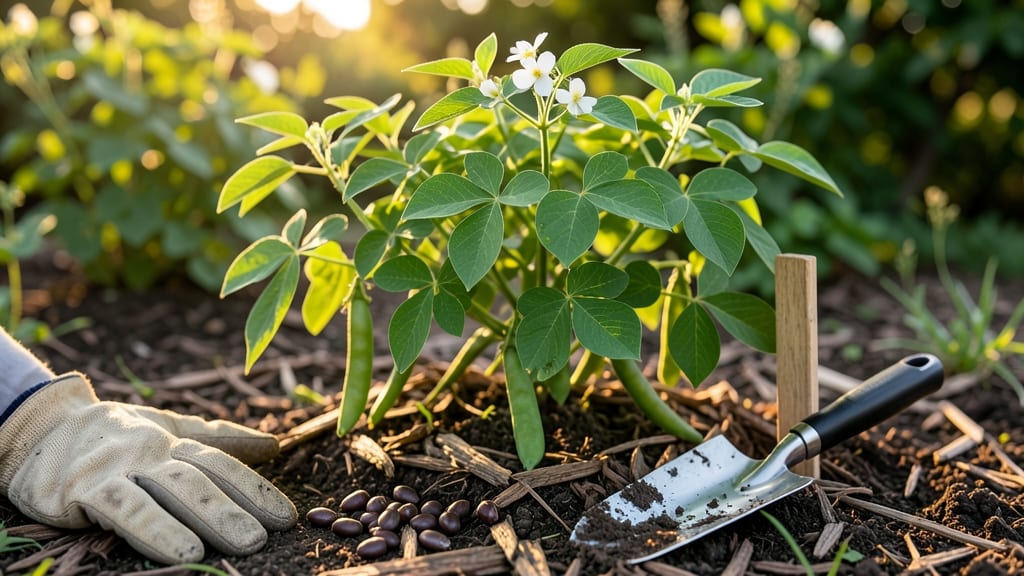
Planting fall green beans in Missouri isn't just about sticking them in the dirt—it's about nailing the perfect window to avoid frost while giving your 🌱 plants enough time to thrive.
One wrong move, and you could end up with bitter beans or a wasted season. The key? Knowing your county's exact frost dates and working backward from them.
Missouri's 5b-6b zones give you a head start, but local variations mean your neighbor's timeline might not match yours. Whether you're in St. Louis, Kansas City, or rural areas, the difference between a bountiful harvest and a frost-killed crop often comes down to just a few weeks of precise planning.
I'll show you how to calculate your exact planting deadline using Missouri Extension data, plus the best varieties that handle fall's cooler temps. By the end, you'll know not just when to plant, but how to stretch your harvest through October and beyond.
Ready to turn your garden into a green bean goldmine? Let's get those seeds in the ground at the perfect time—no guesswork, just results.
Missouri county-specific deadlines for fall green bean planting
Fall green beans thrive in Missouri’s USDA Zones 5b-6b, but your exact planting window depends on your county. Plant too early, and frost will kill tender seedlings; too late, and beans won’t mature before winter.
Using historical frost data from Missouri State University and USDA records, I’ve mapped out the last safe planting dates for four key regions to ensure a frost-free harvest.
Missouri’s average first frost ranges from October 10-25, depending on elevation and location. Since most green bean varieties take 50-60 days to mature, you must plant 4-6 weeks before frost.
For example, in St. Louis (Zone 6a), that means starting seeds by mid-August for a late-October harvest. Let’s break it down by region to help you plan.
| Region | USDA Zone | First Frost Date | Last Safe Planting Window | Days to Maturity | Harvest Window |
|---|---|---|---|---|---|
| St. Louis | Zone 6a | October 15-20 | August 15 - September 5 | 50-60 days | Late September - November 1 |
| Kansas City | Zone 5b-6a | October 10-15 | August 10 - August 30 | 50-60 days | Mid-September - October 25 |
| Columbia | Zone 6a | October 18-22 | August 10 - September 2 | 50-60 days | Late September - November 5 |
| Springfield | Zone 5b-6a | October 12-17 | August 5 - August 25 | 50-60 days | Mid-September - October 20 |
For St. Louis gardeners, the August 15-September 5 window ensures beans mature before the October 15-20 frost.
If you’re in Kansas City, act faster—plant by August 30 to avoid early freezes. Columbia’s slightly later frost date gives you a 10-day extension compared to St. Louis, while Springfield’s cooler nights mean you must start earlier to compensate.
Use these deadlines as a starting point, but always check local weather forecasts 1-2 weeks before planting. A late summer heatwave can delay frost, while an early cold snap might push your deadline up.
For example, in 2022, St. Louis saw frost as early as October 5, cutting the window by nearly a week. Adjust by 5-7 days earlier if your area has a history of early freezes.
If you’re unsure about your county’s frost date, consult the Missouri State Climate Office or use the National Weather Service’s frost prediction tool. For extended harvests, consider succession planting: sow a second batch 2-3 weeks after the first to stagger maturity.
This works best with fast-maturing varieties like 'Blue Lake' (50 days) or 'Provider' (55 days).
Protect young seedlings from unexpected cold snaps with row covers or cold frames. Even a 30-degree night can stunt growth. In higher-elevation areas (e.g., near Branson), add 1-2 extra weeks to the frost date calculations.
For example, if your county’s average first frost is October 20, plant by September 10 to ensure a full harvest before temperatures drop.
Missouri’s soil temperatures also play a role. Green beans prefer soil temps above 60°F for germination. In late August, southern Missouri counties like Poplar Bluff (Zone 7a) may still have warm soil, while northern areas like Kirksville (Zone 5a) might need to wait until early September.
Test soil temps with a soil therm
How to calculate your local frost-free window for fall green beans
Missouri's unpredictable fall weather makes timing critical for fall green beans. A 50-60 day maturity window means you must plant precisely to avoid frost damage while maximizing harvest potential. Using USDA Zone 5b-6b data and Missouri's historical frost patterns, I'll show you how to calculate your exact planting window.
Start by finding your average first frost date—typically October 20th in Missouri, but this varies by county. Subtract 55 days (the average maturity time for most green bean varieties) to determine your last safe planting date.
For example, if frost arrives October 20th, your final planting window closes around August 27th.
Check the Missouri Climate Center or USDA Plant Hardiness Zone Map. Most Missouri counties fall between October 15th-25th for first frost.
Select a variety with a 50-60 day maturity time. Examples include Blue Lake (55 days) or Kentucky Wonder (58 days). Shorter varieties like Mascotte (50 days) work for late plantings.
Subtract the maturity days from your frost date. For a 55-day variety with frost on October 20th, plant by August 27th. For a 50-day variety, push to September 10th.
Green beans need soil temps above 60°F. Use a soil thermometer to confirm. If soil is cooler, wait 1-2 weeks or use black plastic mulch to warm it faster.
Sow new seeds every 10-14 days until September 15th to extend your harvest. This ensures a continuous supply of fresh pods before frost.
Missouri's microclimates can shift frost dates by 1-2 weeks. Urban areas like St. Louis often frost 3-5 days later than rural zones. Use local gardeners' reports or weather stations to fine-tune your timing.
For example, Columbia typically frosts October 18th, while Springfield may see frost as early as October 10th.
Protect your late-season plants with row covers or cold frames to push harvests into early November. This extends your window by 10-14 days without risking frost damage. Always monitor 7-day forecasts—a late heatwave can delay frost and give you extra growing time.