
Plants
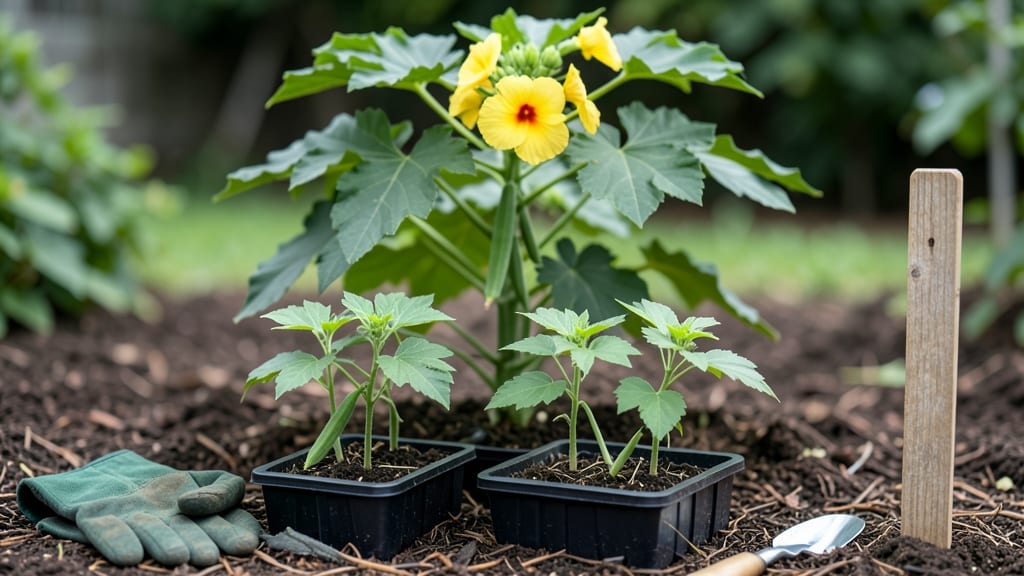
Planting okra in Arkansas isn’t just about waiting for spring—it’s about catching that 60°F+ soil window before the heat settles in, or risking plants that bolt before producing pods. With Arkansas’ USDA Zones 7a-8a offering everything from Ozark cool spells to Delta humidity, timing matters more than you might think.
Most gardeners in the Natural State swear by late April to early June starts, but that’s just the beginning. Whether you’re in the cooler hills of Northwest Arkansas or the steamy lowlands near the Mississippi, local microclimates can shift your ideal planting date by weeks.
The key? Monitoring soil temps and adjusting for your specific county’s frost patterns.
I’ve grown okra in Arkansas for years, and let me tell you—getting those seeds in the ground at the right moment means the difference between a bountiful harvest from July through October and a frustrating waste of effort.
Here’s exactly how to time it perfectly for your corner of the state.
From choosing heat-tolerant varieties to protecting early starts with row covers, we’ll cover all the tricks to maximize your okra’s potential. Ready to turn your garden into a pod-producing powerhouse? Let’s dig in.
Arkansas okra planting dates by USDA heat Zone (with County-specific adjustments)
Okra thrives in Arkansas’s warm climate, but planting too early in Zone 6 or too late in Zone 8 can ruin your harvest. The key is waiting until soil temperatures stay above 60°F and after the last frost—typically mid-April to early June depending on your region.
Northwest Arkansas (e.g., Benton County) has cooler springs, while Southeast Arkansas (e.g., St. Francis County) can plant earlier.
For direct sowing, Arkansas gardeners should aim for late April to early May in most areas. If you’re transplanting seedlings, start them indoors 4-6 weeks before your last frost date.
In Zone 7 (Central Arkansas), this often means mid-April for direct sowing, while Zone 8 (southern Arkansas) can start as early as early April.
Here’s a quick reference for Arkansas’s USDA Zones 6–8, including county-specific adjustments:
| USDA Zone | Last Frost Date | Ideal Planting Window | Soil Temp Threshold | County Examples |
|---|---|---|---|---|
| 6 (Northwest) | April 15–May 1 | Late May–Early June | 60°F+ (consistent) | Benton, Washington, Madison |
| 7a (Central) | March 30–April 15 | Mid-April–Early May | 60°F+ (consistent) | Pulaski, Saline, Faulkner |
| 7b (Southeast) | March 15–April 1 | Early April–Mid-April | 60°F+ (consistent) | Lee, Phillips, St. Francis |
| 8a (Delta) | February 28–March 15 | Late March–Early April | 60°F+ (consistent) | Drew, Chicot, Desha |
In Zone 6 (like Benton County), wait until late May to avoid frost damage. Use row covers if planting early in Zone 7 to protect seedlings from unexpected cold snaps. For Zone 8 (e.g., Chicot County), you can even start indoors in February for an early transplant.
Okra seeds won’t germinate below 60°F soil, so always check with a soil thermometer before planting. In humid Arkansas, mulch heavily to retain moisture and prevent bolting. I’ve found that black plastic mulch warms the soil faster, giving okra a head start in cooler zones.
For succession planting, sow new seeds every 2–3 weeks after your initial planting to extend your harvest into October. In Zone 8, you might even get a second harvest if you plant late summer varieties like ‘Emerald’.
Just be sure to space plants 12–18 inches apart to avoid overcrowding.
Watch for early-season pests like aphids in Zone 6 and late-season fungal diseases in Zone 8. Neem oil can help prevent issues in both regions. If you’re in Northwest Arkansas, consider using cold frames for a 2-week earlier start.
Remember, Arkansas’s microclimates vary wildly—even within a single county. If you’re near a river valley (like the Arkansas River), you might plant 1–2 weeks earlier than higher elevations. Always scout your garden’s specific conditions before committing to a planting date.
Pro tip: Mark your last frost date on a calendar and count back 60 days to determine your ideal harvest window. Okra grows fast—50–75 days to maturity—but timing is everything for that sweet, tender pod flavor.
How to extend Arkansas okra season: succession planting and cold protection tips
Arkansas’s short growing season can make okra a tricky crop—one late frost or cool snap, and your plants may never recover. But with the right strategies, you can stretch your harvest from July through October, even in cooler microclimates like Fayetteville or the Ozark foothills.
The secret? Succession planting and smart cold protection to give your okra the head start it needs.
I’ve learned the hard way that planting okra too early in Northwest Arkansas (Zone 7a) often leads to stunted growth, while gardeners in the Delta (Zone 8a) can push starts as early as late March.
The key is balancing soil warmth with air temperature—okra seeds need soil at 60°F+, but young plants can’t handle nighttime temps below 55°F.
- 1 Start with row covers: Use floating row covers to protect early starts in Zone 6-7 areas. Remove covers when plants reach 12 inches tall to prevent overheating.
- 2 Plant in stages: Sow half your seeds in late April, then repeat every 2-3 weeks until early June. This ensures a continuous harvest as older plants mature.
- 3 Choose heat-tolerant varieties: Opt for ‘Clemson Spineless’ (disease-resistant) or ‘Emerald’ (early producer) over finicky types like ‘Starburst’, which struggles in Arkansas’s humidity.
- 4 Avoid late-June planting: Seeds sown after June 15 in most of Arkansas rarely mature before frost. Save late starts for Zone 8a areas only.
- 5 Use black plastic mulch: Spread black landscape fabric to warm soil faster and suppress weeds. Remove when plants are 6 inches tall to prevent overheating.
One of my biggest mistakes was planting all my okra seeds at once in early May—only to watch them struggle through a 50°F night in late May. Since then, I’ve adopted a staggered approach, planting 25% of seeds every 2 weeks until early June.
This ensures I always have mature plants producing pods while younger ones catch up.
For gardeners in Northwest Arkansas, where nights can dip into the 40s even in June, I recommend using mini greenhouses or cold frames for early starts. These create a 5-10°F warmer microclimate, giving okra the boost it needs to establish roots before facing Arkansas’s infamous summer heat.
Just remember to ventilate on 75°F+ days to prevent fungal issues.
When selecting varieties, prioritize disease resistance over pod color. Arkansas’s humid summers make varieties like ‘Burgundy’ (with its built-in resistance to okra wilt) a safer bet than ‘Jinang Green’, which often succumbs to fungal pressure.
And if you’re in the Delta region, where heat and humidity are relentless, ‘Clemson Spineless’ produces pods even when other varieties bolt.
Finally, don’t forget to harvest aggressively to encourage more production. Okra plants reward consistent picking with larger yields—aim to harvest every 2-3 days once pods reach 3-4 inches.
This not only extends your season but also prevents the pods from becoming tough and fibrous, which is a common complaint among Arkansas gardeners.