
Plants
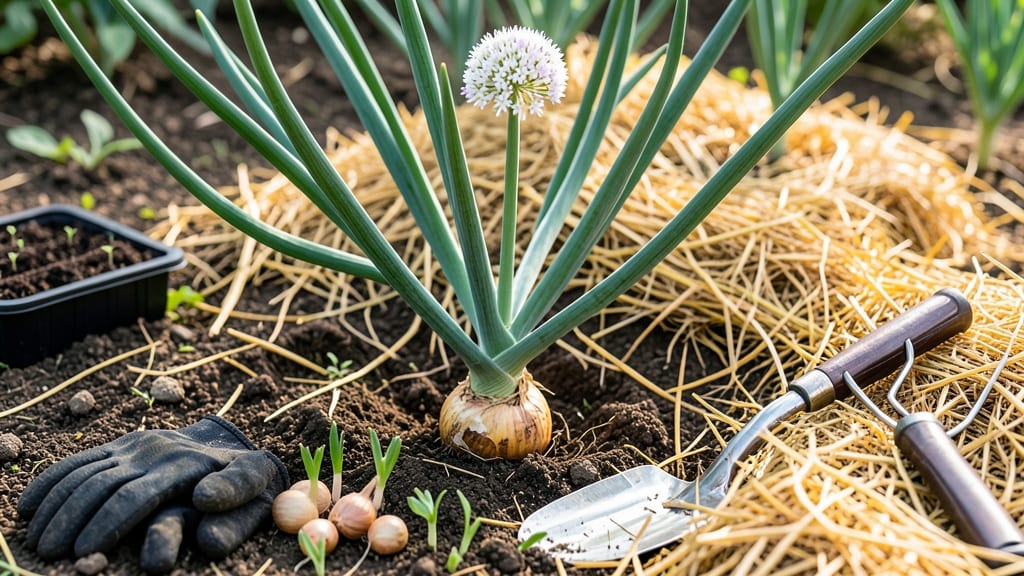
Planting onions in North Carolina at the wrong time can turn your harvest into bitter disappointment—or worse, a garden full of bolted greens. But timing isn’t just about months; it’s about varieties, soil temps, and avoiding the dreaded 'onion bolt' that ruins flavor and yield.
If you've ever wondered why some gardeners get perfect 🧅 bulbs while others struggle, the answer lies in understanding your local climate and variety needs. North Carolina's 7a-8b zones offer two prime planting windows: February-March for spring and August-September for fall.
Each requires different preparation to prevent bolting and ensure sweet, flavorful harvests.
I'll show you exactly when to plant for your specific region—whether you're in the humid coastal areas or the cooler mountain zones—plus how to adjust for your chosen onion type. With these zero-bolt strategies, you'll go from guesswork to guaranteed success in just a few simple steps.
Ready to transform your garden? Let's dive into the exact planting schedule that will have you harvesting plump, flavorful onions from June through November—without a single bitter or bolted plant in sight.
North Carolina onion planting calendar by variety: exact months to prevent bolting
North Carolina gardeners know timing is everything when it comes to onions—plant too early or too late, and you’ll end up with bitter, bolted greens instead of sweet, plump bulbs. The key lies in matching your onion variety with the right planting window and soil temperature.
Most of NC falls in USDA zones 7b-8a, where short-day, intermediate-day, and long-day varieties each have their perfect moment to thrive.
Bolting—the sudden flowering that ruins bulb development—happens when onions sense day length or heat stress. By planting at the right time, you trick them into focusing on bulb growth instead.
For spring onions and storage varieties, fall planting is your best bet, while summer varieties need an early spring start. Let’s break it down by variety and month to lock in your zero-bolt harvest.
⚠️ NON-NEGOTIABLE: Always check your local frost dates—most of NC’s last frost hovers around March 15, but mountain regions can delay until April 1. First frosts typically arrive November 15, but coastal areas may see earlier chills.
| Variety Type | Best Planting Window | Soil Temp Threshold | Days to Maturity | Bolt Risk Level |
|---|---|---|---|---|
| Short-Day Onions (e.g., 'Texas Early White', 'Yellow Granex') | August 15–September 15 (fall) | 50–60°F (10–15°C) | 90–120 days | ✅ Low (ideal for NC) |
| Intermediate-Day Onions (e.g., 'Candy', 'Sweet Spanish') | February 15–March 15 (spring) OR September 1–15 (fall) | 40–50°F (4–10°C) | 100–130 days | ⚠️ Moderate (watch spring heat) |
| Long-Day Onions (e.g., 'Yellowstone', 'Sweet Sandwich') | February 1–March 10 (spring only) | 45–55°F (7–13°C) | 110–140 days | ❌ High (risky in NC—bolt likely) |
| Green Onions/Scallions (e.g., 'Evergreen Hardy White') | March 1–April 15 (spring) OR August 1–September 30 (fall) | 40–60°F (4–15°C) | 60–80 days | ✅ None (harvest greens) |
| Onion Sets (pre-grown bulbs) | February 15–March 15 (spring) OR September 1–15 (fall) | 40–50°F (4–10°C) | 90–120 days | ✅ Low (fastest option) |
💡 Pro Tip: For fall-planted onions, aim to harvest before hard frosts (October–November). Use row covers if temps dip below 30°F.
For short-day onions, your August–September window is critical—plant too late, and bulbs won’t mature before winter.
These varieties thrive in NC’s climate because they sense shorter days and focus on bulb growth. Texas Early White and Yellow Granex are top picks for storage onions, while Candy onions (intermediate-day) can handle either spring or fall planting but need careful timing to avoid bolting.
If you’re growing long-day onions, proceed with caution—these are high-risk in NC. Varieties like Yellowstone bolt easily when day lengths exceed 14 hours, which happens by late May.
Instead, opt for intermediate-day types like Sweet Spanish or stick to green onions, which bolt-resistant and perfect for continuous harvests.
Soil temperature is your secret weapon against bolting. Use a soil thermometer to confirm temps are 40–60°F before planting—cooler soils slow growth and reduce bolt risk. In USDA zone 7b/8a, soil temps drop below 50°F by late October, so fall planting must happen by mid-September at the latest.
For spring plantings, wait until soil warms to 45°F (usually mid-February).
Mulching with straw or leaves (2–3 inches) keeps soil temps stable and conserv
How to adjust onion planting for North Carolina’s microclimates: coastal vs. Piedmont vs. mountains
North Carolina’s diverse geography means your onion planting strategy should change dramatically depending on whether you're in the humid coastal plains, the hot Piedmont, or the cooler mountains. Each region has unique frost dates, soil conditions, and variety requirements that can make or break your harvest.
For example, Wilmington’s coastal zone 8a has a longer growing season, while Asheville’s mountain zone 6b faces earlier frosts and shorter summers.
I’ve grown onions in all three regions, and the difference in timing and variety selection is night-and-day. In the coastal zone, you can push spring planting later, but in the mountains, you must start earlier to avoid bolting.
The key is understanding your last frost date and day-length requirements for your chosen varieties. Let’s break down the exact adjustments you need for each microclimate.
🔍 Comparison Table: Onion Planting Adjustments by NC Region
| Region | USDA Zone | Last Frost | First Frost | Best Varieties | Spring Planting Window | Fall Planting Window |
|---|---|---|---|---|---|---|
| Coastal (Wilmington) | 8a | March 1-15 | November 15-30 | Yellowstone, Texas Early White | February 20-March 15 | August 15-September 10 |
| Piedmont (Raleigh) | 7b | March 15-31 | October 31-November 15 | Candy, Red Baron | February 15-March 10 | August 1-September 5 |
| Mountains (Asheville) | 6b | April 1-15 | October 15-31 | Sweet Spanish, Texas Grano | February 1-March 5 | July 20-August 10 |
In the coastal zone, you’ll notice a later last frost date, allowing you to plant Yellowstone onions as late as mid-March. The humidity here demands extra attention to disease prevention—I always add a 2-inch layer of straw mulch to keep soil moist and prevent fungal issues.
For the Piedmont, where summers are hotter, Red Baron thrives because it handles the heat better than many varieties.
Up in the mountains, the cooler temperatures favor short-day varieties like Sweet Spanish, which won’t bolt as easily. The earlier frost dates mean you must plant 8-10 weeks before your first frost for fall onions.
I’ve found that black plastic mulch extends the season by warming the soil—critical for mountain gardeners. Without it, your onions may struggle to mature before winter sets in.
Regardless of your region, soil preparation is non-negotiable. Coastal areas benefit from sandy loam amendments to improve drainage, while mountain soils often need compost and organic matter to retain moisture.
Test your soil’s pH—aim for 6.0-7.0—and adjust with lime or sulfur as needed. These small tweaks can mean the difference between a bountiful harvest and a disappointing yield.
Pro tip: If you’re in transition zones (like the foothills), split your planting. Start with short-day varieties in early February and follow up with intermediate-day types in late March to stagger your harvest.
This way, you’ll have onions ready from June through October without gaps. With these regional adjustments, you’ll avoid the heartbreak of bolting and enjoy sweet, flavorful onions all season long. 🌱