
Plants
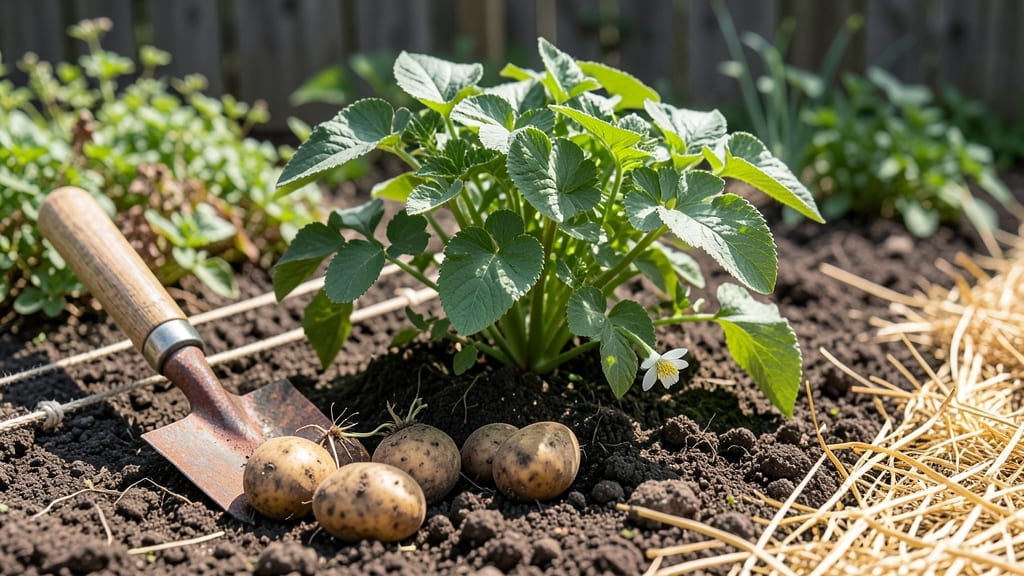
Planting potatoes at the wrong time in North Carolina can mean the difference between a thriving harvest and wasted effort. With 7a-8b climate zones and regional frost variations, timing is everything for your 🥔 crop.
Whether you're in the coastal plains or the mountain regions, getting the schedule right ensures your tubers grow strong and avoid frost damage.
Most gardeners know spring is the prime window, but did you know summer planting can also work? The key is understanding your last frost date—typically between March 15 and April 15—and adjusting for early, mid-, or late-season varieties.
I’ll break down the exact months for each region so you can plant with confidence and avoid common mistakes that ruin harvests.
Why does this matter? Because potatoes planted too early risk frost damage, while those planted too late may not mature before summer heat sets in. The solution? A strategic approach tailored to your location, from soil prep to variety selection.
Let’s dive into the planting calendar that’ll have you digging up fresh spuds by summer.
You’ll discover how to stretch your growing season with summer planting, which varieties thrive in NC’s heat, and how to protect your crop from pests like Colorado potato beetles. With these insights, you’ll maximize your yield and enjoy homegrown potatoes all season long.
North Carolina potato planting calendar by region: frost-free months explained
North Carolina's diverse climate means potato planting times vary dramatically between the Coastal Plain, Piedmont, and Mountain regions. In the Coastal Plain, mild winters and early springs allow planting as early as late February, while Mountain regions often wait until mid-April to avoid late frosts.
Understanding these regional differences is key to avoiding frost damage and maximizing your harvest potential.
Your last frost date determines the perfect planting window for potatoes. In North Carolina, this typically ranges from March 15 in the Coastal Plain to April 15 in the Mountains. For optimal germination, soil temperatures should reach 45°F (7°C)—a critical threshold that varies by elevation.
Planting too early in cold soil can stunt growth, while waiting too long risks overcrowding as plants mature quickly in warm conditions.
Soil temperature is just as important as frost dates. Use a soil thermometer to confirm readiness—potatoes need consistent warmth to sprout uniformly. In the Piedmont region, where temperatures fluctuate, aim for 50°F (10°C) minimum soil temps before planting. Coastal areas can start earlier, but Mountain gardeners should hold off until after April 1 to ensure safety.
For spring planting, aim to plant 4-6 weeks before your region's last frost date. This gives seedlings time to establish roots before warm weather arrives. In the Coastal Plain, this means starting as early as late February, while Mountain gardeners should wait until late March.
Early varieties like Yukon Gold thrive in these conditions, producing harvests by late May.
North Carolina also supports summer planting for a fall harvest. Plant seed potatoes in early July to avoid the peak heat of August. Use black plastic mulch to warm the soil and retain moisture, especially in the drier Piedmont.
Late varieties like Red Pontiac perform well in these conditions, yielding tubers by October.
Regional microclimates can shift planting windows by 2-3 weeks. For example, Asheville's Mountain climate may experience late frosts into May, while Wilmington's Coastal warmth allows earlier starts. Always check local USDA Plant Hardiness Zone maps (NC ranges from 7a-8b) and supplement with neighborhood observations.
If you're unsure about frost dates, use frost-sensitive plants as indicators. Plant marigolds or basil nearby—if they survive overnight, your potato seedlings are likely safe. For extra protection, cover young plants with frost cloth during unexpected cold snaps, especially in higher-elevation Piedmont areas where temperatures drop faster.
Adjust your planting schedule based on variety maturity. Early-season types (60-90 days) like Red Norland work well for spring planting, while late-season varieties (100+ days) such as Russet Burbank suit summer planting.
Mixing varieties extends your harvest window from May through October, ensuring fresh potatoes year-round.
Remember: Soil preparation matters just as much as timing. Work in compost or aged manure before planting to improve drainage, especially in clay-heavy Piedmont soils. Raised beds warm up faster in spring, making them ideal for Mountain gardeners with shorter growing seasons.
With the right planting calendar and soil prep, you'll enjoy homegrown potatoes all season long!
How to adjust planting dates for early vs. late potato varieties in NC
North Carolina’s diverse climate means your potato planting dates should match the variety’s cold tolerance and your local frost risk. Early varieties like ‘Yukon Gold’ thrive in cooler soils, while late varieties such as ‘Red LaSoda’ need warmer conditions to mature.
High-altitude areas (like the Mountains) face earlier frosts, so timing is critical to avoid crop loss.
For coastal NC, where frost arrives later, you can plant early potatoes as soon as soil warms to 45°F (around mid-February). In the Piedmont, wait until early March to align with the last frost date.
Mountain gardeners should delay until late March or April to protect tender sprouts from late spring frosts.
Sweet potatoes deserve special attention—they’re not frost-tolerant and need warm soil (at least 65°F) to germinate. In NC, plant slips (young plants) in late May–June for a fall harvest before first frost. Avoid planting seeds directly; they rot in cool soil.
Pro tip: For a continuous harvest, stagger plantings by 2–3 weeks. Start with early varieties in February, then add mid-season in March, and finish with late varieties in April. This ensures tubers mature at different times, extending your harvest window.
If you’re unsure about your last frost date, check the NC State Climate Office or use a frost calendar for your county. Remember: Cold soil + frost = failed sprouts. Adjust your planting date if temperatures dip unexpectedly—your potato crop will thank you! 🌱