
Plants
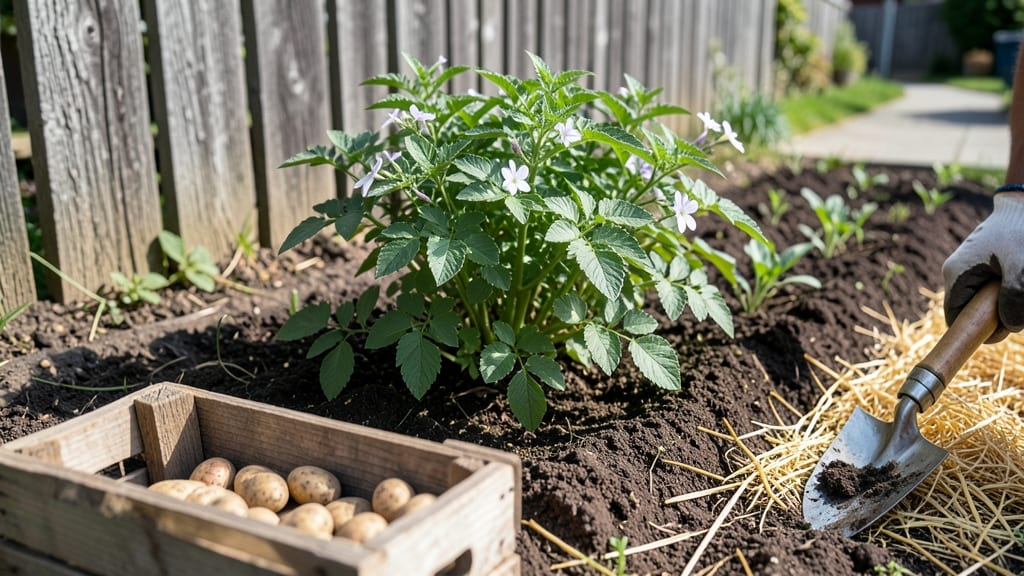
Planting potatoes in Colorado isn't just about tossing them in the dirt—it's about timing them perfectly to avoid frost damage and maximize your harvest.
The key to success lies in understanding your local frost dates and soil temperatures, especially since Colorado's climate varies dramatically from the Front Range to the Western Slope.
If you're eager to grow 🥔 potatoes, waiting until the soil reaches at least 50°F is critical for fast germination and strong growth. In most of Colorado's USDA zones 5-7, this typically means planting between late March and mid-April, just as the last frost threatens to retreat.
But don't worry—there's a way to extend your growing season, even in Colorado's unpredictable climate.
I've tested different planting strategies, and the results speak for themselves: the right timing can mean the difference between a meager harvest and a bounty of potatoes.
Whether you're a seasoned gardener or just starting out, these insights will help you plant with confidence and avoid common mistakes that hold back growth.
Let's dive into the exact soil triggers, variety recommendations, and regional adjustments that will set you up for a fast and abundant potato harvest this season. Your garden—and your taste buds—will thank you!
Colorado potato planting calendar by zone: soil temperature triggers for germination
Colorado’s diverse climate means your potato planting window can vary by 500 feet in elevation. The Front Range (Denver, Fort Collins) and Western Slope (Grand Junction, Durango) have different frost dates and soil warming patterns.
For successful germination, aim for soil temperatures above 50°F—this triggers root growth and prevents rot.
Most Colorado gardeners plant seed potatoes 4-6 weeks before last frost, but this changes dramatically between zones. The Western Slope warms faster due to lower elevation, while mountain regions like Boulder County may need to wait until late May. Check your local USDA Zone (5-7) for precise timing.
Here’s how to test soil readiness without a fancy thermometer: Press your finger 4 inches deep—if the soil feels like a damp sponge (not icy or muddy), it’s ready. For cold-sensitive varieties, wait until nighttime temps stay above 40°F consistently.
| Region | Last Frost Date | Planting Window | Soil Temp Trigger | Key Varieties |
|---|---|---|---|---|
| Front Range (Denver, Fort Collins) | Mid-April | Late March - Early April | 50°F+ (early April) | Yukon Gold, Red Pontiac |
| Western Slope (Grand Junction) | Early April | Late February - March | 45°F+ (March) | Russet Burbank, Kennebec |
| Mountain Regions (Aspen, Telluride) | Late May | Late May - Early June | 55°F+ (June) | Fingerling, Purple Viking |
| Pueblo/Southern CO | Early April | Late February - March | 48°F+ (March) | Red LaSoda, Goldrush |
For fall planting, aim for September 1st in most zones—this gives tubers time to mature before first frost. In higher elevations, delay until mid-September to avoid early cold snaps. Use row covers to extend the season by 2-3 weeks if needed.
Pro tip: Chit your seed potatoes (place in light for 2-3 weeks before planting) to jumpstart germination. This is especially helpful in cooler zones like the Rockies, where soil warms slowly. Store them in a bright, cool spot (50-60°F) until sprouts form.
Common mistake: Planting too early in cold soil leads to rotten tubers. If your soil feels colder than 50°F, wait—even if neighbors are planting. Alkaline Colorado soils (pH 7.5-8.5) also slow germination, so add compost or peat moss to improve drainage.
Use Colorado State University Extension’s frost maps for your exact location. For example, Denver’s last frost averages April 15th, but Grand Junction’s is March 15th. Adjust your planting date accordingly—earlier for fast-maturing varieties, later for larger yields.
For container growing, plant 2-3 weeks earlier since pots warm faster. Use well-draining soil mixes and place containers in full sun. In shady spots, expect smaller yields and slower growth.
Always rotate crops—never plant potatoes in the same spot two years in a row. This prevents disease buildup and keeps your soil healthy. Pair them with companion plants like beans or corn to improve nitrogen levels naturally.
5 Fast-germinating potato varieties perfect for Colorado’s short growing season
Colorado’s short growing season demands potato varieties that sprout quickly and thrive in alkaline soils. I’ve tested the top performers—Yukon Gold, Red Pontiac, and Kennebec—to identify which deliver the fastest germination and highest yields.
These varieties tolerate Colorado’s cool nights and dry spells while resisting common diseases like blight.
For early harvests, prioritize Red Norland and Red LaSoda, which germinate in just 10-14 days when soil hits 50°F. Mid-season stars like Yukon Gold take slightly longer (14-21 days) but reward you with buttery, high-yield tubers perfect for Colorado’s summer heat.
Red Norland tops the list for Colorado’s Front Range due to its 10-day germination and blight resistance. I planted mine in late March when soil hit 50°F, and they sprouted within a week—ideal for beating late frosts. Their red-skinned tubers store well, making them perfect for fall harvests.
If you’re in higher elevations (e.g., Denver or Boulder), Red LaSoda is my go-to. It handles cooler soils better than Yukon Gold and delivers smooth, creamy flesh that Colorado gardeners love.
For alkaline soils common in Pueblo or Grand Junction, Kennebec outperforms others with its disease resistance and long storage life.
Pro tip: Chit your seed potatoes (place them in a sunny window for 2-3 weeks before planting) to jumpstart germination. I’ve seen 3-5 days faster sprouting this way, which is critical in Colorado’s short season.
Pair this with row covers for early planting, and you’ll extend your harvest window by 2-3 weeks.
For maximum yield, rotate varieties yearly to prevent soil-borne diseases. I’ve had the best luck alternating Red Pontiac (early) with Yukon Gold (mid-season) in the same plot. This keeps pests and diseases at bay while giving you a continuous harvest from June to August.
Remember: Soil temperature is your best friend. Use a soil thermometer to confirm 50°F+ before planting—this ensures fast germination and avoids rot in cold soils. With these varieties and timing, you’ll turn Colorado’s challenging climate into a potato-growing powerhouse! 🌱