
Plants
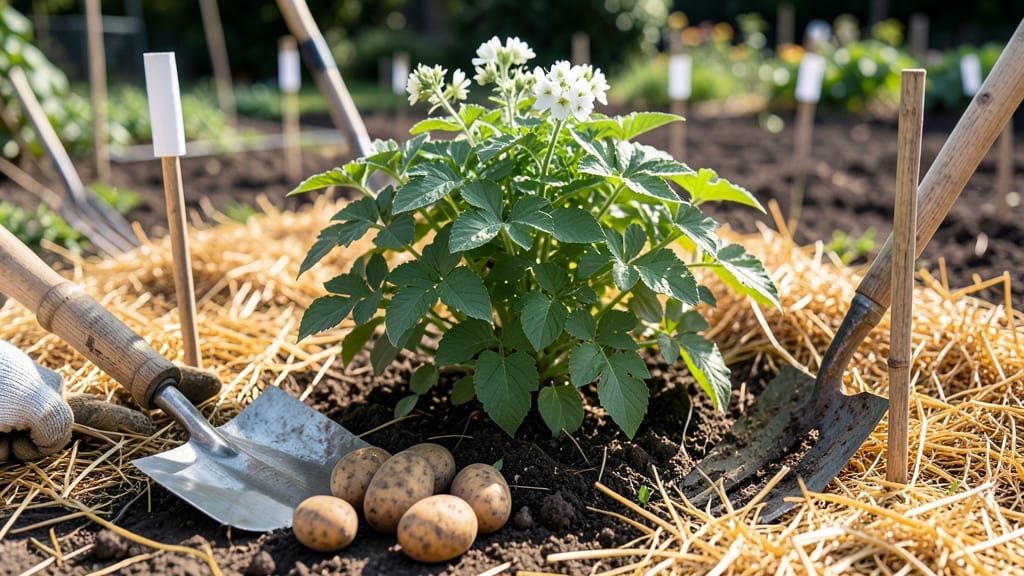
Planting potatoes in Indiana at the wrong time can mean the difference between a bumper crop and a total loss—especially when frost lingers or heat arrives too early.
The perfect window for planting your 🥔 starts 2-4 weeks before your county’s last frost date, but with Indiana’s varied climate (USDA Zone 5-6), timing isn’t one-size-fits-all.
Most Indiana gardeners wait until soil warms to 45°F, typically between late March and early April, but early varieties can handle cooler temps. Missing this window risks stunted growth or frost damage, while planting too late cuts your harvest season short.
Let’s break down the exact dates by county and how to adapt for your potato variety.
Whether you’re growing Yukon Golds for creamy mash or fingerlings for salads, the key is localized precision. I’ll show you how to adjust for your specific frost-free zone, plus pro tips to extend your growing season—so you can enjoy homegrown spuds from June through August.
Ready to dig in? By the end, you’ll know not just when to plant, but how to protect your crop from Indiana’s unpredictable weather. Let’s get started.
Indiana’s frost-free dates by county for planting potatoes in 2024
Indiana’s USDA Zones 5-6 mean your potato planting window depends heavily on your county’s last average frost date. Planting too early risks frost damage, while waiting too long can shorten your growing season.
Most Indiana counties experience their last frost between mid-April and early May, but exact dates vary by region.
For optimal potato growth, aim to plant seed potatoes 2-4 weeks before your county’s last frost. This gives tubers time to establish roots before warm weather arrives.
Southern Indiana counties like Posey and Gibson often see frost-free dates as early as March 20-30, while northern counties like Lake and Porter may wait until May 1-10.
Below is a county-by-county breakdown of Indiana’s average last frost dates and recommended planting windows for potatoes in 2024. Use this as your guide to time your planting for a bountiful harvest.
🌱
| County | Avg Last Frost | Early Planting Window | Mid Planting Window | Late Planting Window |
|---|---|---|---|---|
| Posey, Gibson, Pike, Vanderburgh | March 20-30 | Feb 25 - Mar 10 | Mar 15 - Mar 25 | Mar 30 - Apr 10 |
| Vigo, Clark, Floyd, Harrison | April 1-10 | Mar 15 - Mar 25 | Mar 25 - Apr 5 | Apr 10 - Apr 20 |
| Marion, Hamilton, Hendricks, Johnson | April 10-20 | Mar 25 - Apr 5 | Apr 5 - Apr 15 | Apr 20 - May 1 |
| LaPorte, Steuben, Kosciusko | April 25-May 5 | Apr 10 - Apr 20 | Apr 20 - May 1 | May 5 - May 15 |
| Lake, Porter, Jasper, Newton | May 1-10 | Apr 20 - May 1 | May 1 - May 10 | May 15 - May 25 |
Northern Indiana’s cooler microclimates (like Lake County) often experience later frost dates, so gardeners there should wait until mid-May for planting. Meanwhile, southern Indiana’s warmer climate allows for earlier planting as early as late February in some counties.
For cold-hardy varieties like Yukon Golds or Kennebec, you can push the early window by using row covers or black plastic mulch to warm the soil faster. Conversely, heat-sensitive varieties like Red Pontiac should be planted closer to your mid-planting window for best results.
Always check your local soil temperature—potatoes thrive when soil reaches 45°F (7°C). Use a soil thermometer to confirm readiness before planting. In USDA Zone 6a, this typically aligns with the mid-April to early May range for most of Indiana.
Pro tip: Stagger your planting by 2-3 weeks to extend your harvest season. Plant early varieties first, then follow with mid-season and late-season potatoes for a continuous supply from June through August.
🌿
How to adjust planting time for early vs. late potato varieties
Not all potatoes thrive on the same schedule in Indiana’s Zone 5-6 climate. Early varieties like Yukon Golds need cooler soil to sprout, while late russets handle Indiana’s summer heat better. The key is matching your potato type to soil temperatures and frost risks.
For example, red potatoes often mature faster and can handle early planting, while fingerlings prefer slightly warmer soil to avoid scab disease.
Indiana’s soil temperature must reach 45°F (7°C) for seed potatoes to sprout. Use a soil thermometer to check—cold soil delays germination. In northern Indiana, aim for mid-April planting for early varieties, while southern Indiana can start as early as late March.
Adjust based on your county’s last frost date, which varies from April 15 in the north to March 25 in the south.
- 🥔 Early Varieties (60-90 days): Plant red potatoes and Yukon Golds 2-3 weeks before last frost (soil 45°F). Ideal for March-April in Indiana.
- 🌡️ Soil Temp Check: Wait until soil hits 45°F (7°C)—cold soil causes seed rot. Use a thermometer for accuracy.
- ☀️ Late Varieties (100-120 days): Plant russets and fingerlings after last frost (soil 50°F+). Best for late April-May.
- ❄️ Frost Risk: Early plantings may need row covers if frost threatens. Late varieties tolerate heat better but need consistent moisture.
- 📅 Stagger Planting: For continuous harvests, plant early, mid, and late varieties 2 weeks apart. Example: March 15 (reds), April 1 (Yukons), April 15 (russets).
Cold-hardy varieties like Kennebec russets or LaSoda fingerlings can handle Indiana’s unpredictable springs. These tolerate cooler soils and light frosts after sprouting, making them ideal for northern Indiana.
Heat-sensitive types like Sweet potatoes (not true potatoes) or new potatoes need warmer soil (55°F+) and thrive in late spring plantings.
Adjust your schedule if Indiana’s weather shifts. For example, a late frost in May might delay planting russet potatoes until June. Monitor local forecasts and use black plastic mulch to warm soil faster.
In southern Indiana, you can even try a fall planting of early varieties in September for a winter harvest before frost.
Pro tip: Chit your seed potatoes (sprout indoors) 4-6 weeks before planting. This gives early varieties a head start in cold soil. For late varieties, skip chitting—they’ll sprout faster in warmer conditions.
Always plant seed potatoes 4 inches deep and 12 inches apart to prevent disease and encourage tuber formation.
Remember, Indiana’s 165 frost-free days are your guide. Early plantings need fast-maturing varieties (60-90 days) to avoid blight in summer, while late plantings can handle longer-season russets. Test a few varieties each year to find what works best for your microclimate—your potato patch will thank you! 🌱