
Plants
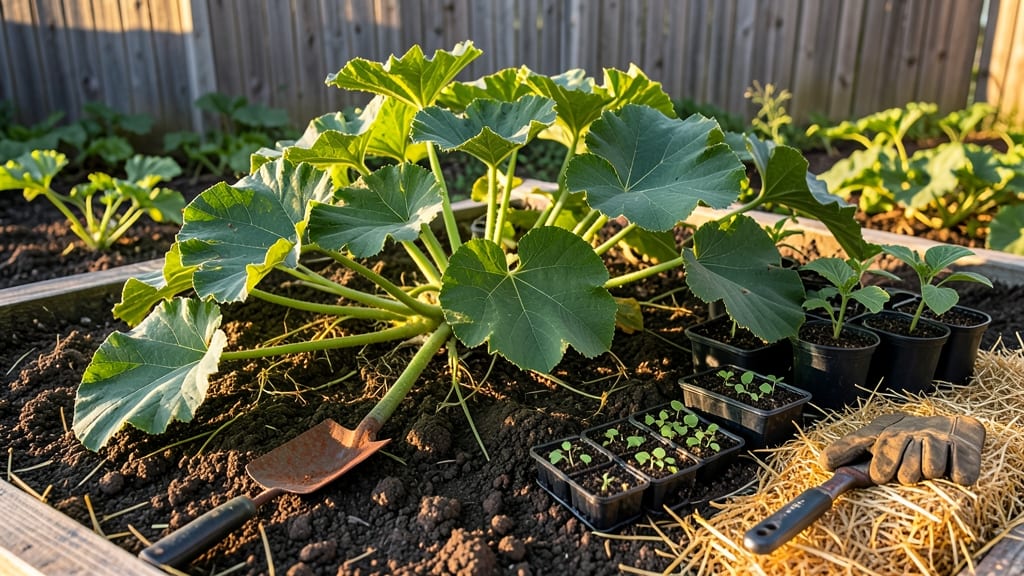
Planting pumpkins in Kansas isn’t just about grabbing seeds and sticking them in the dirt—it’s about timing them perfectly to beat the unpredictable frosts that can turn your hard work into mush.
The right window means the difference between a bumper crop of 🎃 and a sad, wilted vine by October.
For Kansas gardeners in zones 5b-7a, getting those seeds in the ground between late April and mid-June is critical, but even then, you’ll need to account for your specific corner of the state.
Why does this matter? Because pumpkins need 90+ days of warm soil to mature, and Kansas summers are short—especially in the northern zones. Skip the guesswork and plant too early, and frost will nip your seedlings in the bud.
Wait too long, and your pumpkins won’t have enough time to bulk up before the first chill. The solution? A strategy that balances soil warmth, frost dates, and your local microclimate.
In this guide, I’ll break down the exact months to plant based on your zone, plus pro tips to stretch your growing season—whether you’re aiming for giant jack-o’-lanterns or sweet pie pumpkins.
You’ll also discover which varieties handle Kansas’ heat and humidity best, so you can pick the perfect fit for your garden.
Ready to grow pumpkins that thrive? Let’s dive into the step-by-step schedule that’ll have you harvesting plump, frost-free pumpkins by fall—no matter where in Kansas you’re planting.
Kansas pumpkin planting calendar: exact months by hardiness Zone
Kansas’ USDA Zones 6a-7b create unique challenges for pumpkin growers. The last spring frost typically arrives between April 15-30, but first fall frosts can hit as early as October 15. This leaves just 165 frost-free days—enough for giant varieties but risky for late plantings.
Your exact planting window depends on whether you’re growing pie pumpkins (faster-maturing) or giant varieties (90+ days to harvest).
For most of Kansas, May is the safest month to plant pumpkins outdoors. However, gardeners in Zone 7b (like parts of Wichita) can push planting to early June for late-season varieties, while Zone 6a areas (e.g., Kansas City) should start by mid-April indoors or late April outdoors.
Transplanting seedlings (purchased or home-started) gives you a 2-3 week head start over direct sowing.
🎃
Direct sowing is the preferred method for Kansas pumpkins because seedlings hate transplant shock. However, if you’re growing giant varieties (like Atlantic Giant), starting seeds indoors 4-6 weeks before your last frost date gives them a critical head start.
Use biodegradable pots to avoid root disturbance when transplanting.
Soil temperature is non-negotiable—pumpkin seeds won’t germinate below 60°F. In Zone 6a, wait until late May to ensure warm soil. Use a soil thermometer to confirm. If your soil is too cool, cover it with black plastic mulch for 1-2 weeks to warm it up naturally.
Regional microclimates matter! Wichita’s hotter summers allow for later plantings (even July for fast varieties), while Kansas City’s earlier frosts demand earlier starts. If you’re in a windy area (like Great Bend), plant near windbreaks or use straw mulch to protect young vines.
For pie pumpkins, aim to harvest by early October. Varieties like ‘Sugar Pie’ mature in 75-85 days, so May plantings work perfectly. Giant pumpkins, however, need 90-120 days, so Zone 6a gardeners should start by late April—or risk losing their harvest to frost.
Pro tip: Mark your planting date on a garden calendar and count backward from your average first frost (check your local Cooperative Extension Service for precise dates). This ensures you’re planting early enough
How to extend your Kansas pumpkin growing season for zero-frost harvests
Kansas’ unpredictable frost dates can turn a great pumpkin harvest into a bust. But with the right strategies, you can push your growing season 4-6 weeks later—ensuring zero-frost survival for your Cinderella or Howden varieties.
The key? Combining soil warming, protective covers, and companion planting to create a microclimate that mimics summer even as fall arrives.
Start by hardening off seedlings 10-14 days before transplanting. Gradually expose young plants to wind and cooler temps (50-60°F nights) to toughen their vine structure. This step alone can delay frost damage by 7-10 days—critical in Kansas’ Zone 6a-7b where late frosts hit hard.
Pair this with black plastic mulch laid 2 weeks before planting to raise soil temps by 10-15°F.
- 🔥 1. Cold Frames: Use clear plastic or glass frames to trap heat; extends season by 3-4 weeks for early varieties like 'Jack Be Little'.
- 🛡️ 2. Row Covers: Floating fabric covers (30-50% shade) protect against 30°F temps; remove during pollination for bee access.
- 🌡️ 3. Soil Warming: Bury black plastic mulch 2 weeks pre-planting to raise soil temps to 70-80°F—ideal for germination.
- 🌿 4. Companion Planting: Surround pumpkins with marigolds (pest deterrent) or bush beans (nitrogen fixers) to boost vine resilience.
- 🍂 5. Hardening Off: Acclimate seedlings to 50-60°F nights 10 days pre-transplant to delay frost damage by 7-10 days.
For late-summer frosts (common in October), prioritize row covers over cold frames—they’re easier to install and remove. Secure edges with soil or bricks to prevent wind damage, and leave gaps for pollination during warm afternoons.
Pair this with drip irrigation to maintain soil moisture, as dry roots make pumpkins 3x more frost-sensitive.
Monitor Kansas’ frost risk using the National Weather Service’s frost prediction tool. If a 28°F frost is forecast, cover plants with blankets or cardboard (evenings only) to raise temps by 5-8°F.
For extreme cold snaps (<25°F), add a heat source like a plant-safe light bulb inside a ventilated cold frame.
Companion planting with nasturtiums or radishes can add 1-2 extra weeks to your harvest. These plants repel squash vine borers and improve soil structure, helping vines recover faster from cool-night stress. Space them 12 inches from pumpkin hills to avoid competition for nutrients.
Finally, harvest strategically: Pick pumpkins when rinds harden (test with a thumbnail) and vines yellow—even if frost looms. Cured pumpkins (stored at 50-55°F) last 2-3 months, so don’t wait for perfect conditions.
With these tactics, you’ll double your zero-frost harvest potential in Kansas’ tough climate. 🎃