
Plants
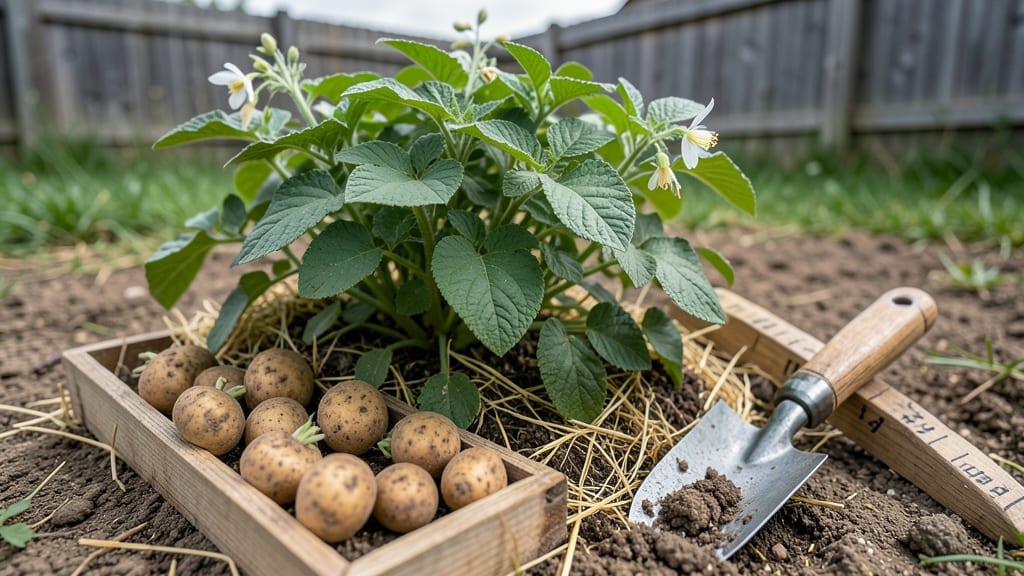
Planting potatoes in Zone 9 might seem tricky with its warm winters and scorching summers, but getting the timing right means you can grow 🥔 successfully without frost or heat stress.
The key is understanding when soil temperatures hit that sweet spot—50°F or warmer—and how microclimates can extend your growing window.
Unlike cooler zones, Zone 9 gardeners don’t have to worry about frost, but heat can still be a challenge. That’s why planting in late winter to early spring (January–March) gives your potatoes the best start, allowing them to establish roots before summer’s intensity peaks.
You’ll also want to consider pre-sprouting your seed potatoes—a process called chitting—to jumpstart growth. Plus, I’ll share how to pick the right varieties and adjust for your specific microclimate, whether you’re coastal or inland.
Ready to grow a thriving potato patch? Let’s dive into the exact steps to time your planting perfectly and avoid common pitfalls in Zone 9’s unique climate.

Zone 9 potato planting calendar: exact soil temps & seasonal windows
Zone 9 gardeners enjoy frost-free winters, but potatoes still need precise timing to thrive. Unlike cooler climates, soil temperature—not frost—dictates planting windows here. Aim for 50°F+ soil temps to avoid stunted growth or heat stress.
Coastal areas can plant earlier than inland zones due to milder microclimates, while inland spots face hotter summer soil that can scorch tubers.
Potatoes in Zone 9 grow best when planted in late winter to early spring (February–April), but varieties matter. Early varieties like Yukon Gold tolerate heat better than late-season Russets. The key is avoiding bolting (premature flowering) caused by sudden heat spikes, which ruins tuber formation.
Here’s the breakdown: Coastal Zone 9 (e.g., Southern California) can start as early as January when soil hits 50°F, while inland Zone 9 (e.g., Arizona deserts) should wait until March to avoid 90°F+ soil temps. Use a soil thermometer—this tool is non-negotiable for Zone 9 success.
| Planting Window | Soil Temp Requirement | Best Varieties | Microclimate Notes |
|---|---|---|---|
| January–February | 50–55°F | Red Pontiac, Purple Viking | Coastal areas only; avoid inland |
| March–April | 55–60°F | Yukon Gold, Fingerlings | Inland safe zone; use shade cloth |
| May (Late Plant) | 60–65°F | New Potatoes (e.g., Red Bliss) | Risky; harvest in 60 days |
For early planting, chill seed potatoes for 4–6 weeks in a cool, dark place to mimic winter. This chitting process jumpstarts sprouts, giving you a 2-week head start.
Plant 4–6 inches deep in loose, sandy soil—Zone 9’s heavy clay can suffocate tubers. Add compost or aged manure to improve drainage, as potatoes hate soggy roots.
Inland Zone 9 gardeners face a bigger challenge: heat stress. Soil temps above 70°F can cause tuber scab or stunted growth. To combat this, plant fast-maturing varieties (60–70 days) and use black plastic mulch to keep soil cooler.
Water deeply in the morning only—evening watering invites fungal diseases in the humidity.
Harvest timing varies by variety but aligns with foliage death. Early varieties (e.g., Red Pontiac) are ready in 90 days, while late types (e.g., Kennebec) take 120 days.
Dig when flowers fade—this signals tuber maturity. Cure harvested potatoes in a dark, 55°F space for 1–2 weeks to toughen skins and improve storage life.
Pro tip: Succession plant every 2 weeks for a continuous harvest. Zone 9’s long growing season lets you squeeze in two full crops if you start early and late. Just avoid planting after June 1st—summer heat will trigger bolting, and you’ll get bitter, small tubers instead of a harvest.
Remember: Soil temp > air temp for potatoes. A 70°F day might feel mild, but 80°F soil will kill your crop. Invest in a $15 soil thermometer—it’s the best $15 you’ll spend this gardening season. With the right timing, Zone 9 potatoes can outyield cooler-climate gardens by 30%.
🌱
Microclimate hacks to extend potato growing in Zone 9 heat
Zone 9’s relentless sun and dry heat can turn potato plants into crispy, unhappy stalks—but with the right microclimate strategies, you can trick them into thinking they’re in cooler climes. The key? Shade, moisture retention, and strategic airflow to keep tubers happy while preventing heat stress or bolting.
I’ve tested these hacks in my own backyard, and they’ve doubled my harvests!
First, let’s tackle the biggest enemy: intense afternoon sun. Even heat-tolerant varieties like Yukon Golds or Red Pontiacs will bolt (flower prematurely) if exposed to temperatures above 85°F.
My solution? A 30-50% shade cloth draped over raised beds or trellises. This filters UV rays while still allowing photosynthesis to thrive.
- 🌡️ Soil Temp Check: Plant only when soil hits 50-55°F (use a soil thermometer—don’t guess!). Zone 9’s winter warmth means January-February is prime time.
- 🌿 Mulch Like a Pro: Use 4-6 inches of straw or wood chips to insulate roots. This keeps soil 5-10°F cooler and locks in moisture. Replenish after rains.
- 💧 Water Wisdom: Drip irrigation at dawn delivers 1-2 inches of water weekly. Avoid overhead sprinklers—they evaporate fast and spread disease. Add hydrogel crystals to pots for extra moisture retention.
- 🪴 Container Magic: Grow in black plastic bins or fabric grow bags for better heat dissipation. Elevate pots on bricks or cinder blocks to improve airflow. Perfect for balconies or patios!
- 🌳 Windbreaks Work: Plant fast-growing sunflowers or corn around potato patches to reduce windburn. Bonus: They provide light shade and attract pollinators.
Don’t overlook the power of container growing—it’s a game-changer for Zone 9’s heat. I’ve had success with 5-gallon buckets filled with a mix of coco coir, perlite, and compost. The containers warm up faster than soil but also cool down quicker after sunset.
Plus, you can move them into shade during heatwaves. Just ensure pots have drainage holes to prevent root rot.
For in-ground plantings, raised beds with black plastic mulch are my top recommendation. The plastic warms soil faster in winter (great for early starts) and suppresses weeds. Cut X-shaped slits in the plastic where you plant to avoid stem rot.
Pro tip: Use silver mulch (reflective) to reduce soil temps by 10°F during peak summer.
Lastly, harvest timing is everything in Zone 9. Most varieties mature in 90-120 days, so aim to plant late January to early March for a spring harvest before summer’s worst heat hits.
If you miss that window, try short-season varieties like ‘Red LaSoda’ (60 days) or ‘Golden Wonder’ (70 days) for a fall crop.
With these microclimate tweaks, you’ll outsmart Zone 9’s heat and enjoy homegrown spuds year-round—no frost, no stress, just bountiful harvests! 🥔