
Plants
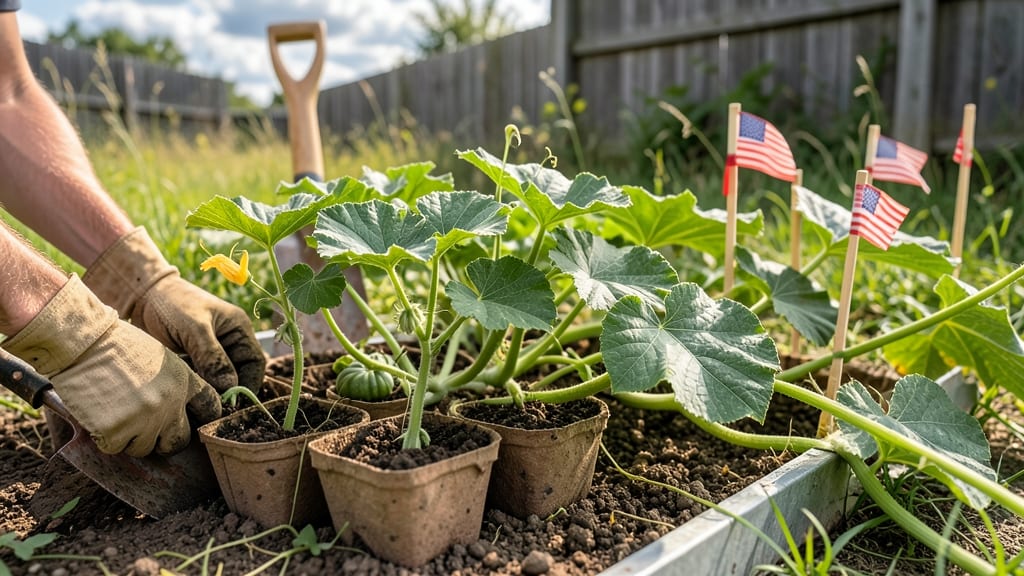
Planting pumpkins in Illinois at the wrong time can turn your garden dreams into a sad, wilted mess—but get the timing right, and you’ll be feasting on homegrown 🎃 by fall.
The key is waiting until the soil warms enough to support those hungry vines, typically after the last frost, which can vary wildly from Chicago’s chilly 5a zones to St. Louis’ milder 6b climate.
Most Illinois gardeners swear by mid-April to early June as the sweet spot, but don’t just grab your seeds and rush out—soil temperature matters more than dates. Aim for 60°F+ to kickstart growth, and you’ll avoid the heartbreak of stunted plants or bitter fruit.
Whether you’re a first-timer or a seasoned gardener, I’ll break down exactly when to plant in your specific zone, plus pro tips to extend your growing season. No more guessing games—just pumpkins that thrive from the northern suburbs to the southern plains.
Ready to turn your patch into a pumpkin paradise? Let’s dive into the frost-free deadlines and variety secrets that’ll make this your best harvest yet.
Illinois pumpkin planting deadlines by hardiness zone (with frost risk breakdown)
Timing is everything when growing pumpkins in Illinois, where hardiness zones 5a-7a create dramatic differences in frost risk. Plant too early, and frost will kill tender seedlings. Too late, and your vines won’t mature before winter.
The key is aligning your planting with soil temperatures of 70°F+ and last frost dates that vary by 3-4 weeks across the state.
Northern Illinois gardeners in zones 5a-5b (Chicago, DeKalb) face the shortest growing seasons, while southern Illinois (zones 6a-7a, like Carbondale) enjoy an extra month of warmth. Even within these zones, microclimates—like urban heat islands or sheltered valleys—can shift your ideal planting window by 1-2 weeks.
For all Illinois zones, direct sowing after last frost is safest, but starting seeds indoors 2-3 weeks before your zone’s last frost date gives early varieties a head start. The University of Illinois Extension tracks frost dates annually, but these general guidelines will work for most years.
Here’s how to adjust for early/late frost years: If your area experiences an unusually warm spring, plant no earlier than mid-April to avoid fungal diseases in damp soil. In cold springs, opt for fast-maturing varieties (75-85 days) and extend your season with black plastic mulch or row covers.
In zone 5a, where frost can linger until mid-May, I recommend fast-maturing varieties like ‘Jack Be Little’ (75 days) or ‘Small Sugar’ (80 days). These give you a better chance of harvest before the first frost in mid-October.
For zones 6a-7a, you can afford slightly slower varieties like ‘Howden’ (90 days) or ‘Cinderella’ (95 days), which produce larger, classic jack-o’-lantern pumpkins.
Pro tip: Use a soil thermometer to confirm temperatures. Pumpkin seeds won’t germinate below 60°F, and vines grow best at 70°F+. In cooler zones, warm the soil faster by planting on black plastic mulch or using clear plastic tunnels to trap heat.
This can shave 1-2 weeks off your growing season.
If you’re in zone 5b or colder, consider transplanting seedlings instead of direct sowing. Start seeds indoors under grow lights 3-4 weeks before your last frost date, then harden them off before moving outdoors. This gives your pumpkins a 4-6 week head start on the season.
For southern Illinois gardeners in zones 6a-7a, you have flexibility to plant earlier—even in March if your soil is workable. But avoid planting too soon, as cold, wet soil promotes rot and fungal diseases like powdery mildew. Wait until soil temperatures consistently reach 65°F+ before sowing.
Remember: Illinois’ frost-free growing season averages 165 days, but this varies by zone. Use this as a guideline: Subtract your first frost date from 165 days to estimate your last possible planting date.
For example, if your first frost is October 15, your last planting window is around mid-April.
Finally, keep an eye on weather forecasts
Pro tips for planting pumpkins in Illinois (avoid these 3 common mistakes)
Now that you know the frost-free deadlines for your zone, let’s talk about how to plant pumpkins successfully—and avoid the three mistakes that kill more pumpkin crops than frost ever will.
First, soil temperature is your secret weapon. Even if your last frost passed, cold soil will stall germination. Use a soil thermometer to confirm it’s 60°F+ before planting.
Next, decide between direct sowing and indoor starts. For zones 5a-5b, I recommend starting seeds indoors 3-4 weeks before your last frost date. This gives your pumpkins a 4-6 week head start, which is critical for beating early frosts.
For zones 6a-7a, direct sowing after last frost works fine, but plant seeds 1 inch deep in hills spaced 4-6 feet apart.
Here’s where most gardeners go wrong: overcrowding seedlings or skipping hardening off. Pumpkin vines spread 10-15 feet in a season, so give them space! Thin seedlings to 2-3 feet apart once they’re 2-3 inches tall.
If you’re transplanting, harden off seedlings for 7-10 days by gradually exposing them to outdoor conditions.
Pumpkins hate being transplanted after sprouting. If you must move seedlings, do it quickly and carefully—never let roots dry out. The best time to transplant is when seedlings have 2-3 true leaves and soil temps are 70°F+.
Watch for yellowing leaves or wilting—these are signs of transplant shock. If you see them, water deeply and shade plants for a few days.
Pro Tip: Use biodegradable pots for seedlings so you can plant them directly into the soil without disturbing roots.
Another common mistake? Ignoring soil prep. Pumpkins thrive in well-draining, nutrient-rich soil with a pH of 6.0-7.0. Before planting, mix in 2-3 inches of compost and a balanced fertilizer (10-10-10).
If your soil is heavy clay, amend it with sand or peat moss to improve drainage. Poor soil leads to stunted vines and small, bitter fruit.
To extend your growing season in cooler zones, try these tricks: Use black plastic mulch to warm soil faster, or cover seedlings with row covers if frost threatens. For late varieties, plant a second crop in early June—just be prepared to harvest before frost.
And always choose disease-resistant varieties like ‘Autumn Gold’ or ‘Cinderella’ to avoid powdery mildew, which thrives in Illinois’ humid summers.
Finally, water wisely. Pumpkins need 1-2 inches of water per week, but avoid wetting the leaves to prevent fungal diseases. Water deeply in the morning to encourage strong root growth.
If you see yellowing leaves or blossom end rot, it’s a sign of inconsistent moisture. Mulch around plants to retain soil moisture and keep roots cool.
3 Critical Do’s and Don’ts
- DO: Plant seeds 1 inch deep in hills spaced 4-6 feet apart.
- DON’T: Transplant seedlings with closed roots—it causes shock.
- DO: Use black plastic mulch in cooler zones to warm soil faster.
- DON’T: Overcrowd plants—give vines 10-15 feet of space to sprawl.
- DO: Water deeply in the morning to prevent fungal diseases.
- DON’T: Ignore soil temperature—seeds won’t germinate below 60°F.
By following these tips, you’ll avoid the top 3 pumpkin-planting mistakes and set yourself up for a bountiful harvest. Whether you’re growing mini pumpkins for decor or giant jack-o’-lanterns, timing and care make all the difference. Happy planting—and may your vines spread far and wide!