
Plants
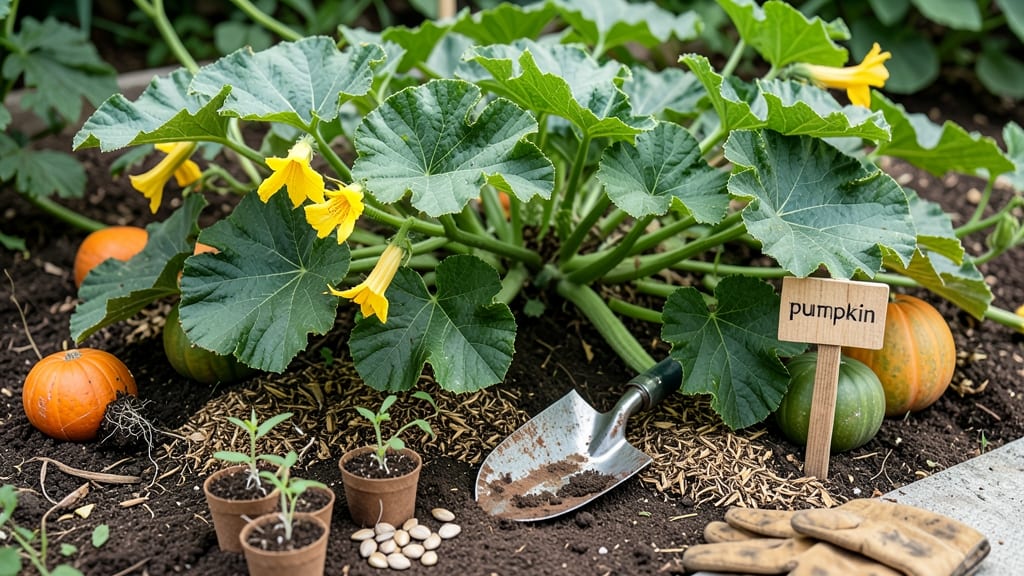
Planting pumpkins in Kentucky at the wrong time can mean the difference between a bumper crop of 🎃 and a disappointing harvest. With the state’s 6a-7a climate, getting the timing right—especially between mid-April and mid-June—is key to avoiding frost damage or stunted growth.
Most gardeners assume you can just toss seeds into the ground when the weather warms up, but soil temperature plays a critical role. Pumpkin seeds need at least 60°F soil to germinate properly, and Kentucky’s unpredictable spring weather can throw off even the best-laid plans.
In this guide, I’ll break down the exact planting windows for your region, including when to start seeds indoors (if at all) and how to adjust for early or late varieties.
You’ll also learn how to prep your soil, space your plants for maximum yield, and extend your growing season for bigger harvests.
Whether you’re a first-time gardener or a seasoned pro, these Kentucky-specific tips will help you grow pumpkins that thrive—so you can enjoy fresh harvests from late September to October without the guesswork.
Kentucky’s ideal pumpkin planting dates based on frost-free zones
Kentucky spans USDA Hardiness Zones 5b to 7a, giving gardeners a 100-120 day growing season perfect for pumpkins. The key to success? Planting when soil reaches 75°F and after the last frost—typically between mid-April and mid-June. This window ensures strong germination and avoids frost damage to young vines.
Pumpkins thrive in Kentucky’s climate, but timing varies by zone. Northern regions (Zone 5b) have shorter seasons, while southern areas (Zone 7a) can stretch harvests later. Use your last average frost date as your starting point, then add 2-4 weeks for soil warming.
🌱 Pro Tip: Check soil temperature with a soil thermometer—pumpkin seeds need 75°F+ to sprout reliably. Morning sunlight warms soil faster, so plant on clear days.
| Zone & City | Avg Last Frost | Ideal Planting Window | Soil Temp Rule | Harvest Window |
|---|---|---|---|---|
| Zone 5b (Paducah) | April 15 | May 1–May 15 | 75°F+ (wait 2-3 weeks) | Late Sept–Oct 5 |
| Zone 6a (Lexington) | April 5 | April 25–May 10 | 75°F+ (wait 1-2 weeks) | Sept 20–Oct 10 |
| Zone 6b (Louisville) | March 30 | April 15–April 30 | 75°F+ (wait 1 week) | Sept 25–Oct 15 |
| Zone 7a (Bowling Green) | March 15 | April 1–April 20 | 75°F+ (immediate) | Oct 1–Oct 20 |
For early varieties like ‘Jack Be Little’ (75-day maturity), plant as soon as soil hits 75°F—even if frost risk lingers. For late varieties like ‘Howden’ (110-day maturity), wait until mid-May to ensure full ripening before frost.
Kentucky’s humidity and summer heat accelerate growth, so monitor vines for powdery mildew if planting early. Space hills 4-6 feet apart to improve airflow and reduce disease risk.
In Zone 5b, consider black plastic mulch to warm soil faster—this can shave 10-14 days off your planting timeline. Remove mulch after harvest to prevent winter rot.
Adjust for microclimates: South-facing slopes warm earlier, while valleys hold frost longer. Use a frost calendar from your local Cooperative Extension Service for precise dates.
🎃 Key Takeaway: Kentucky gardeners should plant pumpkins when soil reaches 75°F and after the last frost—typically April 15–May 15—with adjustments for early/late varieties and local conditions.
Step-by-step pumpkin planting timeline for Kentucky gardeners
Timing your pumpkin planting in Kentucky means balancing soil warmth with frost risks. Most gardeners here aim for mid-April to mid-June, but your exact window depends on whether you start seeds indoors or sow directly.
Kentucky’s USDA zones 6a-7a offer a long growing season, but tender pumpkin seedlings need consistent 60°F+ soil to thrive. I’ll walk you through my proven timeline, including when to prep beds, transplant, and protect against pests like squash vine borers.
Before you plant, mark your calendar for April 15—this is Kentucky’s average last frost date, but microclimates (like Bowling Green’s warmer valleys) may push it to April 20-25.
For direct-sown seeds, wait until soil hits 60°F (test with a soil thermometer) and nighttime temps stay above 50°F. If you’re starting seeds indoors, begin 4-6 weeks before transplanting, typically in late March.
Test soil pH (aim for 6.0-6.8) and amend with compost. Kentucky’s clay-heavy soils benefit from sand or peat moss for drainage. Till to 12 inches deep to loosen roots.
Sow seeds 1 inch deep in biodegradable pots. Keep soil 70-80°F with a heat mat. Transplant outdoors after last frost (harden off for 1 week).
Plant 2-3 seeds per hill, 1 inch deep, spacing hills 4-6 feet apart. Thin to 1-2 strongest plants per hill. Use black plastic mulch to warm soil faster.
Transplant after soil reaches 60°F and seedlings have 2-3 true leaves. Bury stems halfway to encourage root growth. Water deeply immediately after transplanting.
Plant nasturtiums or marigolds nearby to repel pests. Use row covers early in season to deter squash vine borers. Apply neem oil if you spot eggs on stems.
Feed with 5-10-10 fertilizer when vines reach 3 feet long. Water deeply 2-3x per week, aiming for 1-2 inches of water per session. Avoid wetting leaves to prevent disease.
Kentucky’s humidity and heat can stress pumpkins, so mulch heavily with straw or grass clippings to retain moisture and regulate soil temps. If you’re growing large varieties (like ‘Howden’), trellis vines to save space—though pumpkins are heavy, so use sturdy supports.
I’ve had success with wire cages buried halfway into the soil.
Your harvest window in Kentucky typically runs from late September to October, but early varieties like ‘Jack Be Little’ may ripen as early as mid-August. Watch for hard rinds and dry stems—these are your cues to pick.
Store pumpkins in a cool, dry place (50-55°F) to extend shelf life for 2-3 months.