
Plants
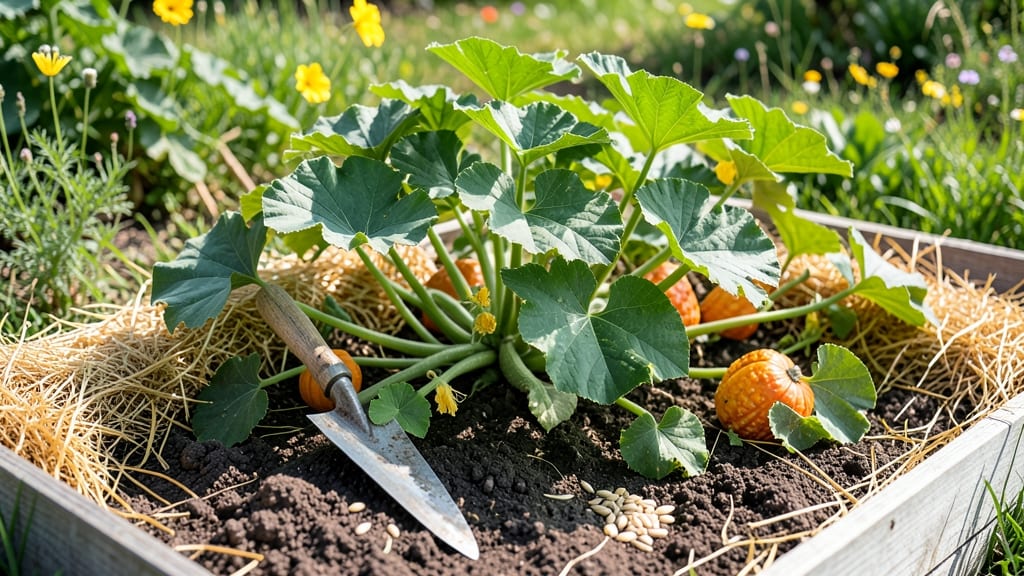
Planting pumpkins in Washington State at the right time can mean the difference between a bumper crop of 🎃 and a disappointing harvest.
With the state's varied microclimates—from the mild Puget Sound region to the high desert of Eastern Washington—getting the timing just right is key to avoiding frost damage and ensuring healthy vines.
Most gardeners in USDA Zones 7 and 8 should aim to plant pumpkin seeds after the last frost, typically between mid-April and early June. But here’s the catch: Western Washington’s coastal areas often warm up faster than Eastern Washington’s high-desert zones, where soil temperatures lag behind.
I’ll break down the exact planting windows for each region so you can align your schedule with your local climate.
Whether you’re a seasoned gardener or a first-timer, knowing when to plant isn’t just about dates—it’s about soil warmth, frost risks, and even the variety you choose.
I’ll share proven strategies to extend your growing season, from using row covers to selecting fast-maturing pumpkin varieties that thrive in Washington’s shorter frost-free windows.
By the end of this guide, you’ll have a clear, foolproof plan to plant your pumpkins at the perfect moment—so you can enjoy a harvest of vibrant, homegrown 🎃 come fall. Let’s get those seeds in the ground at the right time for maximum success!
Best planting dates for Washington State pumpkins by USDA Zone 7-8
Washington State’s USDA Zones 7 and 8 offer distinct growing conditions for pumpkins, with Eastern WA (Zone 7) facing earlier frosts than Western WA (Zone 8).
The key to success lies in planting after your last frost date—typically mid-April in Western WA and late May in Eastern WA—when soil temperatures hit 70°F (21°C). This ensures your pumpkin vines have 120-150 frost-free days to mature before winter sets in.
Direct sowing is the preferred method for pumpkins, as they hate transplanting and develop strong roots quickly. However, if you’re growing early-maturing varieties like ‘Howden’, starting seeds indoors 4-6 weeks before your last frost date can give you a head start.
For most varieties, though, sowing seeds directly in the garden after the last frost yields the best results.
Here’s a quick comparison of planting windows for Washington State’s two zones, including soil temperature requirements and ideal varieties for each region:
| Factor | USDA Zone 7 (Eastern WA) | USDA Zone 8 (Western WA) | Notes |
|---|---|---|---|
| Last Frost Date | Late May | Mid-April | Check WSU AgWeatherNet for local updates. |
| Ideal Planting Window | Late May–Early June | Mid-April–Late May | Plant after soil warms to 70°F. |
| Soil Temperature | 70–75°F (21–24°C) | 70–75°F (21–24°C) | Use a soil thermometer for accuracy. |
| Transplanting? | Avoid (stress-sensitive) | Avoid (stress-sensitive) | Direct sow for best results. |
| Early Varieties | ‘Howden’ (75 days) | ‘Jack Be Little’ (80 days) | Start seeds indoors 4 weeks early. |
| Mid Varieties | ‘Cinderella’ (90 days) | ‘Sugar Pie’ (85 days) | Plant directly after last frost. |
| Late Varieties | ‘Atlantic Giant’ (120+ days) | ‘Mammoth Melon’ (110 days) | Use row covers for early protection. |
| First Frost Risk | Early October | Late October | Harvest before frost or use cold frames. |
For
How to adjust pumpkin planting for Washington’s microclimates and frost risks
Washington’s diverse climate means your pumpkin planting strategy should shift dramatically depending on where you live. In the Puget Sound region, like Seattle, milder coastal air lets you plant pumpkins as early as late March—but in Yakima’s high desert, wait until mid-May to avoid frost.
These differences aren’t just about dates; they’re about soil warmth, frost risks, and even how quickly your seeds germinate. I’ll show you how to adapt your approach for each microclimate to ensure your pumpkin vines thrive.
One of the biggest challenges in Washington is the unpredictable frost that can sneak in, especially in high-elevation areas like Wenatchee or coastal valleys like Bellingham. A late frost in May can wipe out young seedlings, while an early frost in October can ruin your harvest.
The key is understanding your local frost patterns and using tools like the WSU Frost Watch or local weather alerts to time your planting perfectly. Let’s break down how to adjust your strategy for your specific corner of the state.
⚠️ callout warning ⚠️
🌡️ Frost Risks Aren’t Just About Dates—Soil Matters Too!
Planting pumpkins too early in cold soil (below 60°F) can stunt growth or cause rot. Use a soil thermometer to confirm soil temps are 70°F+ before planting. In Zone 7 (Eastern WA), this often means waiting until late May, while Zone 8 (Western WA) can start as early as mid-April. Pro tip: Black plastic mulch warms soil faster in cooler areas.
🔍 Check your local frost dates: WSU Frost Watch or National Weather Service alerts for your county.
For coastal gardeners in Seattle or Olympia, the ocean’s moderating effect means you can plant 2-3 weeks earlier than inland areas. Start seeds indoors in late February or direct-sow by mid-April, focusing on fast-maturing varieties like ‘Howden’ (75 days) to beat potential early frosts.
In contrast, high-desert regions like Yakima or Moses Lake have colder nights and hotter days, so prioritize shade cloth during summer and row covers in spring. These areas benefit from late May planting to avoid frost damage.
Urban gardeners in Spokane or Tacoma face unique challenges, like limited space and microclimates created by buildings or pavement. If your garden is in a heat sink (like a concrete patio), soil warms faster—perfect for early planting.
But if you’re in a shady pocket, delay planting until soil temps are ideal. Use reflective mulch or light-colored containers to keep roots cool in hot urban microclimates. For small spaces, choose bush varieties like ‘Jack Be Little’ to save room while still getting a harvest.
If you’re worried about frost cutting your season short, row covers are your best friend. Lightweight fabric like Reemay can raise soil temps by 5-8°F and protect young plants until they’re established.
For a backup planting, sow a second batch in early June—even if it’s late, you might still get small pumpkins before frost. Pair this with drip irrigation to keep soil moist, which helps vines grow faster and mature before the first frost hits in October.
Finally, don’t overlook the power of variety selection to match your microclimate. In short-season areas (like Zone 7), opt for ‘Cinderella’ pumpkins (80 days), which resist disease and mature quickly.
In longer-season zones (like Zone 8), you can grow giant varieties like ‘Atlantic Giant’ if you plant by mid-April and use season extenders. By aligning your choices with your local climate, you’ll maximize your chances of a bountiful, frost-free harvest—no matter where in Washington you garden. 🎃