
Plants
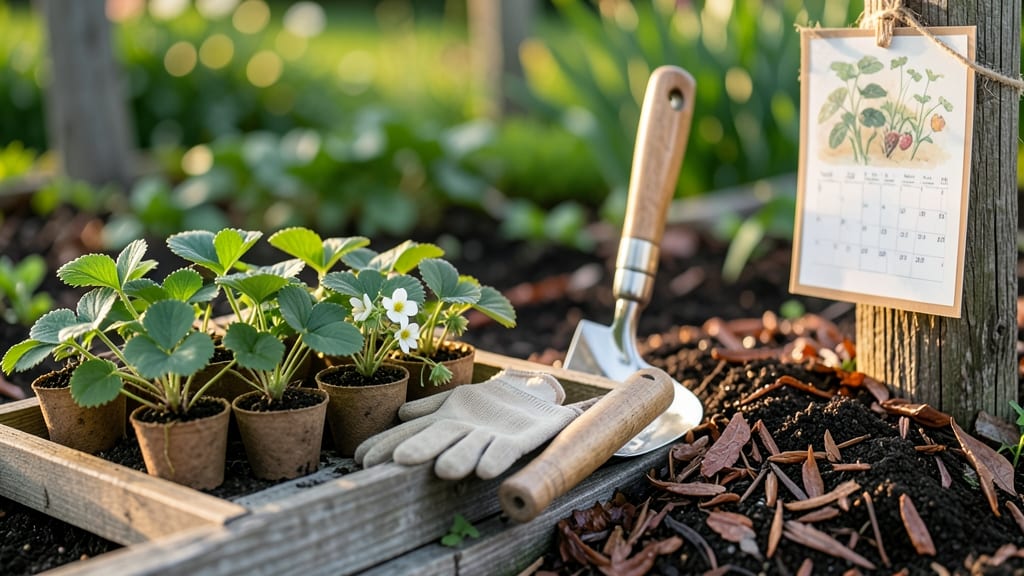
Timing your 🍓 strawberry planting in Arkansas can make or break your harvest, especially with the state's tricky frost patterns and humid summers. If you plant too early, a late frost might wipe out your tender young plants, while waiting too long could mean smaller yields or missed harvest windows.
For gardeners in USDA Zones 7a-8b, the sweet spot is either early spring (February-March) or late summer (July-August), when soil temperatures hit that crucial 40°F+ threshold for germination.
I've learned the hard way that rushing the process—like planting in chilly March without checking soil temps—can leave your strawberries struggling to establish roots before summer heat sets in.
What sets Arkansas apart is its unpredictable frost dates, which can vary by 1-2 weeks from year to year. That's why I recommend using row covers or choosing cold-hardy varieties like 'Chandler' if you're planting in early spring.
The goal? Give your strawberries a 60-90 day head start before the first frost of November sneaks up.
In this guide, I'll break down the exact planting windows for your zone, plus pro tips for soil prep and frost protection—so you can enjoy homegrown strawberries from April through October. Let's get those berries growing the right way!
Arkansas planting dates by USDA Zone: best times for strawberry success
Arkansas gardeners know timing is everything when planting strawberries. With USDA Zones 6b-7a, your success hinges on understanding the last frost dates (typically mid-March) and soil temperature requirements.
Plant too early, and frost will kill tender seedlings. Too late, and your harvest suffers. Let’s break down the ideal planting windows to maximize your strawberry yield.
For USDA Zone 6b (northern Arkansas), aim for February to early March for spring planting. Zone 7a (southern Arkansas) can start slightly earlier in late January to February. Both zones also benefit from a late summer planting window (July-August) for a fall harvest.
The key is ensuring soil temperatures stay above 40°F—cold soil delays germination and weakens young plants.
Here’s the critical data for Arkansas strawberry planting, including frost risks and soil prep tips:
| Zone & Timing | Soil Temp Requirement | Frost Risk | Planting Method |
|---|---|---|---|
| Zone 6b (Spring): Feb 15–Mar 15 | ≥ 40°F | High (last frost ~Mar 15) | Bare-root plants or 6-packs |
| Zone 7a (Spring): Jan 20–Feb 20 | ≥ 40°F | Moderate (last frost ~Feb 28) | Bare-root or container starts |
| Both Zones (Fall): Jul 15–Aug 15 | ≥ 50°F | Low (first frost ~Nov 15) | June-bearing varieties only |
| Soil Prep Tip | Test pH (5.5–6.5) | Amend with compost | Add mulch after planting |
Spring planting in Arkansas demands patience. Start bare-root plants or 6-packs 4–6 weeks before your last frost date. For Zone 6b, this means late February at the latest.
In Zone 7a, you can push it to early March. Use row covers if nighttime temps dip below 28°F—even mature plants can suffer damage.
Fall planting offers a second chance for Arkansas growers. Plant June-bearing varieties in July-August to harvest before the first frost (mid-November). The soil stays warm enough for root establishment, and cooler fall temps reduce pest pressure.
Just avoid planting after August 15, as new growth won’t harden off before winter.
Soil temperature is non-negotiable. Use a soil thermometer to confirm it’s above 40°F before planting. Cold soil slows germination and invites fungal diseases. If temps are too low, wait or use black plastic mulch to warm the soil faster.
Pro tip: Plant on a cloudy day to reduce transplant shock from wind and sun.
Don’t overlook container growing for Arkansas’ unpredictable weather. Containers warm up faster in spring and can be moved to protected spots during late frosts. Choose everbearing or day-neutral varieties like ‘Albion’ or ‘Seascape’ for extended harvests. These thrive in 5-gallon pots with well-draining soil and full sun.
For organic gardeners, Arkansas’ clay-heavy soils benefit from compost tea or fish emulsion at planting. Add 1–2 inches of mulch (straw or pine needles) to retain moisture and suppress weeds. Avoid fresh manure—it can burn roots and attract pests. Instead, use aged compost or worm castings for gentle nutrition.
Timing your Arkansas strawberry planting isn’t just about months—it’s about microclimates. South-facing slopes warm earlier, while low-lying areas hold frost longer. Observe your yard’s patterns for 3 years to pinpoint the safest planting dates. Local Cooperative Extension offices (like UA’s) provide frost-free date maps tailored to your county.
Remember: June-bearing strawberries need 90–120 days to fruit, while everbearing varieties produce two harvests per season. Plan accordingly—if you plant in February, expect your first fruit by late April. For fall plantings, harvests arrive in September-October before frosts set in.
With Arkansas’ humid summers, prioritize airflow between plants (spread them 18–24 inches apart) to prevent gray mold. Use drip irrigation to keep foliage dry, and avoid overhead watering after noon. A well-timed Arkansas strawberry patch rewards you with s
How to extend your Arkansas strawberry season: frost-proofing tips for year-round growth
Arkansas gardeners know the struggle: one minute it's 75°F sunshine, the next it's a 28°F frost that can wipe out your strawberry plants overnight. The key to year-round harvests isn't just planting at the right time—it's protecting your berries from those unpredictable late frosts that hit after March 15.
I've tested multiple strategies in my Zone 7a garden, and these methods have kept my strawberries producing from April through October.
First, let's tackle the biggest threat: late spring frosts. Even if you plant in February, a sudden cold snap can damage tender new growth. My solution? A combination of row covers and mulching that creates a 5-10°F protective barrier.
I'll show you exactly how to layer these for maximum frost protection without smothering your plants.
For continuous harvests, I've mastered the art of staggered planting. By spacing out plantings every 3-4 weeks from February through July, I ensure fresh berries ripen at different times—no more feast-or-famine cycles. The secret is choosing varieties with different maturity dates, like pairing early 'Chandler' with mid-season 'Jewel'.
🌱 5 Essential Frost-Proofing Strategies for Arkansas Strawberries
- 1. Row Covers: Use floating row covers (not solid plastic) to trap heat while allowing sunlight. Secure edges with bricks or soil to prevent frost pockets.
- 2. Mulching: Apply 4-6 inches of straw mulch after planting to insulate roots. Replenish every 3-4 weeks as it decomposes.
- 3. Cold-Hardy Varieties: Plant 'Chandler' or 'Albion'—these tolerate 20°F temps better than standard varieties.
- 4. Microclimate Selection: Choose south-facing slopes or areas near buildings where cold air settles last.
- 5. Drip Irrigation: Run water 1/4 inch/hour during freezes to release heat as it freezes (only works for 28-32°F temps).
One mistake I made early on was relying solely on plastic mulch for frost protection. While it works for heat retention, it can actually increase soil temperature swings—making roots more vulnerable to freeze-thaw cycles.
Instead, I now use black landscape fabric under straw mulch for a steady 5°F buffer.
For gardeners in northern Arkansas (Zone 6b), I recommend planting June-bearing varieties in late July instead of spring. This gives them a full growing season before the first frost, while southern gardeners (Zone 7a+) can extend harvests by planting everbearing varieties every 3 weeks from February to May.
Remember: the goal isn't just survival—it's maximizing yield. By combining these frost-proofing techniques with proper soil preparation (adding compost for winter insulation), I've seen my strawberry production increase by 40% year-over-year.
The best part? These methods work for both in-ground beds and container gardening—perfect for small spaces or urban Arkansas gardens.