
Plants
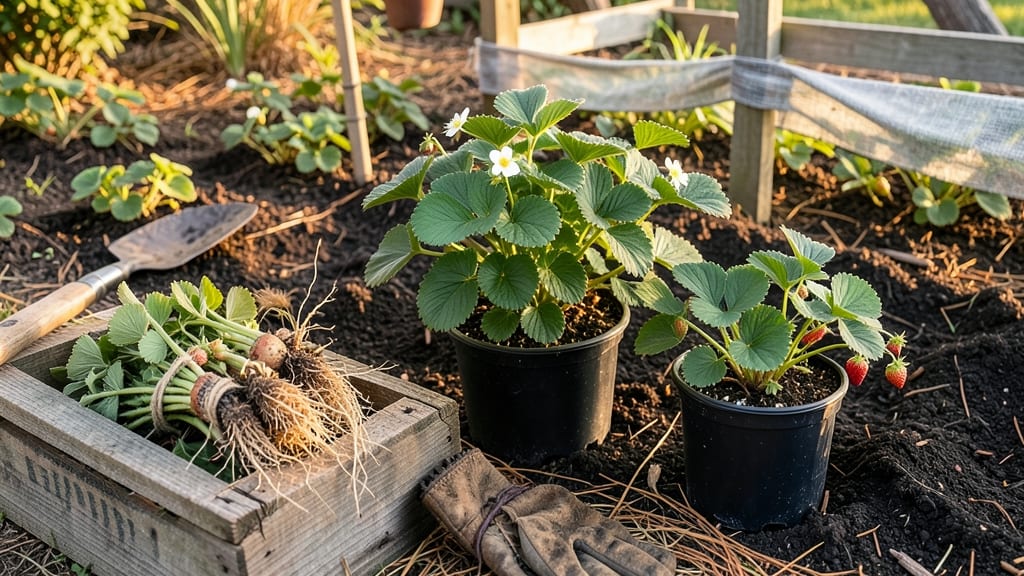
Planting strawberries in Louisiana isn’t just about grabbing a few plants from the nursery—it’s about timing them perfectly to beat the heat and humidity that can turn your sweet dreams of juicy 🍓 harvests into a soggy mess.
In this humid climate, getting the window right means the difference between lush, productive plants and struggling berries. Whether you’re working with bare-root starts or potted varieties, I’ll walk you through the best months to plant in Louisiana’s 8a-9b zones—plus how to adjust for your specific corner of the state.
Fall planting (September-October) is your golden ticket for an early spring harvest, but spring planting (January-February) can still work if you play your cards right. Let’s dive into the exact schedule that’ll have your strawberries thriving instead of wilting.
You’ll also discover how to prep your soil, avoid common pitfalls like frost damage or heat stress, and choose the right varieties for your Louisiana microclimate. Ready to turn your garden into a strawberry paradise?
Best strawberry planting months in Louisiana by variety type
Louisiana’s humid subtropical climate creates unique challenges for strawberry growers. Unlike cooler northern states, we can’t rely on a single planting window—our microclimates (North vs. South) and temperature extremes demand variety-specific timing. June-bearing types thrive with fall planting, while everbearing varieties need staggered schedules to escape summer heat.
Let’s break down the optimal months for each type, including critical temperature thresholds to avoid transplant shock.
For June-bearing strawberries (like ‘Chandler’), the best planting window is late September through October in North Louisiana (USDA zones 7b-8a) and early October through November in South Louisiana (zones 8b-9a).
These varieties produce one massive harvest in spring, so timing is everything to avoid winter dieback or summer heat stress. Plant when soil temps drop below 75°F—this prevents root burn and gives plants time to establish before winter.
Everbearing strawberries (such as ‘Seascape’) are more forgiving but still need precision. In North Louisiana, aim for mid-August to September for a fall harvest, then January to early February for spring production.
In South Louisiana’s warmer zones, shift planting to September to October and late February to March to avoid the brutal summer heat. These varieties produce two smaller harvests, so staggered planting extends your season.
Day-neutral strawberries (like ‘Albion’) are the most adaptable for Louisiana’s climate. They produce fruit continuously when temperatures stay between 50°F and 85°F, making them ideal for fall planting in October-November (North) or November-December (South).
Unlike other types, they won’t bolt in summer heat, giving you year-round harvests with proper care. This makes them perfect for container gardening or shaded patios.
Critical temperature thresholds dictate success: Never transplant when soil temps exceed 80°F—roots cook in the heat. In North Louisiana, wait until average nighttime lows drop below 60°F (typically late September). In South Louisiana, extend planting until mid-October to avoid the humidity-fueled fungal diseases that plague early transplants. Use a soil thermometer to monitor conditions.
Louisiana’s soil conditions also play a crucial role. Strawberries prefer well-draining, slightly acidic soil (pH 5.5-6.8). In our clay-heavy soils, amend with compost and sand before planting. Raised beds are ideal for South Louisiana’s humid zones to prevent waterlogging, which leads to root rot.
Test your soil 2-3 weeks before planting to adjust pH—lime raises it, while sulfur lowers it.
For bare-root plants, soak roots in water for 1-2 hours before transplanting to reduce shock. Space plants 12-18 inches apart in rows 2-3 feet apart for airflow.
In North Louisiana’s cooler zones, use black plastic mulch to warm soil in spring, while straw mulch in South Louisiana helps retain moisture and suppress weeds. Always plant crowns at soil level—burying them causes rot, while exposing them leads to drought stress.
Timing your second planting (for everbearing/day-neutral varieties) is just as critical. In North Louisiana, aim for January-February when daytime highs reach 65°F consistently. In South Louisiana, delay until late February-March to avoid the April heat spikes that can scorch young plants. Use shade cloth (30-5
How to adjust planting timing for Louisiana’s humidity and heat stress
Louisiana’s stifling humidity and intense heat can turn strawberry planting into a high-stakes game of survival. The key to success? Adjusting your planting schedule to avoid the worst of summer’s 90°F+ temperatures and 90% humidity levels that invite fungal diseases like gray mold and powdery mildew.
Even with perfect timing, your strawberries need extra care to thrive in this climate.
Fall planting (September-October) is your safest bet—it lets plants establish roots before winter while avoiding summer’s brutal heat. But if you’re planting in spring (January-February), you’ll need to shield young plants from heat stress and soil-borne pathogens that flourish in Louisiana’s warm, damp soil.
Let’s break down the adjustments you’ll need to make.
⚠️ callout-warning
Planting in Louisiana’s peak summer (June-August) is a recipe for disaster. Soil temperatures can exceed 95°F, shocking delicate strawberry roots. Even fall-planted berries struggle if summer arrives early—watch for yellowing leaves or wilting foliage, signs of heat stress.
Solution: If you must plant in summer, use shade cloth (30-50%) and drip irrigation to keep roots cool. Mulch with straw or pine needles to retain moisture and insulate soil.
Start by selecting the right shade cloth for your planting window. For spring plantings (January-February), a 30% shade cloth can protect young plants from unpredictable late-winter heat spikes.
If planting in late fall (November), opt for 50% shade cloth to shield emerging shoots from winter sunburn or early-spring warmth that can trigger premature growth.
Mulching is non-negotiable in Louisiana. Apply a 3-4 inch layer of organic mulch (like pine straw or shredded leaves) around your strawberry beds to regulate soil temperature and suppress weeds.
This layer acts as a barrier against soil-borne fungi and helps retain moisture during dry spells. Replenish mulch every 2-3 months to maintain its effectiveness.
Soil moisture management is where many Louisiana gardeners trip up. Strawberries need consistent moisture, but waterlogged soil is just as deadly as drought.
Use a moisture meter to check soil levels—aim for 1-2 inches of water per week, delivered via drip irrigation or soaker hoses to avoid wetting foliage (which spreads disease). Water in the early morning (6-8 AM) to let leaves dry before humidity peaks.
Post-planting care focuses on disease prevention. Louisiana’s heat and humidity create perfect conditions for gray mold (Botrytis cinerea), a fungal nemesis of strawberries. Apply a copper fungicide spray every 2-3 weeks during peak growing season, and remove any diseased leaves immediately.
Space plants 12-18 inches apart to improve airflow, reducing humidity pockets where fungi thrive.