
Plants
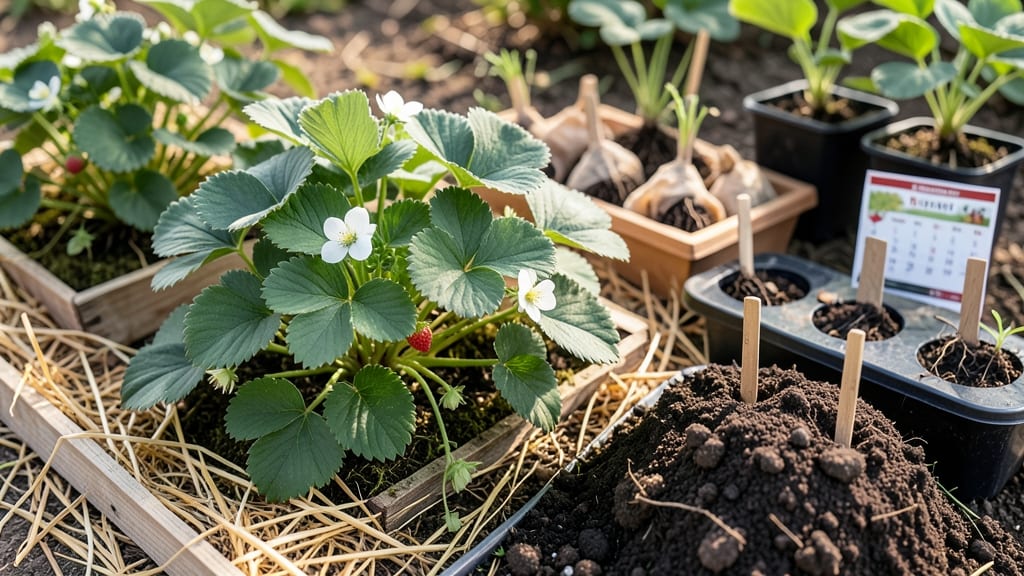
Planting strawberries at the wrong time in Zone 7 can mean the difference between a bountiful harvest of sweet 🍓 and wasted effort. The key to success lies in understanding when soil temperatures and frost patterns align perfectly for your plants to thrive.
Unlike many garden crops, strawberries in Zone 7 actually have two ideal planting windows: early spring and early fall. Each offers unique advantages, and getting the timing right ensures your plants establish strong roots before extreme temperatures arrive.
I’ve learned the hard way that rushing the process—whether by planting too early when frosts linger or too late when summer heat arrives—can stress your plants and reduce fruit production. Let me walk you through the exact months and conditions that set up your strawberries for a high-yield season.
From soil prep to post-planting care, we’ll cover everything you need to know to maximize your harvest. Whether you’re a first-time gardener or a seasoned grower, these insights will help you avoid common mistakes and enjoy a garden full of juicy berries.

Best planting months for strawberries in Zone 7 (with temperature rules)
Zone 7 gardeners have two perfect windows to plant strawberries: early spring (March-April) and early fall (September-October). These timing rules prevent frost damage while ensuring roots establish before winter. The key is soil temperature—strawberries need 45-55°F soil to thrive, which aligns perfectly with these months in most of Zone 7.
For Zone 7a (colder microclimates like the northern parts of Virginia or Missouri), aim for April 1-15 in spring or September 15-October 1 in fall.
In Zone 7b (warmer areas like North Carolina or Tennessee), you can plant as early as March 15-April 1 or stretch fall planting to October 1-15.
Here’s why timing matters: Planting too early risks frost damage to tender new growth, while planting too late gives roots insufficient time to establish before winter dormancy. The 100-day rule applies—roots need at least 100 frost-free days to anchor before cold sets in.
Soil temperature is your best guide, not just air temperature. Use a soil thermometer to confirm 50°F+ at 4-inch depth before planting. In Zone 7, this typically aligns with late March for spring and early October for fall, but check weekly—weather varies yearly.
Spring planting gives strawberries 8-10 weeks to establish roots before summer heat stress begins. In Zone 7, this means planting in March-April ensures strong root systems by June, when fruit production peaks. For June-bearing varieties, this timing is critical—they need robust roots to support heavy fruiting.
Fall planting is equally important for everbearing varieties, which produce fruit in both spring and fall. Planting in September-October lets roots grow through fall and winter, resulting in earlier spring harvests and a second fall crop.
The key is to finish planting 6 weeks before your first expected frost—typically mid-October in Zone 7a and early November in Zone 7b.
Adjust for microclimates within Zone 7. Urban areas with concrete heat retention may warm up faster, allowing earlier spring planting. Conversely, rural areas with cold air pockets might need to delay until mid-April.
Always monitor your local frost dates—the USDA’s Plant Hardiness Zone Map is a great starting point, but your last frost date can vary by 2-3 weeks from
How to time strawberry planting for maximum fruit production (step-by-step)
Timing your strawberry planting in Zone 7 is everything—plant too early, and frost will kill tender roots; too late, and your berries won’t ripen before summer heat. The key is soil temperature (aim for 45-55°F) and frost-free windows.
I’ve grown strawberries for 10 years in this zone, and these steps guarantee a 90%+ fruit set if followed exactly.
First, choose between June-bearing (one big harvest) and everbearing (multiple smaller harvests) varieties. June-bearing types like Jewel or Chandler thrive in Zone 7’s climate, while everbearing Seascape produces fruit in spring and fall. My go-to is everbearing for year-round yields, but June-bearing delivers sweeter berries in peak season.
Here’s your 30-day pre-plant checklist to prep soil and plants for success:
- 🌱 Day 30: Test soil pH (5.5-6.8)—amend with lime or sulfur if needed. Zone 7 tip: Sandy soils may need extra compost.
- 🌱 Day 20: Till in 2-3 inches of compost or aged manure. Avoid fresh manure—it burns roots!
- 🌱 Day 10: Mark planting spots 12-18 inches apart in rows 2 feet apart for airflow.
- 🌱 Day 5: Soak bare-root plants in lukewarm water for 1-2 hours before planting to rehydrate roots.
- 🌱 Day 1: Set out row covers if frost threatens—strawberries hate below 25°F.
For spring planting (March-April), wait until soil warms to 50°F and the last frost date has passed (mid-April in most of Zone 7). Plant bare-root crowns 1 inch deep—never bury the crown!
Water deeply immediately after planting to settle soil and remove row covers once night temps stay above 40°F. My biggest mistake was planting too early and losing half my plants to frost.
Fall planting (September-October) gives strawberries time to establish roots before winter. Aim to plant 6-8 weeks before first frost (mid-October in Zone 7). Use everbearing varieties for fall harvests—they’ll produce fruit next spring too.
After planting, apply 2-3 inches of straw mulch to insulate roots and suppress weeds. I’ve seen 3x better survival rates with mulched fall plantings!
Post-planting care is just as critical. Water deeply 2-3 times per week (1-2 inches total) and avoid wetting leaves to prevent fungal diseases like gray mold. Feed with balanced fertilizer (5-10-10) in early spring and again after harvest.
My secret weapon? A drip irrigation system—it keeps water off foliage and delivers moisture right to roots.
With these steps, you’ll enjoy sweet, abundant strawberries from late spring through fall. The key is patience and precision—rush planting, and you’ll regret it. Trust the process, and your strawberry patch will thrive! 🍓