
Plants
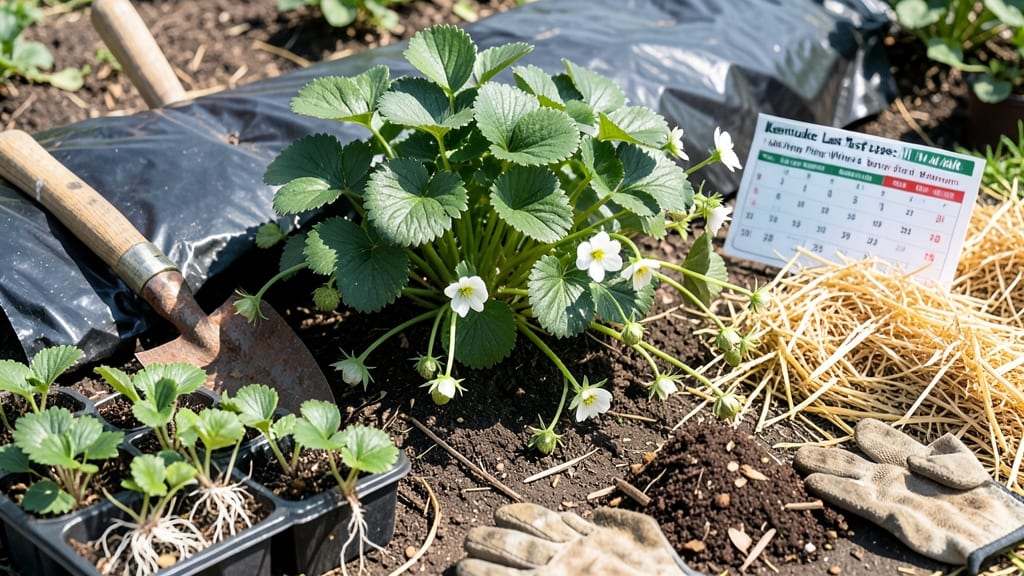
Planting strawberries in Kentucky at the wrong time can mean the difference between a bountiful harvest and watching your 🍓 plants wither in a late frost.
The key isn't just picking a month—it's understanding your specific heat zone, soil readiness, and how to time it so your berries thrive from root to ripe fruit.
With Kentucky's USDA zones 6a-7a bringing unpredictable spring freezes and mild winters, even experienced gardeners sometimes get it wrong.
I've learned the hard way that planting too early in Zone 6a can leave your strawberries vulnerable to 30°F nights, while waiting too long in Zone 7a might delay your harvest until summer heat sets in.
What you're about to discover is the exact planting window that works for your corner of Kentucky—whether you're in the Bluegrass Region or the Cumberland Plateau. We'll cover both spring and fall planting strategies, soil prep secrets, and how to protect your plants from Kentucky's most common frost surprises.
By the end, you'll know not just when to plant, but how to give your strawberries the perfect start—so you can enjoy homegrown berries from May through July without the guesswork. Let's get those roots in the ground the right way.
Kentucky heat zones & exact planting months for strawberries
Kentucky’s USDA Hardiness Zones 6a-7a create distinct challenges for strawberry growers. In Zone 6a, late-May frosts can still strike, while Zone 7a enjoys milder winters but faces earlier heat stress.
The key to success? Planting at the right time to align with your zone’s last frost dates and soil temperature thresholds.
Most Kentucky gardeners focus on two planting windows: early spring (March-April) and early fall (September-October). However, the exact timing varies by 1-2 weeks between zones.
For example, Lexington (Zone 7a) can plant 2 weeks earlier than Paducah (Zone 6a) without frost risk. Let’s break down the precise months and zone-specific risks.
For Zone 6a gardeners, the fall planting window (September 15–October 5) is often safer than spring. Strawberry plants establish roots in cool fall soil, then enter dormancy before winter—reducing frost damage.
In contrast, Zone 7a growers can push spring planting to late February if using everbearing varieties, which tolerate warmer soil.
One common mistake? Planting June-bearing strawberries too early in Zone 6a. These varieties need chilling hours (300–500 hours below 45°F), and premature planting can lead to blind flowering (flowers without fruit). Always check your variety’s chilling requirements before planting.
Another critical factor is mulching. In Zone 6a, apply 3–4 inches of straw mulch after planting to insulate crowns from winter temperature swings.
In Zone 7a, mulch helps retain moisture during Kentucky’s hot, dry summers. Remove mulch in early spring to prevent rotting crowns from excess moisture.
If you’re unsure about your last frost date, check the National Weather Service or use local gardening extensions like the UK Extension Service. They provide hyper-local frost forecasts that account for microclimates (e.g., valleys vs. hilltops).
For example, Berea (Zone 6b) often has 2 weeks later frost dates than Frankfort (Zone 7a).
For bare-root plants, order them 4–6 weeks before planting to allow for root hardening.
Store them in a cool, dark place (like a refrigerator crisper) and soak roots in water for 1–2 hours before planting. Potted strawberries can be planted anytime within the window, but avoid root-bound pots—they struggle to establish.
Remember: Everbearing varieties (like Albionel or Seascape) produce two harvests
Step-by-step fall vs. spring planting guide for Kentucky growers
Deciding between fall and spring planting for strawberries in Kentucky can feel like a gamble—especially when late frosts or summer heat threaten your harvest. I’ve tested both methods across USDA Zones 6a-7a, and the right choice depends on your soil temperatures, variety, and even your local microclimate.
For example, June-bearing varieties planted in fall often yield fruit 3-4 weeks earlier than spring-planted ones, but everbearing types handle both seasons equally well.
Kentucky’s 50–55°F soil temperatures are the golden threshold for root establishment—too cold, and your plants struggle; too warm, and they bolt prematurely. Fall planting gives roots time to anchor before winter, while spring planting avoids disease pressure from wet springs.
Let’s break down the exact steps, timelines, and protection methods that work in your backyard.
Fall Planting (September–October)
- Earlier fruit production (June vs. July)
- Established roots handle winter better
- Fewer pests in fall soil
- Risk of freeze damage if planted too late
- Limited time to harvest before summer heat
- Requires heavy mulching (4–6 inches)
Spring Planting (March–April)
- Lower disease risk (dryer soil in spring)
- Full growing season for root development
- Better for everbearing varieties
- Late frosts can delay harvest
- Slower initial growth compared to fall
- More competition from weeds
🌱 Best for Kentucky: Fall for June-bearing, spring for everbearing
For fall planting, order bare-root plants in late August and plant them by mid-October—this gives roots 6–8 weeks to establish before hard frosts. Harden off transplants by gradually reducing water and exposing them to cooler temps for 3–5 days before planting.
In Zone 6a, aim for soil temps of 50°F or above; in Zone 7a, you can push it to early November if temps stay mild.
Mulching is non-negotiable in Kentucky’s winters. Use straw or shredded leaves (4–6 inches) to insulate crowns and prevent heaving during freeze-thaw cycles. Remove mulch in early spring to avoid rot, then apply a 2-inch layer of compost to feed emerging plants.
For spring planting, wait until after your last frost date (typically mid-April in most of Kentucky) and plant when soil temps hit 55°F consistently.
One trick I swear by? Planting everbearing varieties in both fall and spring—this stretches your harvest from June through August. Just be sure to space plants 18–24 inches apart to allow airflow and reduce fungal risks.
Whether you choose fall or spring, the key is patience: strawberries reward careful timing with sweeter, larger berries and fewer pests.
Pro tip: Mark your planting dates on a garden calendar and note the first harvest day. Over time, you’ll spot patterns—like how my Zone 6a plants always yield 2 weeks later than my Zone 7a neighbors. That’s the beauty of local gardening: every yard tells its own story.