
Flowers
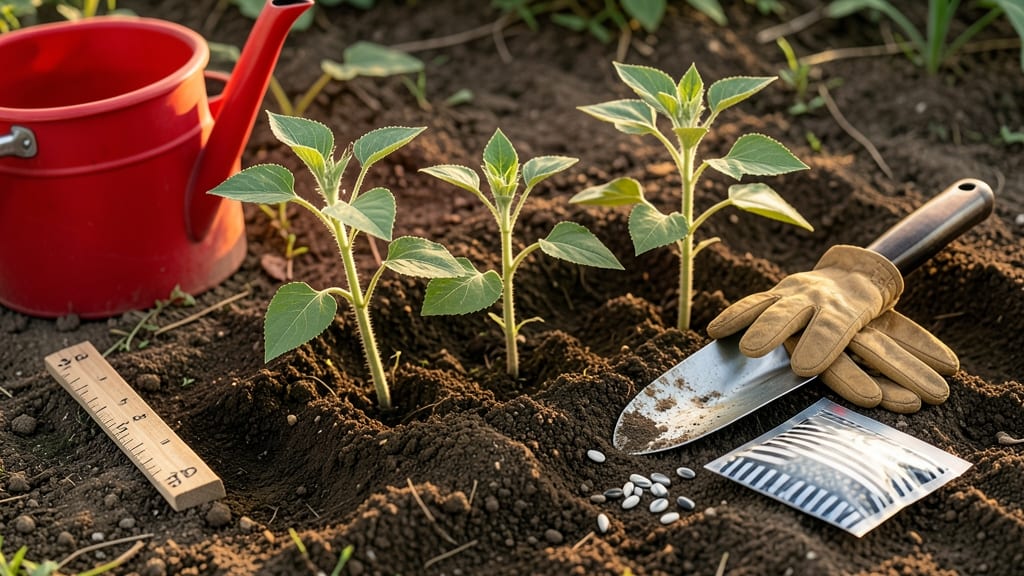
Planting sunflowers in Georgia at the wrong time means weak stems, fewer blooms, and missed harvests—so timing is everything for these towering beauties to thrive in your 7b-8b zone.
Whether you're in the Piedmont or coastal plains, getting the weeks right before your last frost date (around March 15) makes all the difference for strong, healthy plants.
I've learned that sunflowers 🌻 love Georgia's warm climate, but they need the right conditions to start strong. The ideal planting window runs from mid-March through early July, giving you plenty of time to enjoy those iconic blooms from late summer through fall.
Missing this window can leave your sunflowers struggling in the heat or frost.
What makes Georgia unique is how microclimates affect planting dates—northern regions may need to wait a few weeks longer than southern areas. I'll show you exactly how to adjust your schedule based on your specific location, plus soil prep tips to give your sunflowers the best possible start.
By the end, you'll know not just when to plant, but how to handle Georgia's unpredictable weather patterns. Let's make sure your sunflowers grow tall, strong, and ready for harvest—because nobody wants to miss that perfect August-October bloom time!
Georgia sunflower planting timeline: exact weeks before last frost for maximum growth
Sunflowers are one of Georgia’s most rewarding summer blooms, but their growth potential hinges on precise planting timing. The last frost date varies dramatically across Georgia’s three microclimates—coastal, Piedmont, and mountains—so I’ve broken down the exact weeks before frost you should plant for strong stems and abundant blooms.
In Georgia’s USDA Zones 7b-8b, soil temperatures and daylight hours create ideal conditions when you plant at the right moment.
For maximum growth, sunflowers need 60-120 days of warm weather after germination. This means planting too early risks frost damage, while planting too late cuts bloom time short.
My Georgia-specific schedule accounts for these variables, ensuring your sunflowers reach their full mature height (3-14 feet!) before Georgia’s first frost in mid-November. Let’s dive into the exact planting windows for each region.
🌱 Key Rule: Wait until soil temperatures consistently reach 55°F—this threshold triggers reliable germination. Use a soil thermometer to check, especially in Georgia’s cooler mountain regions where frosts linger longer.
Here’s your region-specific planting timeline, including the critical weeks before last frost and soil prep steps:
Notice how the mountain regions require a later planting window due to their cooler soils. In contrast, coastal Georgia’s mild winters allow for earlier plantings. For maximum height and bloom production, aim to plant 10-12 weeks before your region’s last frost.
This gives sunflowers enough time to develop strong stems before Georgia’s summer heat peaks.
Pro tip: Use black plastic mulch to warm mountain soils faster if you’re planting early. This technique can shave off 1-2 weeks of waiting time by raising soil temperatures by 5-10°F. I’ve used this method in my Dahlonega garden to extend the planting season successfully.
For dwarf varieties (like ‘Teddy Bear’), you can plant 2-4 weeks later since they mature faster (50-60 days). But for standard varieties (like ‘Mammoth’), stick to the full 10-12 week window to avoid leggy, weak stems. Georgia’s summer heat can accelerate growth, so monitor your plants closely.
After planting, maintain consistent moisture—sunflowers need 1-2 inches of water weekly during Georgia’s dry spells. Mulch around the base to retain moisture and prevent stem rot, a common issue in our humid summers.
With the right timing, your sunflowers will reward you with vibrant blooms and towering stems that dominate your garden landscape.
Ready to plant? Mark your calendar for your region’s ideal window and prepare your soil with compost-rich amendments. The key to Georgia sunflowers isn’t just when you plant—it’s how you time it
How to adjust sunflower planting dates for Georgia’s unpredictable weather patterns
Georgia’s unpredictable spring weather can turn a perfect sunflower season into a gamble. Late frosts in March or scorching heat by June often disrupt planting schedules, leaving gardeners scrambling.
The key? Flexible strategies that account for soil temperature, local frost risks, and drought conditions—all while maximizing your sunflower’s 60-120 day growth window.
I’ve learned the hard way that planting sunflowers too early risks frost damage to young sprouts, while waiting too long can lead to bolted plants that flower too late for a full harvest.
Georgia’s USDA zones 7b-8b offer a long growing season, but microclimates—especially in the mountains vs. coastal plains—demand tailored adjustments. Here’s how to adapt your schedule for success.
⚠️ callout warning ⚠️
Even after the average last frost (March 15), northern Georgia (e.g., Blue Ridge Mountains) can see frost until April 10. Use row covers or opt for succession planting every 2 weeks for staggered harvests. Coastal areas (e.g., Savannah) may plant 2-3 weeks earlier due to milder springs.
Pro Tip: Test soil temperature with a thermometer—sunflowers need 55°F+ to germinate. If below, use black plastic mulch to warm soil by 10-15°F in 1-2 weeks.
For soil warming, I swear by black plastic mulch or straw bales laid 1-2 weeks before planting. This raises soil temps by 10-15°F, helping seeds sprout faster and outpace late frosts.
In cooler Piedmont regions, start seeds indoors 4-6 weeks before the last frost, then transplant hardened-off seedlings after April 15. Use dwarf varieties like ‘Teddy Bear’ (3-4 ft tall) for earlier harvests—they mature in just 50-60 days.
Succession planting is my secret weapon against Georgia’s heatwaves. Instead of one big planting in April, I space out seeds every 2 weeks through early July. This ensures a continuous bloom from July to October, even if early plantings bolt from 90°F+ temperatures.
For late summer plantings, choose heat-tolerant varieties like ‘Autumn Beauty’, which thrives in high heat and produces multi-colored blooms.
Drought is another Georgia reality, especially in summer. To combat dry spells, I prioritize deep watering (1-2 inches per week) and mulching with straw. For extreme drought years, select drought-resistant varieties like ‘ProCut’, bred for high oil content and water efficiency.
If your soil is sandy (common in southwest Georgia), mix in compost to retain moisture and add organic matter.
Finally, monitor your local Almanac frost dates and adjust by 1-2 weeks based on recent trends. In 2023, Atlanta saw frost as late as April 22, so I pushed my first planting to April 15 that year.
Keep a gardening journal to track your success—and don’t hesitate to cover young plants with frost cloth if nighttime temps dip below 32°F.
With these adjustments, you’ll turn Georgia’s unpredictable weather into an advantage—producing taller stems, bigger blooms, and longer harvests than ever before. 🌻