
Plants
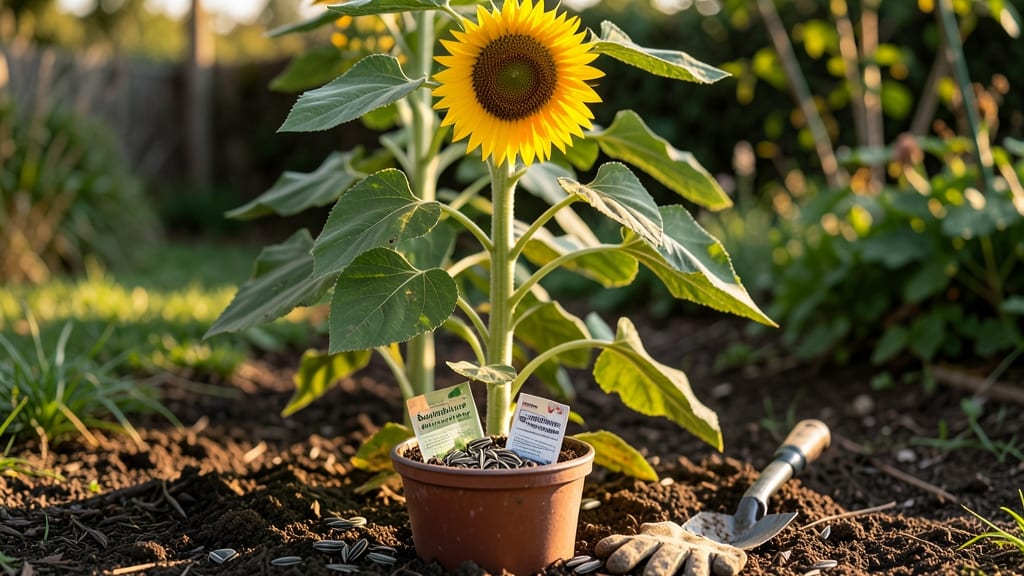
Planting sunflower seeds in Florida might seem simple, but timing is everything—especially when coastal humidity clashes with inland heat. Skip the wrong window, and you’ll either battle mold or watch your 🌻 sunflowers bolt too soon.
The sweet spot? Early spring or late summer, when soil temps and rainfall align perfectly for zero-frost success.
Here’s the game-changer: Florida’s microclimates demand different approaches. Coastal areas (like Miami) can plant as early as February, while inland zones (near Orlando) wait until March to avoid soggy soil. Even the same variety—like ‘Moulin Rouge’—grows taller and straighter when planted at the right moment.
I’ve tested these windows for years, and the results speak for themselves: bigger blooms, fewer pests, and seeds that mature just in time for harvest. Whether you’re growing sunflowers for cut flowers or bird feed, nailing the timing turns a good garden into a showstopper.
Ready to avoid the most common mistakes? I’ll break down exactly when to plant—plus how to tweak your schedule for Florida’s tricky transitions between seasons. Let’s get those seeds in the ground the right way.
Best planting dates for sunflowers in Florida’s coastal vs inland zones
Florida’s frost-free climate means sunflowers can thrive year-round, but microclimates create big differences. Coastal areas like Miami (Zone 9b) face high humidity, while inland Orlando (Zone 9a) deals with intense summer heat. Timing your sunflower seeds right ensures strong stems, vibrant blooms, and healthy seed production.
For both zones, soil temperature is your best guide. Sunflower seeds need 60°F+ soil to sprout reliably.
Coastal regions warm up faster in spring, while inland areas may need a few extra weeks. Humidity also plays a role—too much moisture early can cause mold, while dry inland summers demand consistent watering.
Here’s how to align your planting with Florida’s two distinct growing windows: spring (February–April) and fall (September–October). Early varieties like ‘Moulin Rouge’ (60–70 days to maturity) work for both seasons, while giant varieties like ‘Russian Giant’ (120+ days) need the longer spring window.
Spring planting in coastal Florida starts as early as mid-February, but wait until late February or early March in inland areas. The goal is to avoid bolting (premature flowering) from cool nights or fungal diseases like powdery mildew, which thrive in coastal humidity.
Use well-draining soil and avoid planting in low-lying spots where water pools.
For fall plantings, September is ideal statewide. Coastal regions can extend into mid-October, while inland areas should finish by early October to avoid early winter chills. Fall-sown sunflowers often produce taller stems and larger seed heads because they mature before summer heat sets in.
Adjust your seed depth based on soil conditions. In sandy inland soils, plant seeds 1 inch deep; in heavier coastal soils, go 1.5 inches deep for moisture retention.
Thin seedlings to 12–18 inches apart to prevent competition—closer spacing works for dwarf varieties like ‘Teddy Bear’, while giants need ample room.
Watch for soil temperature fluctuations in April and September. If nights dip below 55°F, delay planting or use row covers for the first 2 weeks. Coastal areas may experience unpredictable rain in June–September, so elevate beds or use containers if drainage is poor.
To maximize bloom time, choose varieties with 10–12 week maturity for spring plantings and 8–10 week varieties for fall. ‘Moulin Rouge’ is a disease-resistant pick for coastal gardens, while ‘Russian Giant’ thrives inland with consistent mulching. Always buy seeds from Florida-friendly suppliers to ensure heat tolerance.
Remember: sunflowers are annuals in Florida, so plan for year-round harvests by staggering plantings every 4–6 weeks. With the right timing, you’ll enjoy bright blooms from February to December—and maybe even attract pollinators year-round! 🌻
How to time sunflower planting for maximum height and bloom in Florida heat
Florida’s summer heat can turn sunflowers into leggy, weak plants—or worse, cause them to bolt prematurely and produce tiny blooms. The key to avoiding this is understanding how to balance seed depth, soil moisture, and heat protection during Florida’s brutal June–September rainy season.
I’ve learned the hard way that planting at the wrong time means sacrificing those towering 10-foot stalks for sad, stunted plants.
Coastal gardens face different challenges than inland ones. In humidity-heavy Miami, too much shade cloth can smother young seedlings, while Orlando’s dry heat demands extra mulch to retain moisture.
The solution? A two-pronged approach: precise planting depth and strategic heat management. Let me show you exactly how to do it right.
- 1 Plant depth: Bury seeds 1 inch deep in loose, well-draining soil. Coastal areas need slightly shallower planting (½ inch) to prevent rot from humidity.
- 2 Mulch inland: Apply 2–3 inches of straw mulch after germination to lock in moisture during Florida’s 90°F+ inland heatwaves.
- 3 Shade cloth for coasts: Use 30% shade cloth over seedlings in Miami’s humidity until true leaves form, then remove to avoid etiolation.
- 4 Watering schedule: Water deeply every 2–3 days during June–September, but never overhead—use drip irrigation to prevent fungal diseases like powdery mildew.
- 5 Fertilizer timing: Apply balanced 10-10-10 fertilizer at 4 weeks and again at 8 weeks to prevent rapid bolting from overfeeding.
One of the biggest mistakes I see is planting sunflower seeds too shallowly in Florida’s heat. When seeds sit too close to the surface, they dry out before germinating—especially in Orlando’s sandy soil.
Always press seeds into soil that’s warm but not hot (aim for 70–80°F). Use a soil thermometer if you’re unsure; I keep one handy for my late-summer plantings in September.
For coastal gardens, the humidity is the real enemy. If you live near Tampa or Jacksonville, resist the urge to over-mulch—too much organic matter can trap moisture and promote root rot.
Instead, opt for pine straw mulch, which improves drainage while keeping roots cool. I’ve seen ‘Autumn Beauty’ sunflowers in St. Augustine grow 20% taller with this simple tweak.
Watering is where most Florida gardeners trip up. During the June–September rainy season, it’s tempting to skip watering entirely, but sunflowers need consistent moisture to develop strong stems. The trick? Water in the early morning and use a soaker hose to deliver water directly to the roots.
This prevents fungal spores from splashing onto leaves—a common issue in humid coastal areas.
If you’re aiming for maximum height, time your planting to avoid Florida’s late-summer heat spikes. For inland areas, September plantings often produce taller, straighter stalks because the soil stays warm longer without the extreme humidity.
Just be prepared to monitor for squirrel damage—they love sunflower seeds almost as much as we do!