
Flowers
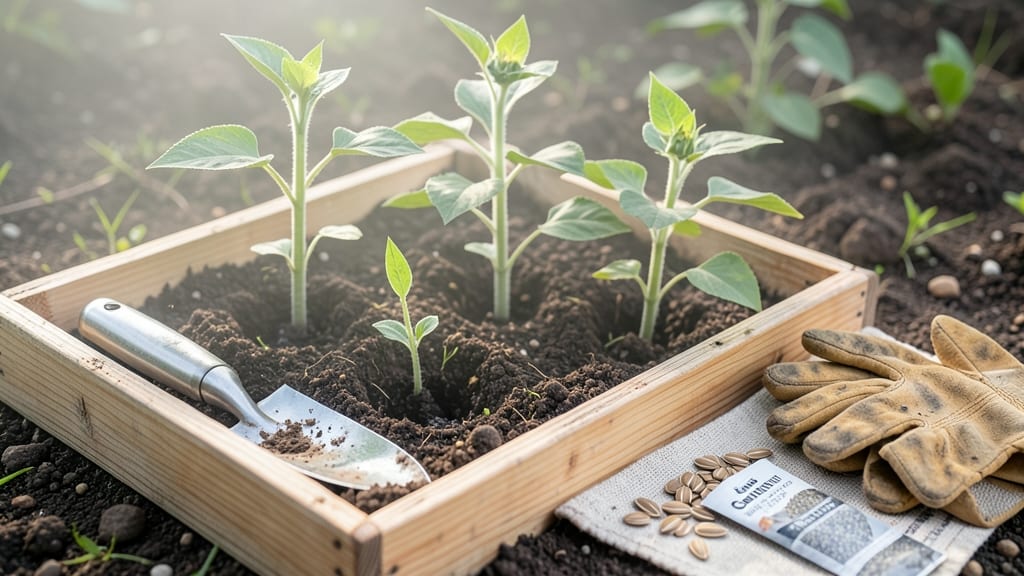
Planting sunflowers in Ohio isn’t just about sticking seeds in the dirt—it’s about timing them perfectly to unlock those towering, sun-drenched blooms you’ve been dreaming of. The exact window between mid-April and early June makes all the difference, especially when you’re balancing Ohio’s unpredictable spring frosts and summer heat.
I’ve learned the hard way that planting too early risks frost damage, while waiting too long means your 🌻 might bolt before reaching its full potential.
Whether you’re in colder northern zones like Toledo or warmer southern areas near Cincinnati, knowing the last frost date and soil temperature is the key to success.
Here’s what I’ll cover: the precise planting schedule for Ohio’s two main zones, whether to start seeds indoors or sow directly, and the best sunflower varieties that thrive in our climate.
Let’s make sure your sunflowers grow tall, strong, and ready to brighten up your garden from late July through September.
You’ll also discover how to avoid common mistakes that stunt growth and how to extend your planting season with simple tricks. Ready to grow sunflowers that turn heads—and maybe even outshine your neighbors’? Let’s get started.
Ohio sunflower planting dates by hardiness Zone (5a vs 5b)
Ohio’s two hardiness zones—5a (northern areas like Toledo) and 5b (warmer southern regions like Cincinnati)—create distinct planting windows for sunflowers. Zone 5a has 10-14 days later frost dates than Zone 5b, meaning your timing must adjust to avoid frost damage or stunted growth.
The key? Planting after soil reaches 50°F (10°C) and using your last frost date as a guide.
Sunflowers thrive in Ohio’s long summer days, but they need warmth to germinate. Direct sowing is the best method—sunflower seeds don’t transplant well. Start seeds 1 inch deep in loose, well-draining soil with compost mixed in to boost early growth.
For giant varieties, aim for 60-90 days to maturity, while dwarf types mature in 50-60 days.
Here’s how to align your planting with Ohio’s zones, including frost-free dates and soil temperature tips to maximize your sunflowers’ height and bloom size.
| Factor | Zone 5a (Toledo, Cleveland) | Zone 5b (Cincinnati, Columbus) |
|---|---|---|
| Last Frost Date | Mid-to-late May (May 15-31) | Early May (May 1-15) |
| Ideal Planting Window | May 1-15 (after soil warms to 50°F) | April 15-May 1 (soil at 50°F) |
| Soil Temperature for Germination | 50-55°F (10-13°C) | 50-55°F (10-13°C) |
| Latest Safe Planting Date | June 1 (for dwarf varieties) | June 10 (for dwarf varieties) |
| Frost Risk After Planting | High until May 31 | Low after May 15 |
| Best Varieties for Zone | 'Autumn Beauty' (tall, late bloom) | 'Moulin Rouge' (dwarf, early bloom) |
| Microclimate Tip | Use black plastic mulch to warm soil 2-3 weeks earlier | Plant near south-facing fences for extra warmth |
🌱 Pro Tip: Test soil temperature with a seedling heat mat if planting early in Zone 5a.
In Zone 5a, where frosts linger longer, I recommend waiting until mid-May to plant sunflowers. Use row covers or plant near heat-retaining structures like brick walls to create a microclimate.
For giant sunflowers, this delay ensures they have enough time to reach their 10-14 foot potential before Ohio’s first frost in mid-October.
Zone 5b gardeners have a 2-week advantage. You can start seeds as early as mid-April in containers indoors or under grow lights, then transplant outdoors after the last frost.
This head start lets you grow two successive plantings: one in April and another in early June for fall-blooming sunflowers.
Soil temperature is non-negotiable for sunflower germination. Use a soil thermometer to confirm it’s at least 50°F (10°C) before planting. Cold soil slows germination and makes seedlings prone to rot.
In Zone 5a, I’ve seen seeds take 14-21 days to sprout when planted in 45°F (7°C) soil—double the usual time!
For container growing, adjust your timing by 1-2 weeks earlier since pots warm up faster. Fill containers with lightweight potting mix and place them in full sun spots. Dwarf varieties like 'Teddy Bear' (1-3 feet tall) are perfect for containers and can handle Zone 5a
How to extend your sunflower season in Ohio (direct sowing vs starts)
Ohio’s short growing season doesn’t mean you have to miss out on sunflowers that reach their towering potential. By using direct sowing and indoor starts, you can extend your blooming season from early summer to fall.
The key is timing—whether you’re planting dwarf varieties for containers or giant sunflowers for dramatic height.
For direct sowing, wait until the soil reaches at least 55°F and the last frost date has passed (typically mid-April to early May in most of Ohio). But if you’re eager for earlier blooms, starting seeds indoors 4-6 weeks before your last frost date gives you a head start.
This method works especially well for tall varieties that need more time to mature.
- 1. Indoor Starts: Begin seeds 4-6 weeks before last frost (early March) for giant varieties like 'Mammoth Russian'. Use grow lights for 12-14 hours/day.
- 2. Frost Cloth Trick: Cover direct-sown seeds with frost cloth after planting in late April to protect from late frosts.
- 3. Dwarf Varieties: Plant 'Teddy Bear' or 'Little Becka' directly in May for container gardens or small spaces.
- 4. Succession Planting: Sow new seeds every 2 weeks from May to July for continuous blooms until frost.
- 5. Soil Prep: Mix compost into soil before planting to ensure 6.0-7.0 pH for optimal germination.
If you’re growing giant sunflowers, starting them indoors is your best bet. Varieties like 'Russian Giant' or 'Autumn Beauty' need that extra time to reach their 10-14 foot heights. Transplant them outdoors after the last frost, spacing them 18-24 inches apart to give their roots room to spread.
For dwarf sunflowers, direct sowing works perfectly. These varieties, like 'Sunspot' or 'ProCut', mature faster and are ideal for cut flower arrangements or small gardens. Plant them in late May to avoid bolting too early in Ohio’s heat. They’ll still produce stunning blooms without the commitment to tall varieties.
Don’t forget about succession planting! By sowing new seeds every 2-3 weeks from May through July, you’ll have sunflowers blooming in your garden until the first frost. This is especially useful if you’re growing a mix of early, mid, and late-season varieties.
With these strategies, you can enjoy sunflowers from early summer through fall—even in Ohio’s shorter growing season. The secret is balancing indoor starts for height and direct sowing for continuous blooms. Happy gardening! 🌻