
Flowers
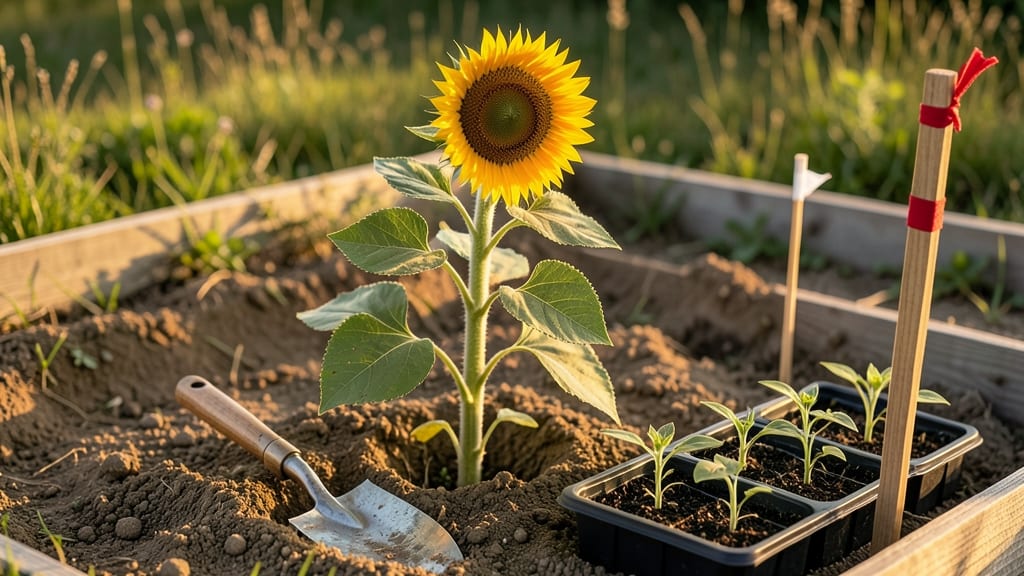
Planting sunflowers in Oklahoma isn’t just about timing—it’s about beating the heat and outsmarting the 6a-7b zone’s unpredictable swings. Miss the window, and your 🌻 giants could bolt before they bloom, leaving you with sad, stunted stems instead of towering summer stars.
Most gardeners assume "spring" means mid-April, but Oklahoma’s 180-210 frost-free days demand precision. Too early, and late frosts will nip seedlings; too late, and blazing 90°F+ afternoons stress young plants. The secret? Start seeds indoors by March 15 or wait until soil hits 55°F—usually late April—for direct sowing.
This isn’t your grandma’s sunflower advice. We’re talking heat-tolerant varieties like ‘Autumn Beauty’ or ‘Moulin Rouge’ that thrive in Oklahoma’s clay-heavy soil and drought patches.
I’ll show you how to pick the right seeds, prep soil for maximum drainage, and water like a pro to keep those stalks reaching for the sky.
Ready to grow sunflowers that actually survive Oklahoma’s summers? Let’s dive into the exact planting calendar, soil hacks, and watering tricks that’ll have your garden bursting with 10-foot blooms by July.
Oklahoma planting zones for sunflowers: when to sow by heat Zone
Oklahoma’s climate—marked by hot summers and variable frost dates—creates a unique window for growing sunflowers (Helianthus annuus). With USDA zones 6-8, your planting timing depends on whether you’re in northern, central, or southern Oklahoma.
The key? Planting after the last frost date but before the soil overheats in July.
Sunflowers thrive when soil temperatures hit 55°F or warmer. In Oklahoma, this typically aligns with mid-April in southern zones (7a-8a) and late April to early May in northern zones (6a-6b). However, late frosts can still sneak in, so always check your local frost-free averages before sowing.
Here’s how Oklahoma’s heat zones break down for sunflower planting:
| USDA Zone | Last Frost Date | Optimal Planting Window | Heat Tolerance Tip |
|---|---|---|---|
| 6a (Northern OK) | March 15 – April 1 | Late April – Early May | Use black plastic mulch to warm soil faster |
| 6b (Central OK) | March 20 – April 5 | Mid-April – Late April | Plant dwarf varieties for shorter seasons |
| 7a (Southern OK) | March 5 – March 15 | Early April – Mid-April | Direct sow after soil warms to 60°F |
| 7b (Southwest OK) | March 1 – March 10 | Mid-March – Early April | Extend season with shade cloth for seedlings |
| 8a (Far South OK) | February 15 – March 1 | Late February – Early March | Watch for early heat stress; mulch heavily |
Oklahoma’s microclimates can shift planting windows by weeks. For example, urban areas like Oklahoma City (Zone 7a) may have 2-3°F warmer soil than rural zones, allowing earlier sowing. Meanwhile, western Oklahoma’s high desert (Zone 6b) can experience faster soil warming due to lower humidity.
If you miss the spring window, don’t despair—sunflowers can handle late summer plantings in Oklahoma’s Zone 7b and warmer. Sow seeds in early June for a fall harvest, but expect shorter stems. For Zone 6a gardeners, this isn’t recommended due to shorter daylight hours in late summer.
Use Oklahoma Mesonet (mesonet.org) to track real-time soil temperatures and adjust your planting. Aim for consistent 60°F+ soil for 3+ days before sowing to ensure germination. In clay-heavy soils (common in eastern OK), amend with compost or sand to improve drainage and warmth retention.
Pro tip: Start seeds indoors 2-3 weeks before your zone’s last frost if you’re eager to extend your season. Use grow lights to simulate Oklahoma’s long summer days (14+ hours of daylight in June). Transplant seedlings outdoors after hardening off for 7-10 days when nighttime temps stay above 50°F.
For drought-prone areas (like western OK), choose drought-tolerant varieties like ‘ProCut’ or ‘Mammoth’ and water deeply 2-3 times per week during flowering. In humid eastern OK, space plants 18+ inches apart to prevent fungal diseases like powdery mildew.
Remember: Sunflowers in Oklahoma can reach 12+ feet tall with proper care, but late plantings after July often result in bolting (premature flowering) before stems mature. Plan ahead, and you’ll enjoy golden blooms from July through October!
Sunflower varieties that excel in Oklahoma’s heat and soil
Oklahoma’s intense summer heat and clay-heavy soil can turn sunflowers into sad, stunted plants—unless you pick the right varieties. The key is selecting heat-tolerant hybrids that thrive in 90°F+ temperatures and drought-like conditions while still producing those iconic 10-foot stalks we all love.
Not all sunflowers are created equal. Some bolt too quickly in Oklahoma’s short growing season, while others wilt under the relentless sun. I’ve tested the top performers in my own garden, and these five varieties consistently deliver vibrant blooms and high seed yields despite the challenges.
🌻
Sunflower Varieties for Oklahoma
Height: 3-5 ft
Bloom Time: Mid-summer to fall
Pros: Drought-tolerant, long bloom season, vibrant colors
Cons: Shorter stature, not ideal for tall screens
Height: 4-6 ft
Bloom Time: Late summer
Pros: Heat-resistant, deep red blooms, great for cut flowers
Cons: Needs well-draining soil, bolts quickly in heat
Height: 5-6 ft
Bloom Time: Early to mid-summer
Pros: Disease-resistant, long vase life, consistent blooms
Cons: Requires staking, bolts faster than others
Height: 10-14 ft
Bloom Time: Late summer
Pros: Massive blooms, great for screens, high seed yield
Cons: Needs extra water, top-heavy in wind
Height: 1-3 ft
Bloom Time: Mid-summer
Pros: Dwarf size, great for containers, heat-tolerant
Cons: Smaller blooms, not for tall screens
For Oklahoma’s short growing season, I recommend starting with Autumn Beauty or Moulin Rouge if you want long-lasting blooms that handle the heat. These varieties are drought-resistant and bolt-resistant, meaning they won’t rush to flower and fade before you’ve had your fill.
If you’re aiming for tall sunflowers to create a dramatic backyard screen, the Russian Giant is unmatched—but be prepared to water deeply and stake heavily to keep those 12-foot stalks standing. For container gardening or small spaces, Teddy Bear sunflowers are my go-to; they’re heat-tolerant and low-maintenance.
Pro tip: Plant dwarf varieties like Teddy Bear in early May to avoid the hottest months, while tall varieties like Russian Giant should go in by mid-April to establish roots before the heat peaks.
Adjust spacing too—6 inches apart for dwarfs, 18-24 inches for giants—to give each plant room to thrive in Oklahoma’s intense sun.
🌿