
Flowers
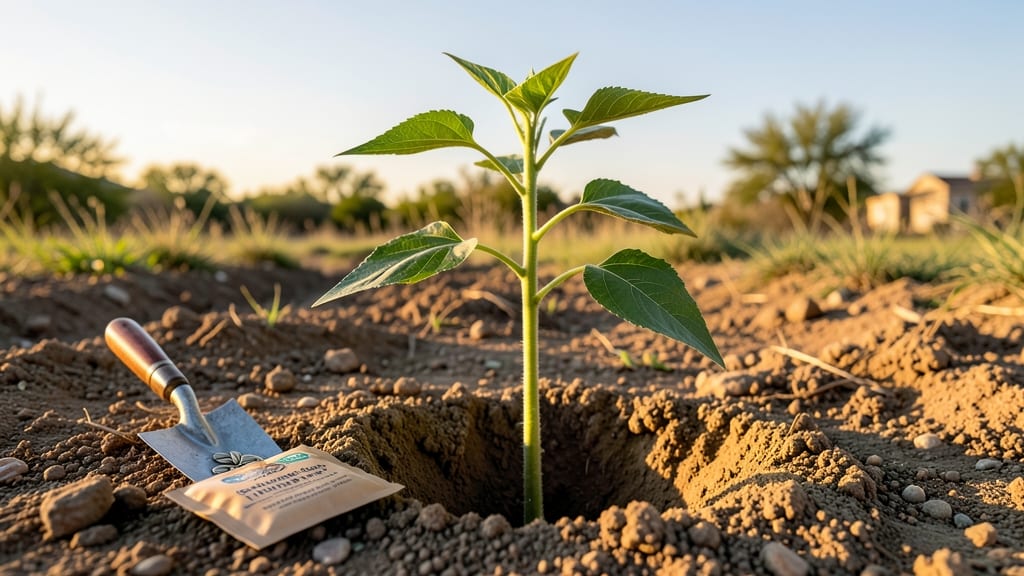
Planting sunflowers in Texas isn’t just about timing—it’s about unlocking their full potential in a climate that can be both a blessing and a challenge.
Whether you’re in the cooler Panhandle or the sweltering Rio Grande Valley, getting the best results means knowing exactly when to tuck those seeds into the soil for bold blooms that reach toward the sky.
Most Texas gardeners assume sunflowers are a summer-only crop, but the truth is more nuanced. In USDA zones 8a-10b, the ideal window stretches from late winter to early summer, with regional adjustments that can mean the difference between thriving 🌻 and struggling seedlings.
I’ll break down the exact months for North, Central, and South Texas—and why a few weeks can make all the difference in your garden’s success.
You might be surprised to learn that sunflowers planted too early can bolt in the heat, while late plantings might not mature before the first frost. The key is aligning your schedule with Texas’s unpredictable weather patterns, from sudden cold snaps in March to scorching 100°F days by June.
Let’s dive into the strategies that work, so you can enjoy sunflowers that tower over your fence all season long.
Once you’ve got the timing down, the next steps—like preparing nutrient-rich soil and protecting young plants—become even more critical. I’ll share the exact techniques I use to ensure my sunflowers grow strong, even in the harshest Texas summers. Ready to transform your garden with these cheerful giants? Let’s get started.
Texas sunflower planting calendar by region: month-by-month guide
Texas’s diverse climate zones mean your sunflower planting timing should vary dramatically from the Panhandle to South Texas. In North Texas, where last frost dates arrive in late February, you can start seeds indoors by mid-February for early blooms.
Meanwhile, South Texas gardeners can direct-sow as early as January thanks to warmer winters. The key is aligning your planting window with soil temperatures—sunflowers need 60°F+ soil to germinate reliably.
For Central Texas, the ideal planting months stretch from March through May, with a second planting window in late summer (August-September) for fall blooms. This succession planting strategy ensures continuous color from June through October.
However, heat-tolerant varieties like 'Autumn Beauty' or 'Russian Giant' handle Texas summers better than delicate types. Always check your USDA zone—most of Texas falls in zones 8a-10b, but microclimates matter.
In North Texas, where frost risks linger until March, I recommend starting sunflower seeds indoors in late January to give them a head start. Use biodegradable pots so you can transplant seedlings without disturbing roots.
For direct sowing outdoors, wait until soil temperatures consistently stay above 60°F—typically mid-April in most areas. Mulch heavily after planting to retain moisture and regulate soil temperature, especially in windy Panhandle conditions.
Central Texas gardeners have the most flexible timeline thanks to moderate winters. I’ve had success planting dwarf varieties like 'Teddy Bear' as early as February in protected microclimates (like near south-facing fences), while tall varieties like 'Mammoth' thrive when sown in April.
The late-summer planting window—August to early September—works surprisingly well for fall-blooming sunflowers, especially if you choose heat-tolerant hybrids. Just be prepared to water deeply during 100°F+ spells.
For South Texas, where winters are mild and summers are brutal, I prioritize early planting to beat the heat. Sow seeds in January for spring blooms, then follow up with a second planting in September for fall color.
The trick here is shade cloth—use 30-50% shade during peak summer months to prevent bolting or leaf scorch. I’ve also found that raising beds improves drainage in clay-heavy soils common to this region.
No matter your Texas region, always test your soil pH before planting—sunflowers prefer 6.0-7.0. Amend with com
How to adjust sunflower planting for Texas heat waves and drought
Texas summers can turn your sunflowers into wilted shadows of their potential if you don’t adjust your approach. The key to success lies in strategic planting adjustments that protect seedlings from 100°F+ heat and prolonged drought.
Unlike cooler climates, Texas sunflowers need extended growing seasons with moisture retention tricks and shade protection to thrive. I’ve learned the hard way that planting too late or without proper care can result in stunted growth or even plant death during heat waves.
One of the first adjustments I make is extending the growing season by using shade cloth during the hottest months. A 30-50% shade cloth placed over young plants can reduce soil temperatures by 10-15°F, giving them a fighting chance during June and July.
I also recommend planting heat-resistant varieties like 'Autumn Beauty' or 'ProCut'—these varieties are bred to handle Texas’s extreme conditions better than traditional types. Another trick is succession planting in late summer (August-September) for fall blooms that avoid the worst heat.
In Central and South Texas, planting sunflowers after mid-May risks bolting or premature flowering due to heat stress. Seedlings planted in June or July often struggle to establish roots before drought conditions set in. For North Texas, avoid planting after early June unless you’re using shade cloth and drip irrigation. Always check your local weather forecasts—even a 10-day heat wave above 95°F can kill young sunflowers.
To keep your sunflowers hydrated during drought conditions, I swear by deep watering techniques. Instead of light, frequent watering, give your plants 1-2 gallons of water every 7-10 days to encourage deep root growth. Water in the early morning to reduce evaporation and fungal risks.
Another trick is mulching with straw or wood chips—this helps retain soil moisture and keeps roots cool during heat waves. For container-grown sunflowers, use self-watering pots or place them in shaded areas during peak afternoon heat.
Recognizing signs of heat stress in sunflowers is crucial for saving your plants. Watch for wilting leaves, yellowing foliage, or drooping flower buds—these are clear indicators that your sunflowers are struggling. If you catch these signs early, provide immediate shade and increase watering frequency.
For severely stressed plants, trim damaged leaves to redirect energy to new growth. In extreme cases, prune back the flower head to encourage rebound growth—this works surprisingly well for dwarf varieties like 'Teddy Bear'.
For reviving struggling sunflowers, I’ve had the most success with a two-step recovery plan. First, move the plant to a shadier spot (even under a tree canopy or patio cover) for 1-2 weeks to reduce stress.
Second, fertilize lightly with a balanced 5-10-10 mix to restore nutrients lost during heat stress. Avoid heavy fertilizers—they can burn roots in already-stressed plants. With proper care, many sunflowers bounce back within 2-3 weeks, especially if they’re young seedlings rather than mature plants.
Finally, don’t overlook the power of microclimates in your garden. South-facing walls, raised beds, or even windbreaks can create cooler, more stable environments for sunflowers. In my own garden, I’ve seen 30% taller blooms in protected microclimates compared to exposed areas.
If you’re in South Texas, consider planting near a building’s north side to shield plants from afternoon sun. With these adjustments, you’ll enjoy vibrant, healthy sunflowers even in the harshest Texas summers. 🌻