
Plants
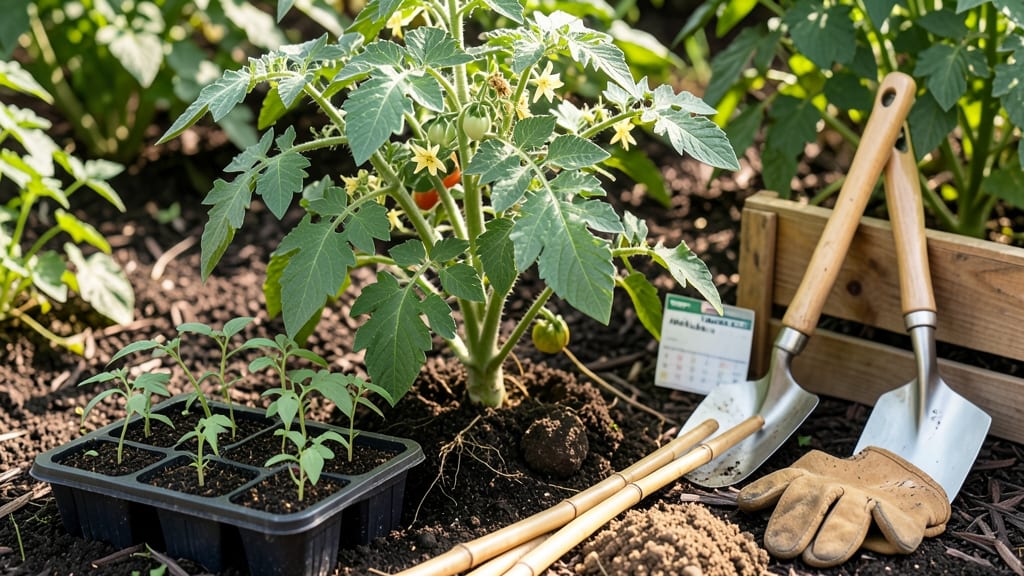
Planting tomato plants in Pennsylvania at the wrong time can mean the difference between a bountiful harvest and wilted disappointment—especially when unpredictable spring weather throws off even the most careful gardeners.
With USDA zones 5b-7a across the state, timing isn’t just about avoiding frost; it’s about waiting for soil warmth that encourages strong root growth and disease resistance.
The ideal window for transplanting your 🍅 tomato seedlings typically falls between April 15 and May 15, but that varies by region. In cooler areas like Erie, you might need to wait until late May, while Philadelphia gardeners can often start earlier.
The key isn’t just the last frost date—it’s ensuring soil temperatures hit at least 50°F (with 60°F+ being ideal) for healthy germination.
If you’re starting seeds indoors, you’ll need to begin 6–8 weeks before your last frost to give seedlings enough time to mature before transplanting. For Pennsylvania’s short growing season, this means seed-starting as early as March in some zones.
But don’t rush—overcrowded seedlings or transplanting too soon can stress your plants and leave them vulnerable to pests.
In this guide, I’ll break down the exact planting timeline for your region, soil temperature tricks to speed up growth, and how to extend your harvest with smart succession planting. Whether you’re a first-timer or a seasoned grower, these insights will help you maximize your tomato yield—no guesswork required.
Pennsylvania’s last frost dates by region: the critical timeline for tomato planting
Timing your tomato plantings in Pennsylvania isn’t just about avoiding frost—it’s about syncing with your region’s unique microclimates and soil warmth triggers. Tomatoes are heat-loving plants that need consistent temperatures above 50°F for roots and 60°F for optimal growth.
Plant too early, and you risk stunted plants or fungal diseases; too late, and your harvest shrinks. The key? Understanding your USDA hardiness zone and using the 10-day rule—waiting 10 days after your average last frost before transplanting seedlings outdoors.
Pennsylvania spans USDA zones 5a to 7a, meaning frost dates vary wildly from the cooler Poconos (zone 5a) to the milder Delaware Valley (zone 7a). Urban areas like Philadelphia often warm up faster than rural farms, while valleys can trap cold air longer.
To simplify, I’ve broken down the average last frost dates by city and added a soil temperature checklist to ensure your tomatoes thrive from day one.
For example, if you’re in Philadelphia (zone 7a), the average last frost is April 20, but I recommend waiting until May 1–10 to plant seedlings. This 10-day buffer accounts for late frosts and gives your plants time to establish roots before summer heat arrives.
In Erie (zone 5b), the lake’s influence means you should push planting to May 15–25, even if the air feels warmer—soil near the lake stays chilly longer.
Soil temperature is just as critical as air temperature. Use a soil thermometer (inserted 2 inches deep) to confirm your garden beds have reached the minimum 50°F for root growth.
In cooler zones like Scranton (5a), I’ve had success using black plastic mulch or row covers to warm the soil by 5–10°F faster. Pro tip: Place your thermometer in the shadiest part of your garden—that’s where soil warms slowest.
Microclim
How to time tomato planting for soil warmth: beyond frost dates
Frost dates are a great starting point, but soil temperature is the real game-changer for tomato success in Pennsylvania. Tomatoes need consistent warmth to grow strong roots and set fruit—especially in PA’s USDA zones 5b-7a, where cool springs can delay planting.
While last frost dates might suggest early May, your soil could still be too cold for healthy tomato growth.
Most gardeners focus on frost dates, but tomatoes won’t thrive until soil reaches 60°F at 4 inches deep. In cooler PA regions like Erie or State College, this could mean waiting until early June.
Meanwhile, southern PA (Philadelphia, Reading) might hit ideal temps by late April. Testing soil temperature—not just air temperature—is the secret to avoiding stunted plants and poor yields.
⚠️ callout warning
Cold soil (below 50°F) causes root rot and blossom end rot. Even if frost risk is gone, wait until soil warms to 60°F+ at 4" depth. Use a soil thermometer ($10 at garden centers) to check—never guess!
🌱 Pro Tip: Dark-colored mulch (like straw) can warm soil 5-10°F faster than bare ground.
To speed up soil warming, use black plastic mulch or row covers—both can raise soil temps by 5-10°F in just days.
For early varieties (like 'Stupice' or 'Mountain Merit'), plant as soon as soil hits 55°F with protection. Late varieties (e.g., 'Celebrity' or 'Better Boy') can wait until 65°F for faster growth and larger fruit.
Here’s my 3-step soil prep checklist before planting: 1️⃣ Test soil temperature at 4" depth for 3 days (morning/evening). Aim for 60°F+. 2️⃣ Amend heavy clay soil with compost (30%) + sand (20%) to improve drainage.
For sandy soil, mix in peat moss (20%) to retain moisture. 3️⃣ Add 2-3 inches of mulch (straw or grass clippings) to lock in heat and suppress weeds.
Common mistakes that delay germination? Planting too deep (bury stems beyond seed leaves), using fresh manure (burns roots), or ignoring drainage issues. Always plant tomatoes in well-draining soil with stakes or cages ready—crowded plants lead to disease and poor airflow.
For Pennsylvania gardeners, late May to early June is the sweet spot for most regions, but soil temperature trumps frost dates. Use a thermometer, adjust for your microclimate, and don’t rush—patience now means bigger harvests later! 🌱