
Plants
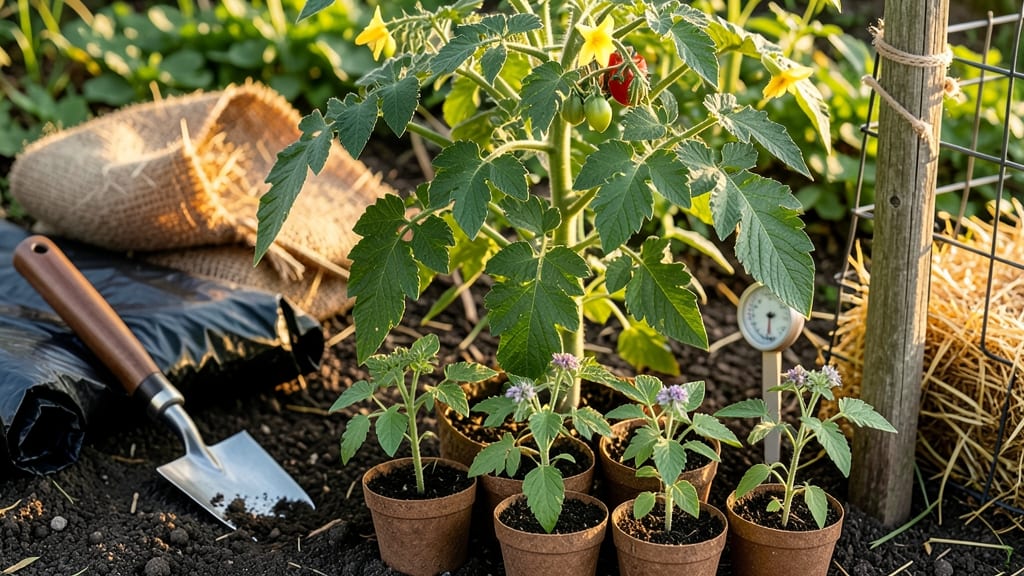
Planting your 🍅 tomatoes at the wrong time in North Carolina could mean the difference between a garden overflowing with juicy fruit and a sad, wilted disappointment. The key to success lies in understanding your local heat zone and avoiding those critical early spring mistakes that even experienced gardeners make.
With North Carolina's diverse climate—from the cooler mountain regions to the warmer coastal plains—knowing when to plant is more than just checking a calendar. You'll need to account for soil temperatures, last frost dates, and even the unpredictable weather patterns that can shift your planting window faster than you expect.
I've grown tomatoes in this state for years, and what I'm about to share will help you time your planting perfectly for maximum yield. Whether you're starting seeds indoors or transplanting seedlings, these proven strategies will give your plants the best possible start in USDA zones 6a to 8b.
Let's break down the exact planting windows, soil prep secrets, and regional adjustments that will have you harvesting tomatoes from June through October—no matter where you are in the state.
North Carolina heat zones and ideal tomato planting dates by region
North Carolina's diverse climate—from the cool mountains to the humid coastal plains—creates distinct USDA heat zones (5a-8a) that dictate when to plant tomatoes. Getting the timing right ensures your seedlings thrive after the last frost and before summer heat sets in.
Each region has its own frost-free window, so let's break down the ideal planting dates zone by zone.
For Zone 5a (western NC mountains), like Asheville, the last frost typically occurs around April 15. Transplant seedlings 2-3 weeks after this date, aiming for May 1 to give plants time to establish roots before summer heat arrives.
Coastal areas like Wilmington (Zone 8a) have a much later frost date—around February 15—allowing for earlier planting in March.
Here’s how to calculate your local frost-free date: Check the NC State Climate Office or use the USDA Plant Hardiness Zone Map. Subtract 2-3 weeks from your last frost date to determine the safest transplant date.
For example, Raleigh (Zone 7b) usually plants tomatoes around April 15, while Charlotte (Zone 7a) waits until April 22.
Tomatoes thrive when soil temperatures reach at least 60°F. Use a soil thermometer to confirm—cooler soils delay germination and stunt growth. In Zone 5a, where nights can still dip below 50°F, consider using black plastic mulch to warm the soil faster.
For Zone 8a, where heat arrives early, opt for heat-tolerant varieties like 'Celebrity' or 'Solar Fire' to avoid blossom drop.
Don’t forget about fall planting! In Zones 7b-8a, you can sow cold-hardy varieties like 'Stupice' or 'Mountain Merit' in late summer (August) for a harvest before the first frost.
These varieties tolerate cooler nights better than traditional types. Just be sure to use row covers if temperatures drop below 40°F at night.
Pro tip: Start seeds indoors 6-8 weeks before your region’s last frost date. Use grow lights to supplement natural light, especially in Zone 5a, where shorter days delay maturity. Harden off seedlings for 7-10 days before transplanting to prevent shock from NC’s unpredictable spring weather.
For succession planting, stagger your sowing dates every 2-3 weeks after the initial planting window. This extends your harvest window from summer to early fall, even in Zone 5a. Just avoid planting after July 15—seedlings won’t have enough time to mature before frost.
Always monitor local weather forecasts for late frosts, which can still occur in April even in Zone 8a. Keep a frost cloth on hand for young plants, and avoid planting in low-lying areas where cold air settles.
With these region-specific guidelines, you’ll maximize your tomato yield no matter where in NC you garden! 🌱
Step-by-step guide to planting tomatoes in NC’s variable climate
North Carolina’s variable climate demands smart planning when planting tomatoes. Whether you're in the Coastal Plain or the Mountains, timing is everything. I’ve learned that soil temperature and frost-free dates are your best guides—not just the calendar.
Coastal areas warm up faster, while mountain regions need extra patience to avoid late frosts.
Start by checking your last average frost date—typically mid-April in the Piedmont and late March in coastal zones. But don’t rush! Tomatoes thrive when soil hits 60°F and stays there.
I always test with a soil thermometer to avoid cold stress. In the Mountains, wait until May 1 or later for safety.
🌱 Step-by-Step Planting Guide for NC Tomatoes
-
Step 1: Harden Off Seedlings
Place seedlings outside for 1-2 hours/day over 7-10 days, gradually increasing time. Use shade cloth if temps exceed 80°F.
-
Step 2: Prep the Soil
Mix in compost or aged manure for nutrients. Coastal areas benefit from sand amendments to improve drainage, while mountain soils may need peat moss.
-
Step 3: Plant After Frost
Transplant 2-3 weeks after last frost (or when soil hits 60°F). Bury stems 1/3 deep to encourage root growth. Space 18-24 inches apart for indeterminate varieties.
-
Step 4: Mulch Heavily
Apply 3-4 inches of mulch (straw or black plastic) to retain moisture and suppress weeds. In the Coastal Plain, mulch helps combat heat stress.
-
Step 5: Support and Water
Install cages or stakes at planting. Water deeply 2-3 times/week, focusing on the roots. Avoid wetting leaves to prevent fungal diseases like blight.
-
Step 6: Monitor for Pests
Watch for hornworms and aphids. Use neem oil or row covers if needed. In humid NC summers, prune lower leaves for airflow.
If you’re in the Mountains, consider row covers for early planting—they can push your season 2-3 weeks earlier by trapping heat. I’ve also had success with black plastic mulch to warm soil faster in cooler zones. Just remember to remove covers before flowering to allow pollination.
For succession planting, sow a second batch in late June (after the first harvest). This works best in Coastal Plain areas where summers stay warm.
In the Piedmont, aim for early July to avoid early fall frosts. Always choose disease-resistant varieties like ‘Celebrity’ or ‘Mountain Merit’ for NC’s humid climate.
Finally, don’t forget to rotate crops yearly to prevent soil-borne diseases. I plant tomatoes in a different spot each year, and my yields have improved dramatically. With these steps, you’ll beat NC’s unpredictable weather and enjoy a bountiful harvest from June to October.