
Plants
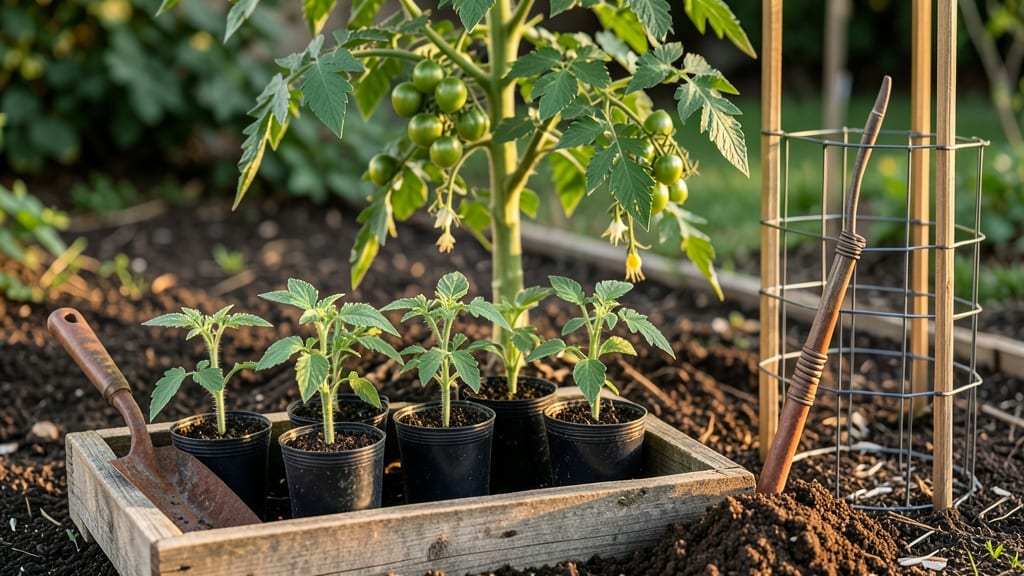
Planting tomatoes in Ohio isn't just about grabbing seedlings and sticking them in the ground—timing is the key to avoiding frost damage and ensuring a bountiful harvest. 🍅 With last-frost dates varying by region, knowing when to plant can mean the difference between thriving vines and wilted hopes.
For most of Ohio—especially in Zone 6a—the ideal window opens between April 15 and May 15, but northern areas may need to wait until late May. Whether you're starting seeds indoors or transplanting seedlings, soil temperature and local microclimates play a huge role in success.
I’ll break down the best planting strategies for Ohio’s diverse climate, including adjustments for container gardening and late frosts. By the end, you’ll know exactly when to get your tomatoes in the ground for the most productive summer possible.
Ready to grow tomatoes that rival your favorite grocery store? Let’s dive into the perfect planting schedule for your Ohio garden.
Ohio frost-free dates by region: best planting windows for tomatoes
Ohio’s diverse climate means frost-free dates can vary by 500 miles—and up to 3 weeks—between regions. For tomatoes, which thrive in warmth, planting too early risks frost damage, while waiting too long shortens your harvest window.
Understanding your specific region’s last-frost averages and soil temperature needs is key to a bountiful yield.
Most Ohio gardeners aim to plant tomatoes after May 1, but this shifts based on microclimates. Northern Ohio (like Toledo and Cleveland) often waits until mid-May, while southern Ohio (Cincinnati, Columbus) can start as early as late April. Soil temperature is just as critical—tomatoes need 60°F+ soil to germinate and grow.
Use a soil thermometer to confirm readiness before planting.
Below is a region-by-region breakdown of Ohio’s frost-free dates, ideal planting windows, and soil temperature requirements for tomatoes.
These averages help you align your planting schedule with Ohio’s unpredictable spring weather patterns. Adjust for your local microclimate—urban areas may warm faster than rural spots, and elevation can delay frost dates.
🌱
| Region | Last Frost Date (Avg) | Planting Window | Soil Temp Requirement | Notes |
|---|---|---|---|---|
| Northwest Ohio (Toledo, Lima, Bowling Green) | May 5–10 | May 15–20 (after last frost) | 60°F+ | Cooler microclimates; use row covers for early starts. |
| Northeast Ohio (Cleveland, Akron, Youngstown) | April 25–May 5 | May 10–15 | 60°F+ | Urban areas warm faster; monitor soil temps closely. |
| Southeast Ohio (Athens, Cambridge, Chillicothe) | April 15–20 | April 25–May 5 | 60°F+ | Hilly terrain may delay frost; plant on south-facing slopes. |
| Southwest Ohio (Cincinnati, Dayton, Miamisburg) | April 10–15 | April 20–25 | 60°F+ | Warmest region; ideal for early-maturing varieties. |
| Central Ohio (Columbus, Delaware, Marion) | April 20–25 | May 1–5 | 60°F+ | Moderate climate; balance between north/south regions. |
If you’re starting tomatoes indoors, begin seeds 6–8 weeks before your region’s last frost date. For example, Northwest Ohio gardeners should start seeds by March 20–April 1, while Southwest Ohio can begin as early as March 1.
Transplant seedlings outdoors only after hardening off (acclimating to outdoor temps for 7–10 days) and when nighttime temps stay above 50°F.
For container gardening, soil warms faster in pots, so you can plant 1–2 weeks earlier than in-ground tomatoes. However, containers also dry out quicker, so ensure they’re at least 12 inches deep and use moisture-retentive potting mix.
Place containers in full sun (6+ hours daily) and avoid placing them on concrete or pavement, which can overheat roots.
Ohio’s unpredictable spring weather can throw off even the best-laid plans. If frost
How to adjust planting time for Ohio’s unpredictable weather patterns
Ohio’s weather can throw a curveball—one week of unseasonable warmth followed by a late frost in May or an early heatwave in June. These swings make tomato planting tricky, but with smart adjustments, you can still enjoy a bountiful harvest.
The key is flexibility: knowing how to extend your season or delay planting without sacrificing yield.
If you’ve ever watched your seedlings shiver under a late frost or wilt in scorching summer heat, you’re not alone. Ohio’s USDA Zone 6a climate means we’re always playing catch-up with Mother Nature.
The good news? Tools like row covers, cold frames, and strategic transplanting can give your tomatoes the edge they need to thrive.
- 1. Start Indoors Early: Kick off your season by sowing seeds 6-8 weeks before your region’s last frost date. Use grow lights or a sunny windowsill to avoid leggy seedlings. For Ohio, this means starting in early March for northern regions and late February for southern areas.
- 2. Use Row Covers: Protect young plants with floating row covers to shield them from late frosts (down to 28°F). Remove covers when flowers appear to allow pollination. These covers also deter pests like tomato hornworms.
- 3. Build a Cold Frame: Extend your season by 2-4 weeks in spring or fall using a simple cold frame. Place it over seedlings to trap heat and protect against light frosts. Ideal for northern Ohio where frosts linger longer.
- 4. Transplant Strategically: If frost delays outdoor planting, harden off seedlings and transplant them into containers or raised beds. Move pots to a sheltered spot during the day and bring them inside at night until soil warms to 60°F.
- 5. Mulch for Heat Tolerance: Apply black plastic mulch or straw to warm soil faster in spring. In summer, use straw mulch to retain moisture and cool roots during heatwaves. This is a game-changer for southern Ohio where summer temps can soar.
- 6. Succession Planting: For a continuous harvest, plant a second batch of seeds 2-3 weeks after your first planting. Choose early-maturing varieties like ‘Early Girl’ (60 days) to avoid overlapping harvests with late-season heat.
- 7. Monitor Soil Temps: Use a soil thermometer to ensure roots stay above 55°F. If soil is too cold, delay planting or use heat mats under containers. Tomatoes won’t thrive until soil reaches 60-65°F.
Don’t let Ohio’s unpredictable weather derail your tomato dreams. By combining these strategies, you can adjust planting times and give your plants the best shot at success. For example, if a late frost hits in mid-May, use row covers to protect seedlings while you wait for warmer soil.
Conversely, if an early heatwave arrives in June, mulch heavily and water deeply to keep roots cool.
Pro tip: Keep a gardening journal to track your local frost dates and weather patterns. Over time, you’ll spot trends—like whether your area tends toward late frosts or early heat1-2 week adjustment can mean the difference between a disappointing harvest and a tomato explosion on your vine.
Remember, tomatoes are resilient, and with the right tools, you can beat Ohio’s weather at its own game. Whether you’re dealing with a cold snap or a sweltering summer, these adjustments will help you grow juicier, healthier tomatoes all season long. Happy gardening!