
Plants
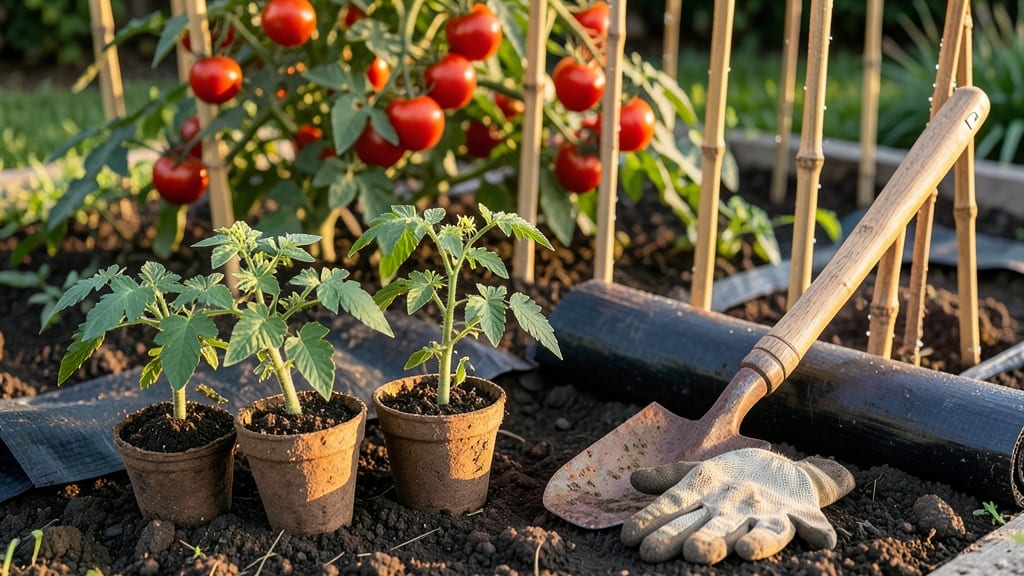
Planting tomatoes in Oklahoma isn't just about grabbing seeds and sticking them in the ground—it's about timing them perfectly to outsmart the state's unpredictable spring frosts and scorching summers.
With USDA zones 6b-8a across the state, your planting window can shift dramatically from northern to southern regions, making the difference between a bountiful harvest and a sad, wilted disappointment.
I've learned the hard way that waiting until soil temperatures hit 60°F (15°C) and nighttime temps stay above 50°F (10°C) is the real game-changer for Oklahoma gardeners.
That means transplants should go in between March 15 and May 1, while seeds can wait until April 15-June 1—but only if you're prepared to protect them from late frosts or early heatwaves.
What makes this especially tricky is Oklahoma's microclimates—where one county might be frost-free by April, another could still see icy surprises in May. The key is knowing your exact last frost date (central OK averages March 15) and adjusting your schedule accordingly.
Whether you're growing cherry tomatoes for snacks or beefsteaks for sandwiches, getting this right means the difference between a 6-week harvest and a wasted season.
Ready to turn your Oklahoma garden into a tomato powerhouse? Let's break down the exact planting windows, heat zone deadlines, and smart strategies to keep your 🍅 thriving—no matter what Mother Nature throws your way. You'll never second-guess your timing again.
Oklahoma heat zones and their critical tomato planting deadlines
Oklahoma’s USDA heat zones 7a-8b create a tight window for tomato planting, where timing can mean the difference between a bountiful harvest and lost plants.
The state’s last spring frost dates vary dramatically—from March 15 in central Oklahoma to April 1 in northern regions—while southern Oklahoma (zone 8b) often sees frost-free conditions by March 1. Understanding these zones helps you avoid frost damage or premature wilting from summer heat.
For transplanting tomatoes, aim for 2-3 weeks after your average last frost date. This means late March to early April in southern Oklahoma and mid-April to early May in northern zones.
Direct-seeding should wait until soil temperatures hit 60°F (15°C), typically April 15 to May 1, depending on your zone. Heirloom varieties like Brandywine need extra warmth, while cherry tomatoes (Sweet 100) tolerate slightly cooler soils.
Here’s your zone-specific planting timeline to maximize success:
| USDA Zone | Last Frost Date | Transplant Window | Direct Seed Window | Best Varieties |
|---|---|---|---|---|
| 7a (Northern OK) | April 1 | May 1–15 | May 15–June 1 | Early Girl, Stupice |
| 7b (Central OK) | March 25 | April 15–May 1 | April 30–May 15 | Celebrity, Roma |
| 8a (Southern OK) | March 1 | March 15–April 15 | March 30–April 30 | Solar Fire, Heatmaster |
| 8b (Southwest OK) | February 28 | March 1–March 31 | March 15–April 15 | Beefsteak, Black Krim |
In zone 7a, where late frosts linger, opt for early-maturing varieties like Early Girl (60 days to harvest) to beat the heat. Meanwhile, zone 8b gardeners can push the envelope with heirloom beefsteaks, planting as early as March 1 under row covers for frost protection.
Always monitor soil temperature—cold soil slows germination, while black plastic mulch can add 5-10°F to accelerate warming.
For container gardening, start transplants indoors 6-8 weeks before your last frost and harden them off before moving outside.
Containers warm up faster than soil, so adjust your timeline 1-2 weeks earlier than in-ground planting. Cherry tomatoes thrive in containers, while indeterminate varieties like Sungold need deeper pots (18+ inches) to support their vines.
Watch for false springs, where warm days trick you into planting too early. If nighttime temps dip below 50°F (10°C), cover seedlings with frost cloth or move pots to a sheltered spot.
In western Oklahoma, where drought is common, prioritize drought-tolerant varieties like Heatmaster and mulch heavily to retain moisture. A 3-inch layer of straw can reduce watering needs by 30%.
Your harvest window in Oklahoma spans June to October, but heat waves can stress plants. Use shade cloth (30-50%) during peak summer to prevent blossom drop and sunscald.
Succession planting—sowing new seeds every 2 weeks—ensures a continuous harvest. For late-season varieties, like Brandywine, start seeds indoors in February to transplant by April 15.
Pro tip: Mark your calendar for June 1 as the last safe date to transplant in most of Oklahoma. After that, direct-seeding becomes riskier due to summer heat stress. Pair your planting with regular pruning to improve airflow and reduce disease risk—a critical step in Oklahoma’s humid summers.
By aligning your tomato planting with your
How to adjust tomato planting for Oklahoma’s unpredictable weather patterns
Oklahoma’s weather swings from freezing nights to 100°F heatwaves in weeks, making tomato planting a delicate balance. The key is adapting your schedule to real-time conditions—not just historical averages.
Western Oklahoma’s drier climate and northern areas’ late frosts demand extra precautions, while central Oklahoma’s humidity can accelerate disease if you’re not careful.
Start by monitoring soil temperatures with a thermometer—they must reach 60°F (15°C) before planting. In western Oklahoma, where drought is common, wait until mid-April for transplants to avoid stress.
Northern Oklahoma gardeners should hold off until after May 1 to dodge late frosts, while central OK’s April 15 window is safer for most varieties.
⚠️ WARNING: Oklahoma’s Weather Whiplash ⚠️ When local forecasts deviate from your historical planting dates, use these 3 rules to adjust: ✅ Soil temp >60°F (use black plastic mulch to warm faster) ✅ Night temps stay above 50°F (row covers protect young plants) ✅ Forecast: 0% frost risk (check NOAA’s 14-day outlook before planting) Western OK’s dry heat can fool you—always verify soil moisture!
For extended growing seasons, try cold frames or low tunnels in early spring. These raise soil temps by 5-10°F and shield seedlings from 32°F frosts. In high-risk zones like Panhandle Oklahoma, start seeds indoors 6-8 weeks before your last frost date, then transplant after May 15 when nights reliably stay above 55°F.
Row covers are your best friend for late-season protection. Use them to:
- Extend harvests into October by shielding plants from early frosts
- Reduce blossom-end rot in erratic weather (keep soil moist!)
- Trap heat during day, then remove at night in 90°F+ temps to prevent overheating
Soil warming tricks work wonders in cool springs. Lay black plastic mulch 2 weeks before planting to raise soil temps by 10°F+. For containers, use heat mats under pots to keep roots warm.
In western Oklahoma’s alkaline soil, mix in compost to improve drainage and fertility—tomatoes hate soggy roots!
Pro tip: Plant fast-maturing varieties like ‘Early Girl’ (60 days) if your season feels short. Pair them with heat-tolerant types like ‘Solar Fire’ for a double harvest. Adjust watering to morning only—Oklahoma’s humidity fuels fungal diseases, and wet leaves at night are a recipe for disaster. 🌱