
Plants
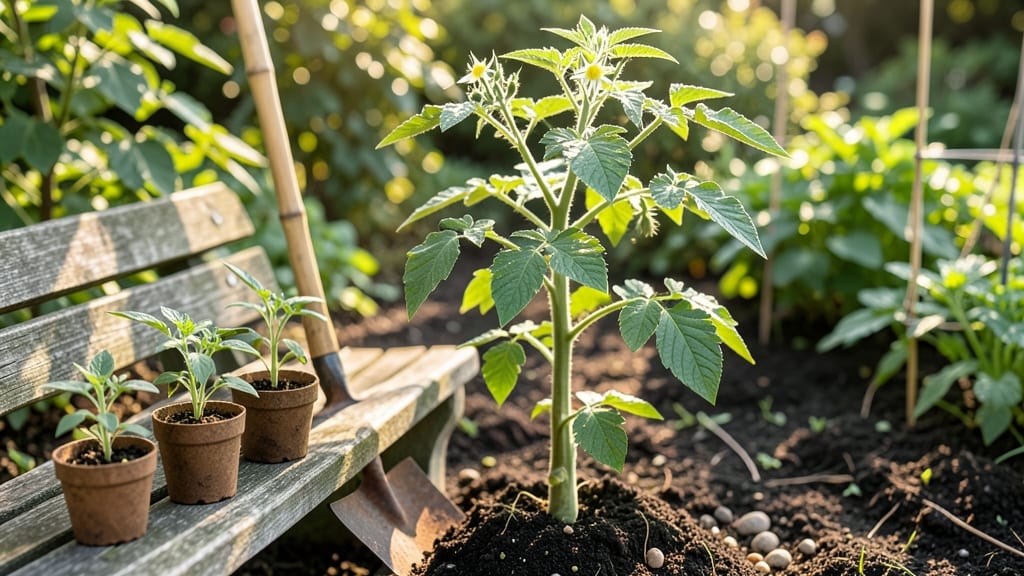
Planting tomatoes in Pennsylvania at the wrong time means risking frost damage or stunted growth—so timing your 🍅 starts just right is everything. The average last frost date hovers around April 15, but your exact zone (5b-7a) and local microclimate can shift that window by weeks.
Whether you're starting seeds indoors or transplanting seedlings, getting this right ensures your plants thrive from June through October. I’ll walk you through the zone-specific deadlines, soil temperature tricks, and backup plans for those late spring chills that sneak up on gardeners.
No more guessing—just proven strategies to outsmart Pennsylvania’s unpredictable spring. You’ll learn when to begin seeds, how to harden off seedlings, and why waiting for 60°F soil makes all the difference.
Let’s turn your tomato dreams into a bountiful harvest—no frost-related heartbreak allowed.
Pennsylvania tomato planting deadlines by hardiness Zone (4-7)
Pennsylvania’s USDA hardiness zones 4-7 create dramatic differences in tomato planting timing—from late April in Zone 7 to mid-May in Zone 4. The secret? Waiting until soil hits 55°F+ and nighttime temps stay above 50°F to avoid frost damage.
My Zone 6 garden in central PA taught me the hard way that rushing seedlings out too early means sad, blackened leaves!
Don’t rely solely on zone numbers—PA’s microclimates (like urban heat islands or valley frosts) can shift your ideal window by 1-2 weeks. Check your exact zone using the USDA Plant Hardiness Map or Penn State Extension’s local frost data.
I always verify by calling my county extension office—they track real-time frost alerts that save my tomatoes every year.
Here’s your zone-by-zone transplant timeline, including soil temp requirements and backup strategies for late frosts. Pro tip: Use row covers to push your planting window 2 weeks earlier in cooler zones.
Zone 4 gardeners face the toughest challenge—late frosts can hit as late as May 20. My solution? I always plant two batches: one in early May with row covers, and a backup set in late May when frost risk drops.
For Zone 7, you’ve got more flexibility, but don’t get cocky—April frosts still happen, especially in valleys.
Soil temperature matters more than air temperature. Use a soil thermometer (only $10) to confirm readiness. I’ve seen 70°F air temps with 45°F soil—tomato roots need warmth to thrive.
Pro move: Lay down black plastic mulch 2 weeks before planting to warm the soil faster. It’s a game-changer for cooler zones.
For container gardening, add 2 weeks to these timelines since pots cool faster. I grow cherry tomatoes in 5-gallon buckets on my deck—by planting May 25 in Zone 6, I still get harvests until October 10.
The key? Use self-watering pots and move them to sunny spots when clouds roll in.
Don’t forget about late-season varieties! If you love heirloom tomatoes like 'Brandywine', plant them June 1-15 in all zones—they’ll ripen just before frost. I’ve had success with 'Solar Fire' (a heat-tolerant variety) planted as late as July 1 in Zone 6, yielding until first frost.
When in doubt, check the 10-day forecast before transplanting. I follow the National Weather Service’s Pittsburgh/State College offices for local alerts. If frost is predicted within 5 days, delay planting or use frost cloth.
Last year, I saved my $80 worth of seedlings by covering them during a 28°F night in late May—worth every penny!
Remember: Tomatoes hate cold feet. Even if daytime temps are warm, cool nights stress plants. Wait until nighttime lows stay above 50°F consistently. In my Zone 6 garden, that usually means waiting until after Memorial Day—no exceptions.
Your plants will thank you with bigger, juicier tomatoes all season.
How to time tomato planting for maximum yield in Pennsylvania’s climate
Pennsylvania’s unpredictable spring frosts can ruin even the most carefully planned tomato garden—but with the right timing and tools, you can extend your growing season by weeks. The secret lies in combining accurate frost dates with season-extending techniques like row covers and cold frames.
Whether you’re starting seeds indoors or direct-sowing, knowing when to act is everything.
First, check your local last-frost date (typically April 15 in most of PA, but earlier in southern zones). Then, factor in soil warmth—tomatoes need 60°F+ soil to thrive. If your soil is cold, use black plastic mulch or a soil warming mat to jumpstart growth.
This is especially critical in Zone 5b, where late frosts are common.
- Start seeds indoors: 6-8 weeks before last frost (mid-February to early March for most of PA). Use grow lights for 12-14 hours/day to prevent leggy seedlings.
- Transplant seedlings: After last frost (mid-May in Zone 5b, early May in Zone 6a). Harden off seedlings for 7-10 days before moving outdoors.
- Direct-sow seeds: 2-3 weeks after last frost (late May) when soil is 60°F+. Use biodegradable pots to avoid root disturbance.
- Extend the season: Use row covers (remove when flowers appear) or cold frames to plant 4-6 weeks earlier in spring or 2-3 weeks later in fall.
- Monitor forecasts: Check 10-day PA weather for frost warnings. If nights dip below 50°F, cover plants with frost cloth or move pots indoors.
For maximum yield, I recommend starting seeds indoors in February or early March—this gives you a 2-3 week head start over direct-sown plants. Use seedling heat mats to keep soil warm (70-75°F) until sprouts emerge.
Once seedlings have 2-3 true leaves, transplant them into biodegradable pots filled with seedling mix to prevent root circling.
If you prefer direct-sowing, wait until soil temperatures hit 60°F+ (use a soil thermometer to check). In PA’s Zone 6a-7a, this usually lands in late May. Plant seeds 1/4 inch deep and keep soil moist until germination (7-14 days).
For early varieties, use row covers to protect young plants from light frosts (down to 28°F).
Don’t forget to read the forecast like a pro! Pennsylvania’s 10-day forecasts on the National Weather Service website are your best friend. If a hard freeze (below 28°F) is predicted, rush to cover plants with frost cloth or move potted tomatoes to a garage or sunroom.
For late-season varieties, I’ve had success using low tunnels to trap heat and delay frost damage until October.
Pro tip: Mulch heavily with straw or shredded leaves to keep soil warm and retain moisture. This simple step can boost yields by 20-30% by reducing stress on your plants.
Pair it with drip irrigation to deliver water directly to roots—avoiding wet foliage prevents fungal diseases like early blight, a common issue in PA’s humid summers.