
Plants
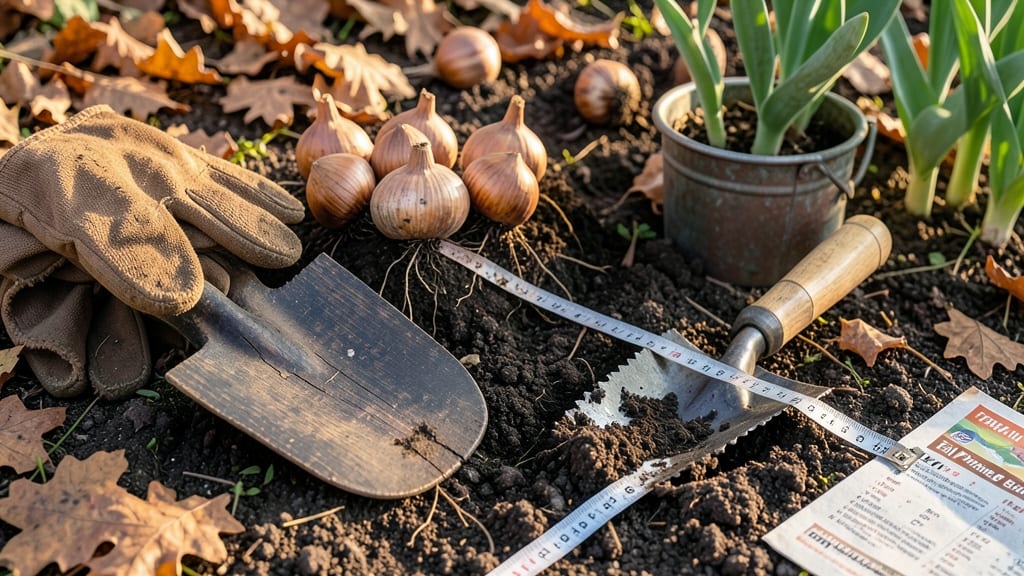
Planting tulip bulbs 🌷 at the wrong time in Illinois can turn your spring dreams into a soggy mess—bulbs that rot before they even get a chance to bloom.
The key to success lies in a narrow window between late September and early November, when soil temperatures drop but frost hasn't arrived yet.
Why does timing matter so much? Tulips need a period of cold dormancy to flower, but if you plant them too early, they'll sprout prematurely and get fried by the first frost.
In USDA Zones 5-6, like most of Illinois, this window is even tighter—missing it means bulbs that either fail to bloom or become a buffet for critters.
I'll walk you through the exact steps to plant your tulips in Illinois, including when to adjust for early or late frosts and how to tell if your soil is ready.
By the end, you'll know exactly when to dig in for a showstopping spring display—no guesswork, just foolproof timing.
From Chicago to St. Louis, every county has slightly different frost dates, and I'll help you pinpoint the perfect moment for your location. Ready to transform your garden into a tulip paradise? Let's get started.
Illinois tulip planting timeline by USDA hardiness zones (5-6)
Planting tulip bulbs in Illinois requires precision—especially since USDA Zones 5-6 experience early frosts that can ruin unprotected bulbs. The ideal window falls between 6-8 weeks before your area's first frost, but exact timing varies by county.
Chicago's Zone 5b demands earlier planting than St. Louis's Zone 6a, where slightly later dates work. Soil temperatures below 50°F (10°C) signal it's time to plant, but bulbs must establish roots before winter sets in.
Miss the window, and you risk premature sprouting (which freezes and dies) or bulbs that rot in soggy soil. Illinois gardeners often plant in October or early November, but your exact dates depend on local frost averages.
For example, Springfield (Zone 6a) can plant until late November, while Duluth (Zone 5a) must finish by mid-October. Always check your last frost date and count backward.
Here’s how to align your planting with Illinois’s USDA Zones 5-6—including soil temperature thresholds and frost-free deadlines:
Your soil temperature is the most critical factor—bulbs need 4–6 weeks to root before winter. Use a soil thermometer to confirm temps are below 50°F (10°C) before planting.
In Zone 5 areas like Chicago, this often means late September is the last safe window, while Zone 6 regions like St. Louis can wait until mid-November.
Pro tip: If your soil stays too warm (above 60°F/15°C), bulbs may sprout prematurely. Amend heavy clay soil with compost or sand to improve drainage—tulips
How to adjust planting time for early vs. late spring blooms
Want to control when your tulips bloom in Illinois? You can force early spring blooms or delay them for a late-season show by adjusting your planting strategy. The key lies in understanding how temperature fluctuations and soil conditions influence bulb dormancy.
For example, planting in late fall (November) typically yields blooms by mid-April, while winter planting can push flowers into late May.
In colder USDA Zone 5 areas like northern Illinois, timing matters even more. If you plant too early, bulbs may sprout before winter and freeze. Conversely, planting too late risks bulbs not establishing roots before dormancy. The solution? Use mulch and soil insulators to regulate temperature and protect your investment.
🌱 Illinois-Specific Tip:
In Chicago (Zone 5b), aim to plant tulip bulbs between October 15-30 for standard blooms. For early blooms, pre-chill bulbs in the fridge for 10-12 weeks before planting in September. In St. Louis (Zone 6a), extend your window to November 1-15 for late-season flowers.
To force early tulip blooms, start by pre-chilling bulbs indoors. Place them in a paper bag with moist peat moss and store at 35-40°F for 10-12 weeks. This mimics winter conditions, tricking bulbs into thinking they’ve already experienced dormancy.
Once sprouts appear (around February), plant them in well-draining pots under grow lights for a Valentine’s Day display.
For delayed blooms, try winter planting (December-January) in snow-covered soil. The cold ground insulates bulbs, preventing early sprouting. In Zone 6 areas like southern Illinois, you can even plant as late as January, though blooms will arrive 4-6 weeks later than usual.
Always use 3-4 inches of straw mulch to protect bulbs from temperature swings.
Protecting bulbs in cold zones is critical. Use straw or leaves as mulch after planting, adding an extra 2-3 inches once snow falls. In Zone 5, consider insulated bulb planters or bury bulbs under cardboard boxes filled with dry leaves before winter.
This creates a stable microclimate, shielding roots from freeze-thaw cycles.
Monitor your soil temperature with a thermometer—ideal planting conditions occur when soil reaches 40-50°F. In Illinois, this typically happens in October-November, but early November planting in Zone 6 can yield late May blooms.
Always plant bulbs 6-8 inches deep and 4-6 inches apart to prevent rot and competition.
Experiment with different varieties too! Darwin hybrid tulips bloom later than early single tulips, so adjust your timing accordingly. For a continuous bloom season, stagger plantings by 2-3 weeks. With these techniques, you’ll have tulips blooming from March to June—no matter your Illinois location! 🌷