
Plants
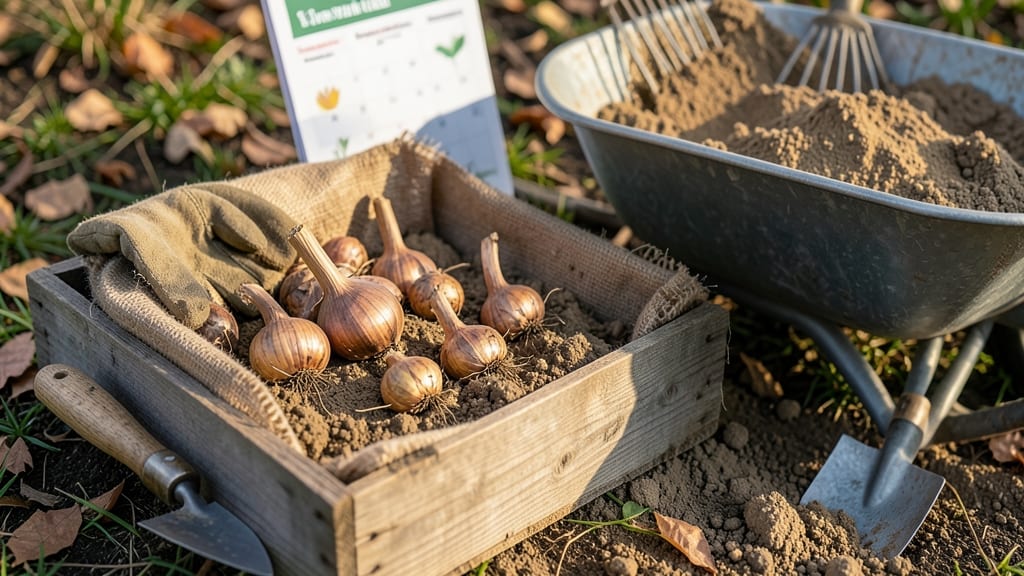
Planting tulip bulbs 🌷 in New Jersey at the wrong time can mean frozen roots or missed spring blooms—but get the timing right, and you’ll enjoy vibrant flowers for years.
The key is planting them in fall, when soil temperatures drop and frost approaches, giving roots time to establish before winter.
For New Jersey’s USDA Zone 6a, the ideal window is between October and November, about 4-6 weeks before the ground freezes. This timing ensures your tulips develop strong roots while avoiding the harshest winter conditions.
Coastal areas may have slightly later frost dates, but inland regions should plant earlier to stay ahead of frost.
Don’t wait until December—bulbs planted too late may not root deeply enough before winter sets in. Instead, focus on well-draining soil and proper depth (6-8 inches) to protect them from freeze-thaw cycles. With the right prep, your tulips will reward you with stunning spring blooms year after year.
Ready to set your garden up for success? Let’s break down the exact steps to plant tulip bulbs in New Jersey’s fall climate—so you can enjoy zero-frost survival and a showstopping spring display.
Optimal fall planting months for New Jersey tulip bulbs
New Jersey’s USDA hardiness zones 6b-7a create the perfect window for planting tulip bulbs in fall—just before the ground freezes. The key is timing: plant when soil temperatures drop to 50-60°F (ideal for root growth) but before the first hard frost.
This usually lands between mid-October and mid-November, but coastal areas like Cape May may extend planting into early December.
Why fall? Tulips need 6-8 weeks of cool soil to establish roots before winter dormancy. Planting too early (like September) risks rot, while waiting until December leaves bulbs vulnerable to freezing before rooting.
New Jersey’s average first frost arrives around November 15, so aim to finish planting by then.
Here’s the science behind the timing: Tulip bulbs require chilling at 35-45°F to bloom. Fall planting ensures they get this natural cold treatment over winter. In zone 6b (northern NJ), start by October 15. In zone 7a (southern NJ), you can push planting until November 1.
Microclimates matter in New Jersey! Inland areas like Morris County may see earlier frosts, while coastal regions like Atlantic City enjoy milder temperatures. For example, if you’re in zone 6b (e.g., Sussex County), start planting by October 1.
In zone 7a (e.g., Burlington County), you can wait until October 25.
Pro tip: Use a soil thermometer to check temperatures before planting. Aim for 50-60°F—warmer soil speeds up root growth, but cooler temps prevent rot. If your soil is too warm (above 60°F), wait a week or two.
If it’s too cold (below 40°F), your bulbs may not root before frost.
Don’t stress if you miss the ideal window! You can plant as late as December 1 in zone 7a, but expect smaller blooms next spring. The trade-off is worth it for coastal gardeners who love late-spring blooms like ‘Queen of Night’ tulips.
Remember: Well-draining soil is non-negotiable in New Jersey’s clay-heavy areas. Amend your soil with compost or sand to prevent bulb rot. Mulch with 2-3 inches of straw after planting to insulate bulbs through winter’s fluctuations.
Once planted, your tulips will reward you with vibrant spring blooms—just in time for New Jersey’s April showers. The secret? Perfecting your fall planting schedule to match Jersey’s unique climate zones and frost patterns.
For a foolproof schedule, mark your calendar for October 15 (zone 6b) or November 1 (zone 7a). With this timing, you’ll enjoy healthy roots and show-stopping tulips year after year. Happy planting! 🌷
Step-by-step guide to planting tulip bulbs in NJ’s fall
New Jersey’s fall climate creates the perfect window for planting tulip bulbs, but timing and technique matter. Whether you’re in coastal Cape May or inland Morristown, follow these steps to ensure your bulbs thrive through winter and bloom next spring.
The key to success is planting when soil temperatures drop to 50-60°F—ideal for root growth before the ground freezes. In most of NJ, this means late October to mid-November, but coastal areas can plant 2-3 weeks later due to milder winters.
- 📅 Choose the Right Time: Plant 4-6 weeks before your area’s first frost (typically mid-October to November 15 in NJ). Use a soil thermometer to confirm 50-60°F soil temps.
- 🌱 Prep Your Soil: Loosen soil to 12 inches deep with a garden fork. Mix in 2-3 inches of compost or aged manure for drainage and nutrients. Coastal areas may need sand amendments to prevent soggy soil.
- 🔧 Plant at the Right Depth: Dig holes 6-8 inches deep (about 3x the bulb’s height). Place bulbs pointy end up, spacing them 4-6 inches apart for standard varieties or 3 inches apart for dwarf types.
- 💧 Water Thoroughly: After planting, water deeply to settle soil and encourage root growth. Aim for 1 inch of water per week until the ground freezes. Avoid overhead watering to prevent fungal risks.
- 🌿 Mulch for Protection: Apply 2-3 inches of mulch (straw or shredded leaves) after planting. In inland NJ, use 4 inches of mulch to insulate bulbs from freeze-thaw cycles. Remove mulch in early spring to prevent rot.
- ☀️ Select the Perfect Spot: Choose a location with full sun (6+ hours daily). Coastal gardens benefit from afternoon shade to reduce windburn. Avoid low-lying areas where water pools.
- 🌱 Post-Planting Care: Let foliage yellow naturally after blooming to feed the bulb. Fertilize lightly in early spring with a balanced 10-10-10 fertilizer to promote next year’s blooms.
For coastal NJ gardeners, prioritize well-draining soil to handle winter rains. Inland areas should focus on insulation—add extra mulch if your region experiences harsh freeze-thaw cycles. Both microclimates benefit from planting in raised beds if your native soil is heavy clay.
Pro tip: Mark your tulip beds with bamboo stakes after planting to avoid disturbing the bulbs in spring. This simple step saves time and prevents accidental digging into your future blooms!
With these steps, your tulip bulbs will establish strong roots before winter, ensuring bold, vibrant blooms next spring—no matter where you garden in NJ. Happy planting! 🌷