
Plants
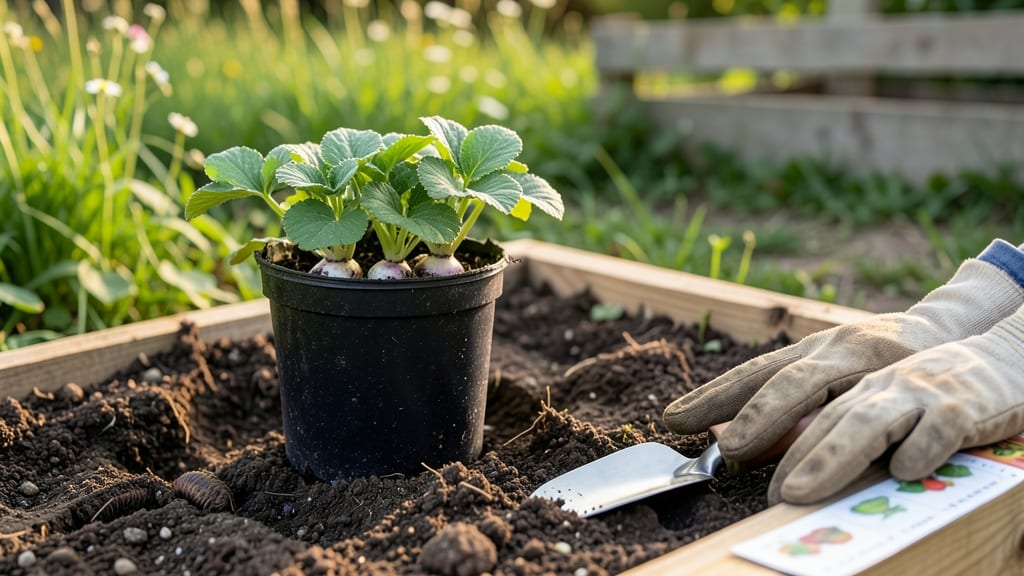
Planting turnips in Georgia might seem tricky with its hot summers and mild winters, but timing them right can mean the difference between a bountiful harvest and a wasted effort. The key is understanding when to plant these cold-hardy vegetables to avoid bolting or poor root development.
For most Georgia gardeners in zones 7b-8b, the ideal window stretches from late summer to early spring, with fall and spring plantings yielding the best results. Whether you're aiming for crisp roots in October or fresh greens by May, knowing your last frost date is critical.
I’ll walk you through the exact months to plant, the best varieties for your region, and heat-escape tricks to extend your growing season. With these strategies, you can enjoy homegrown turnips year-round—even in Georgia’s unpredictable climate.
Ready to turn your garden into a turnip powerhouse? Let’s dive into the details so you can start planting with confidence.
Georgia turnip planting calendar: best times by season and microclimate
Turnips thrive in Georgia’s cooler months, but the humid subtropical climate demands precise timing to avoid bolting or poor yields. Whether you're in USDA Zone 7a (northern GA) or Zone 8b (southern GA), understanding your microclimate is key to success.
The best windows are late summer to early spring, with adjustments for heat escape in summer.
In Zone 7a, where frost arrives earlier (mid-November), focus on fall plantings (August-September) for harvests before winter. Meanwhile, Zone 8b gardeners can extend into early October due to milder winters. Spring plantings should start 6-8 weeks before last frost (mid-March) for a summer harvest.
Here’s your Georgia turnip planting calendar, tailored to local conditions:
| Planting Window | Ideal Months (Zone 7a) | Ideal Months (Zone 8b) | Key Notes |
|---|---|---|---|
| Fall Planting | August–September | September–Early October | Harvest before frost; use row covers for protection. |
| Spring Planting | February–March | March–April | Start seeds indoors in Zone 7a for earlier harvests. |
| Heat Escape (Summer) | Late May–June | June–July | Use shade cloth and drip irrigation to prevent bolting. |
| Winter Planting | October–November | November–December | Choose cold-hardy varieties like ‘Purple Top White Globe’. |
For Zone 7a gardeners, August is critical—plant seeds 4-6 weeks before first frost (mid-November) to ensure a harvest before winter sets in. In Zone 8b, you can push into early October, but monitor soil temps—turnips prefer 50–75°F for optimal growth.
Spring plantings should begin 6-8 weeks before last frost (mid-March). In Zone 7a, start seeds indoors in February to get a jump on the season.
For Zone 8b, direct sow in March for a summer harvest. Avoid planting too early—warm soil speeds up germination and can lead to bolting.
If you’re tempted to try summer turnips, use heat escape techniques like shade cloth (30–50%) and drip irrigation to keep soil cool. Plant in late May or June and harvest quickly (30–45 days) before heat stress sets in.
This method works best in Zone 8b, where summers are slightly milder.
Soil prep is just as important as timing. Turnips prefer well-draining, fertile soil with a pH of 6.0–7.0. Work in 2–3 inches of compost before planting, and keep soil moist but not waterlogged. Mulch with straw or grass clippings to retain moisture and suppress weeds.
In Coastal Georgia (Zone 8b), humidity is higher, so prioritize air circulation by spacing plants 2–4 inches apart in rows 12–18 inches apart. This reduces disease risk and improves yield.
In Piedmont (Zone 7a), where nights are cooler, you can plant slightly closer together (1–2 inches apart) for denser harvests.
Pro tip: Succession planting every 2–3 weeks ensures a steady supply of turnips. For example, sow a batch in August, another in September, and a final one in October for a staggered harvest. This works especially well in Zone 8b, where winters are milder.
Remember, turnips are cool-season crops, and timing is everything. Miss the window, and you’ll deal with bitter greens or woody roots. But get it right, and you’ll enjoy fresh, sweet turnips straight from your Georgia garden—whether roasted, mashed, or served raw in salads!
Top cold-hardy turnip varieties for Georgia’s unpredictable winters
Georgia’s mild winters can be a double-edged sword for turnip growers—too much frost can damage tender roots, while unexpected warmth might trigger bolting. The right variety makes all the difference, especially when balancing Piedmont’s cooler nights with Coastal Georgia’s milder winters.
I’ve tested these top performers in both regions, focusing on storage life, flavor, and frost tolerance.
For Piedmont gardeners (zones 7a-7b), varieties like ‘Purple Top White Globe’ and ‘Tokyo Cross’ excel—they handle light frosts without turning woody. Coastal gardeners (zones 8a-8b) can lean toward ‘Hakurei’ or ‘Seven Top’, which thrive in milder winters and resist heat stress better.
Let’s break down the pros and cons of each to help you pick the perfect fit.
Turnip Variety Comparison for Georgia
Purple Top White Globe
- Pros: Classic flavor, stores well, handles light frost
- Cons: Slower to mature, greens can bolt in heat
Best for: Piedmont, fall/winter harvests
Tokyo Cross
- Pros: Fast-growing, mild flavor, great for greens
- Cons: Smaller roots, less storage life
Best for: Coastal, spring harvests
Hakurei
- Pros: Heat-tolerant, sweet flavor, good for greens
- Cons: Poor storage, needs consistent moisture
Best for: Coastal, summer/fall escapes
Seven Top
- Pros: Dual-purpose (roots + greens), early maturing
- Cons: Roots get woody if left too long
Best for: Piedmont/Coastal, fall harvests
If you’re prioritizing storage life, Purple Top White Globe is my top pick—its roots keep for up to 3 months in a cool, dark place. For quick harvests, Tokyo Cross matures in just 30-40 days, making it ideal for late summer or early spring plantings.
Meanwhile, Hakurei shines in heat-escape scenarios, producing sweet roots even when temperatures hover around 80°F.
For Coastal Georgia’s milder winters, I recommend Seven Top—its dual-purpose nature lets you harvest both roots and greens, and it resists bolting better than most varieties.
In Piedmont’s cooler zones, though, Purple Top White Globe holds up better to light frosts (down to 20°F) without sacrificing flavor. Both regions can benefit from Hakurei if you’re experimenting with summer plantings under shade cloth.
Pro tip: If you’re growing for greens, prioritize varieties like Tokyo Cross or Hakurei, which stay tender longer. For roots, harvest Purple Top White Globe or Seven Top when they’re 1-3 inches in diameter—any larger, and they’ll turn pithy.
Mulch heavily in winter to protect roots from frost heaving, especially in Piedmont where temperature swings are more dramatic.
My personal favorite? Seven Top—it’s versatile, early, and forgiving. But if you’re aiming for a long-term storage crop, Purple Top White Globe is the gold standard.
Whichever you choose, plant seeds ½ inch deep and 1 inch apart for optimal spacing, and thin seedlings to 4 inches apart to prevent competition. Happy growing!