
Plants
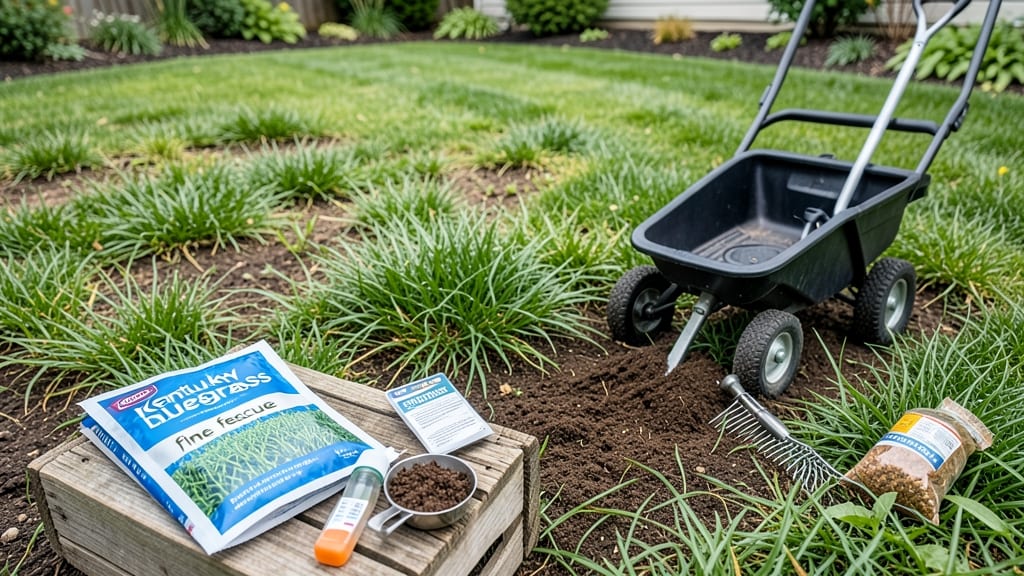
When is it too late to plant grass seed in Massachusetts? If you’re still holding onto that bag after mid-September, you’re flirting with Mother Nature—and let’s be honest, you don’t want to end up with a winter brownout. The last frost typically hits around October 15, but soil temperatures and local microclimates can shift those deadlines by weeks.
You’ve got options if you’re still holding onto that grass seed bag, but timing is everything. In zones 5b-7a, fast-germinating varieties like tall fescue can still take root if planted 4-6 weeks before frost.
But push it past early October, and you’re playing a risky game with unpredictable weather patterns.
Here’s the game-changer: checking your local frost dates and soil temps isn’t just smart—it’s essential. A quick call to your UMass Extension office or a glance at the National Weather Service can save you from a failed lawn.
Let’s break down exactly when to plant, what to watch for, and how to salvage a late-season project.
Whether you’re prepping a new yard or repairing bare patches, knowing your last safe planting window means the difference between lush green and winter regret. Stick with me, and I’ll show you how to time it right—no guesswork involved.
Massachusetts frost dates by zone: your grass seed planting deadline
Massachusetts spans USDA Zones 5b through 7a, and each zone has its own last safe planting window for grass seed. The golden rule? Soil must stay above 50°F (10°C) for at least 4-6 weeks after planting to allow roots to establish.
Frost can kill tender seedlings overnight, so timing matters more than you might think.
For most of Massachusetts, the ideal planting window is between early April and mid-September. But if you're planting cool-season grasses like Kentucky Bluegrass or Tall Fescue, late summer/early fall (August-September) is actually better than spring. Here’s how to pinpoint your exact deadline based on your zone.
🌱 PRO TIP: Check soil temps with a soil thermometer—if it’s below 50°F, even late-season varieties won’t germinate reliably. Most garden centers don’t sell these, but they’re worth the $10 investment for precision.
If you’re in Zone 5b (Western MA), the clock runs out fastest—by September 15, you’re gambling with frost. The Cape Cod region (Zone 7a) has the longest window, but even there, planting after October 15 risks seedling death before roots establish.
Always check the National Weather Service for your local 10-day frost forecast before planting.
For late-season success, focus on soil prep first. Loosen compacted soil with a garden rake to improve drainage, and mix in compost to warm the soil faster. A thin layer of straw mulch (not hay!) after planting can insulate seeds from temperature swings at night.
I’ve seen cool-season grasses survive light frosts if they’ve had 4-6 weeks of growth first. But if your seeds are still white or yellow when frost hits, they’re toast. Always err on the side of caution—better to wait a week than lose your investment to 50°F nights.
Need a backup plan? If you miss the window, consider overseeding with winter ryegrass in late fall—it germinates quickly and protects your soil until spring. Just don’t count on a lush lawn until next year.
For real-time updates, bookmark the UMass Extension Lawn Calendar—they adjust deadlines yearly based on local weather patterns. 🌱
Signs it’s too late to plant grass seed in Massachusetts (and what to do instead)
If you're staring at your calendar and wondering whether to rush out and plant grass seed, listen to your soil and weather first. In Massachusetts, the ideal window for cool-season grasses like Kentucky Bluegrass or Fescue closes fast—typically by mid-to-late September in most regions.
But what happens if you miss it? The signs are clear, and the solutions are practical.
First, check your soil temperature. Grass seeds need the ground to stay above 50°F for at least 4-6 weeks to germinate properly. If your soil dips below this, your seeds will either rot or lie dormant until spring—if they survive at all.
Use a soil thermometer to test; if it’s consistently below 50°F, it’s time to pivot.
⚠️ callout warning ⚠️
🌡️ Too Late to Plant? Watch for These Red Flags
- Soil temps below 50°F for 3+ days
- Frost warnings in your 10-day forecast
- Seeds sitting unwatered for over 48 hours
- Grass growth stalls after 2 weeks (if already planted)
⚠️ Action Step: Shift to overseeding or winter cover crops like ryegrass to protect soil and improve spring conditions.
Don’t panic if you’ve already planted and see slow germination or pale seedlings. Cold snaps can delay growth, but if your grass is still green and upright, it’s likely toughing it out.
The real risk comes when frost kills new shoots before they establish roots. To help, mulch lightly with straw (not wood chips) to insulate seeds and retain warmth.
If you’ve missed the window entirely, consider overseeding in early spring instead. Focus on cool-season grasses like Tall Fescue, which germinates faster in 55°F+ soil.
For now, till in compost or plant a winter cover crop like winter rye to prevent erosion and improve soil health for next year’s lawn.
For immediate results, lay down sod in spring instead of seeding. Sod establishes roots within days, giving you a full lawn by summer. Pair this with a spring fertilization plan (like a 10-0-10 NPK blend) to jumpstart growth.
Meanwhile, mark your calendar for March 15-April 15—that’s your next best shot for seeding.
Remember, Massachusetts’ microclimates vary wildly. Coastal areas like Cape Cod may have 2-3 extra weeks of planting time, while inland zones like Zone 5b (e.g., Worcester) freeze earlier. Check your local USDA zone and frost date averages to adjust your timeline accordingly.