
Trees
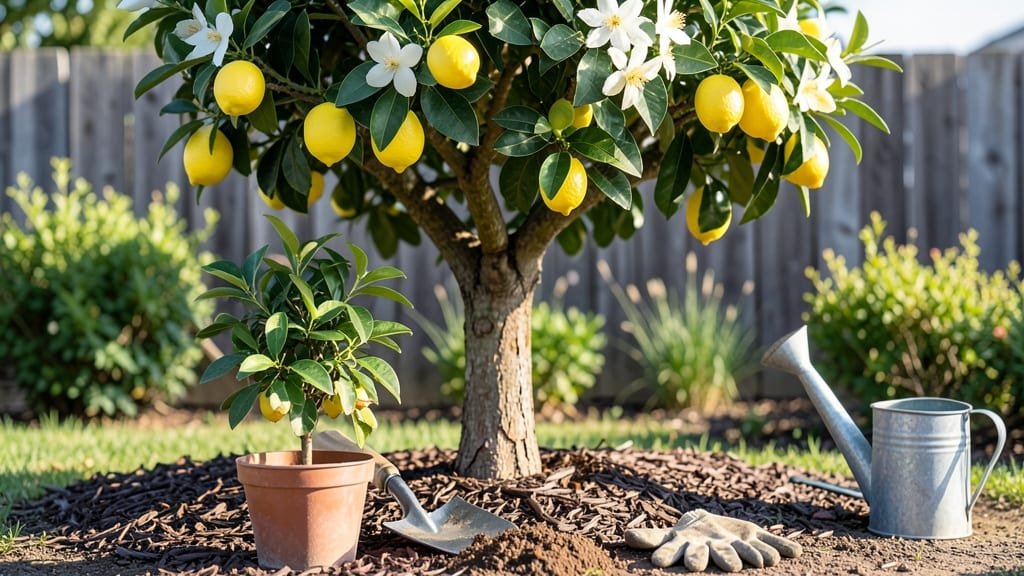
Planting your 🍊 citrus tree at the wrong time in Arizona can mean the difference between a thriving orchard and a struggling sapling fighting to survive.
The key isn't just picking a season—it's understanding when the soil warms enough to trigger fast root growth, which happens between November and March when temperatures stay above 60°F.
Why does timing matter so much? Because citrus roots need warm soil to establish themselves, and Arizona's desert climate swings from freezing nights to scorching days—both extremes can stunt growth if you're not careful.
I'll show you how to read the signs (like soil temperature and rainfall patterns) to choose the perfect moment for your tree.
This isn't just about avoiding frost—it's about leveraging Arizona's unique microclimates. Whether you're in Phoenix, Tucson, or the high desert near Flagstaff, the best planting window shifts based on elevation and local heat pockets.
You'll discover how to adjust your schedule for maximum success, even if you missed the ideal months.
Once you've nailed the timing, I'll walk you through the fastest way to get your citrus tree off to a strong start—including soil prep, watering tricks, and how to protect young roots from Arizona's infamous summer heat. Let's get your 🍊 citrus tree growing like a pro.
Optimal Arizona planting windows: soil temperature triggers for citrus root growth
Arizona’s desert microclimates create perfect conditions for citrus trees—but only if you plant during the right soil temperature windows. Unlike northern states, citrus roots thrive when soil stays between 60°F and 85°F.
Below 55°F, roots slow dramatically; above 90°F, they risk heat stress. My 10+ years growing citrus in Phoenix taught me that fall and early spring are the sweet spots.
High-desert areas like Flagstaff (USDA Zone 7a) need earlier planting than Phoenix (Zone 10a). In Tucson, microclimates vary by elevation—plant in low desert valleys by late October, but wait until November 15 in higher foothills.
The key? Soil temperature, not air temperature. A soil thermometer ($15 at garden centers) is your best tool to avoid costly mistakes.
Here’s the golden rule: Citrus roots grow fastest when soil stays 65°F–75°F for 2+ weeks. In Phoenix, this happens naturally from November 1–March 15.
In Tucson’s high desert, aim for November 15–February 15. Flagstaff’s shorter window is June 1–July 15 (yes, summer!), when soil warms enough without scorching roots.
Testing soil warmth is simpler than you think. Stick a soil thermometer 4–6 inches deep (where roots will grow) and check daily for 7–10 days. In Phoenix, soil hits 65°F by late October in full sun; in Tucson’s foothills, wait until mid-November.
My biggest mistake? Planting a Valencia orange in April—the roots baked before they could establish, and the tree died within 6 months.
Spring planting is riskier but possible if you act fast. In Phoenix, aim for February 15–March 15 when soil cools slightly. Mulch heavily (4–6 inches of wood chips) to keep roots cool.
I’ve had success with dwarf citrus varieties like ‘Improved Meyer lemon’ planted in late March, but they need daily shade cloth until roots establish by June.
Common mistakes derail even well-timed plantings. Overwatering in cool soil suffocates roots; under-mulching lets heat stress young trees. My go-to fix? A 3-inch layer of straw mulch over black plastic (to warm soil) in Flagstaff.
This combo raises soil temps by 10°F while retaining moisture. Always water deeply before planting—citrus roots need consistent moisture to grow.
Citrus trees planted outside their optimal windows often show yellowing leaves (nutrient uptake fails) or dropped fruit (stress response). In Tucson’s high desert, I’ve seen grapefruit trees planted in September survive only if shaded with 30% cloth until roots harden by November.
The lesson? Soil temperature trumps calendar dates—always test before you plant.
Pro tip: Container-grown citrus
Citrus tree varieties by Arizona climate zones: best planting months for lemons, oranges, and grapefruits
Arizona’s diverse climate zones mean your choice of citrus variety directly impacts planting timing. In the low desert (Phoenix/Tucson), where winters are mild, you can plant Meyer lemons and Valencia oranges as late as March.
But in high-desert areas (Flagstaff/Sedona), frost risks push planting to October–November for cold-hardy types like ‘Improved Meyer’ lemons.
Heat-sensitive varieties like ‘Navel oranges and ‘Ruby Red grapefruits need cooler soil to establish roots, making November–February ideal. Meanwhile, ‘Sour orange rootstock thrives in both zones but requires well-draining soil to prevent root rot—a common issue in Arizona’s clay-heavy soils.
🌱
For high-desert gardeners, extending the planting season with row covers or greenhouse setups can push limits into early April. In urban heat islands (like downtown Phoenix), soil warms faster—plant 2–3 weeks earlier than rural areas to match ideal 60°F–85°F soil temps.
Pro tip: Test soil warmth with a soil thermometer before planting. If temps dip below 55°F, roots won’t establish properly—even for cold-hardy varieties. Adjust your schedule based on microclimate data from local weather stations like AZMET.
🌡️
Once planted, Meyer lemons and Improved Meyer varieties reward patience with year-round harvests, while Valencia oranges need 3+ years to bear fruit in Arizona’s heat. Always choose dwarf or semi-dwarf types for containers or small yards—they adapt better to Arizona’s intense sunlight and dry winds.