
Trees
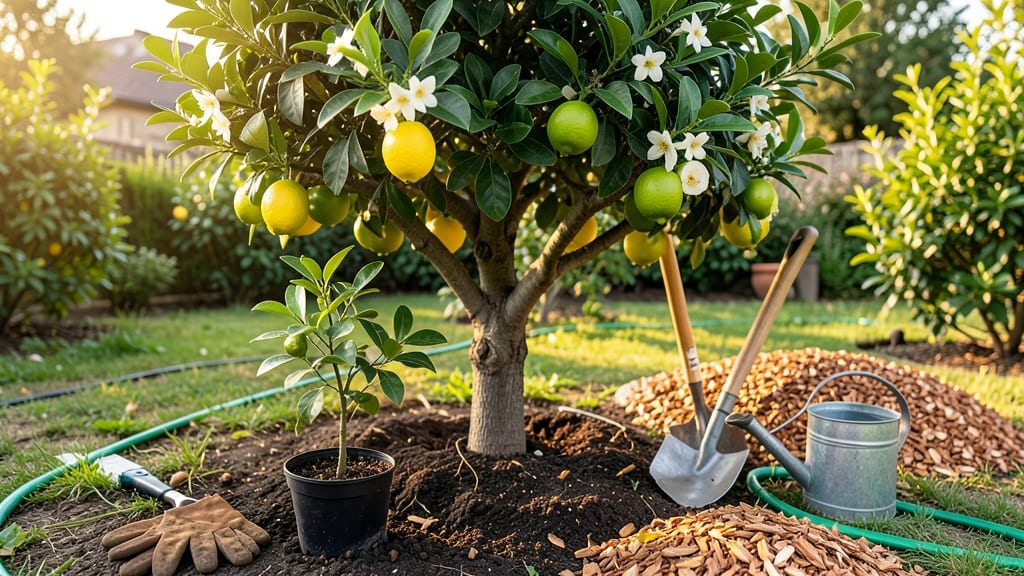
Planting a citrus tree 🍊 in Arizona isn't just about grabbing a sapling and sticking it in the ground—it's a delicate timing game that can mean the difference between a thriving orchard and a sad, frost-killed specimen.
The key window runs from November through March, but even then, your exact timing depends on whether you're in Phoenix's heat or Flagstaff's chilly high desert.
Why does this matter? Because Arizona's rare but dangerous frosts can strike as late as January, while summer heat can fry young roots if you plant too early. I've seen firsthand how a tree planted in October might survive in Tucson but shrivel in Prescott—same species, different microclimates.
In this guide, I'll break down the exact science behind planting citrus by region, including when to prep your soil and how to protect your tree from unexpected cold snaps.
Whether you're growing Meyer lemons in your backyard or Satsuma mandarins in containers, these timing secrets will give your citrus the best shot at survival—and delicious fruit year-round.
Let's get started with the most critical months for your specific Arizona zone and how to adjust for your citrus variety's cold tolerance. Spoiler: There's a reason why November is the gold standard for most gardeners down here.
Optimal planting months for Arizona citrus trees by microclimate zone
Arizona’s three distinct microclimates—Low Desert (Phoenix/Tucson), Mid Desert (Prescott/Sedona), and High Desert (Flagstaff)—each demand unique timing for citrus trees. The key is planting when soil temperatures stay above 60°F and frost risk is minimal.
In the Low Desert, citrus thrives year-round, but the coolest months (November–March) offer ideal conditions for root establishment before summer heat arrives.
For the Mid Desert, where temperatures dip below freezing, the window narrows to late October through December. Here, choosing cold-hardy varieties like 'Satsuma' mandarins is critical, as even brief frosts can kill tender citrus.
The High Desert’s short frost-free season (typically May–October) makes container growing the safest option, with planting delayed until late spring after last frost dates.
Soil temperature thresholds are non-negotiable: roots won’t establish below 55°F. Use a soil thermometer to verify—planting too early in cooler zones risks stunted growth or death. In Phoenix, for example, soil temps drop below 60°F in January–February, so December is the sweet spot for transplanting.
Here’s a breakdown of the optimal planting windows by region, including frost risk data and soil temperature guidelines to ensure your citrus tree survives Arizona’s extremes:
In the Low Desert, where frost is rare, the November–March window aligns with cooler temps and lower evaporation rates, giving roots time to establish before summer’s 110°F+ heat.
For Phoenix gardeners, avoid planting in April or October, as summer’s intensity can shock young trees. Instead, prioritize afternoon shade and deep watering to mitigate heat stress.
The Mid Desert’s shorter growing season demands urgency—plant by mid-December to avoid winter cold snaps. Use mulch (4–6 inches) to insulate roots and protect against temperature swings. If planting in November, monitor forecasts for early frosts and prepare frost cloths or row covers for young trees.
For the High Desert, container growing is non-negotiable. Plant in late May after the last frost (typically May 15 in Flagstaff) and move pots to protected areas (garages, greenhouses) when nighttime temps drop below 40°F.
Dwarf varieties like Meyer lemons tolerate cooler temps better than standard trees, but even they need winter protection.
Pro tip: In all regions, acclimate bare-root trees for 1–2 weeks before planting by soaking roots in water or a rooting hormone. This jumpstarts hydration and reduces transplant shock. For potted citrus, gradually harden off container-grown trees by exposing them to outdoor conditions over 7–10 days before permanent placement.
Remember, Arizona’s USDA Zone 9b classification is a starting point—microclimates vary wildly. Check your local Cooperative Extension Service for hyper-local frost data. With the right timing, your citrus tree will thrive year-round, rewarding you with homegrown fruit even in the desert’s harshest conditions. 🌱🍊
How to adjust planting timing for citrus varieties with different cold tolerances
Arizona’s citrus varieties range from frost-hardy types like 'Satsuma' mandarins (tolerating 20°F dips) to tender varieties like 'Meyer' lemons, which die below 28°F. Your planting window must align with these cold tolerance limits—especially in cooler microclimates like Flagstaff.
For coastal areas (e.g., Yuma), November–January is ideal—mild winters protect tender citrus, while inland regions (e.g., Phoenix) can extend planting to February before desert heat arrives. High Desert zones (e.g., Prescott) demand earlier planting (October–November) to avoid winter cold.
🌱
Frost-Hardy Citrus vs. Tender Varieties
- Examples: 'Satsuma', 'Rubidoux'
- Cold Tolerance: 20–25°F
- Planting Window: Oct–Dec
- Microclimate: High Desert
- Windbreak Needed: Yes (e.g., straw bales)
- Examples: 'Valencia', 'Meyer'
- Cold Tolerance: 28–32°F
- Planting Window: Nov–Jan
- Microclimate: Low/Mid Desert
- Windbreak Needed: Critical (e.g., frost cloth)
In coastal Arizona (e.g., Tucson), windbreaks like bamboo fences or dense shrubs shield citrus from chilly ocean breezes. For inland areas, prioritize south-facing walls to absorb heat and delay frost exposure. Container growing adds flexibility—move potted trees indoors (60°F+) during January–February cold snaps.
For 'Satsuma' mandarins, October planting in Flagstaff gives roots time to harden before December frosts. Meanwhile, 'Meyer' lemons in Phoenix thrive when planted in January, avoiding both summer heat stress and late-winter cold.
Always check 30-day forecasts before planting—unpredictable cold snaps can turn a safe window deadly.
Use mulch (4–6 inches) to insulate roots, and avoid overhead watering before frost—wet foliage freezes faster. If your area experiences below-30°F temps, consider dwarf varieties like 'Calamondin', which recover more easily. Rootstock choice matters too: 'Swingle' citrumelo enhances cold resistance in tender citrus.
🌿