
Flowers
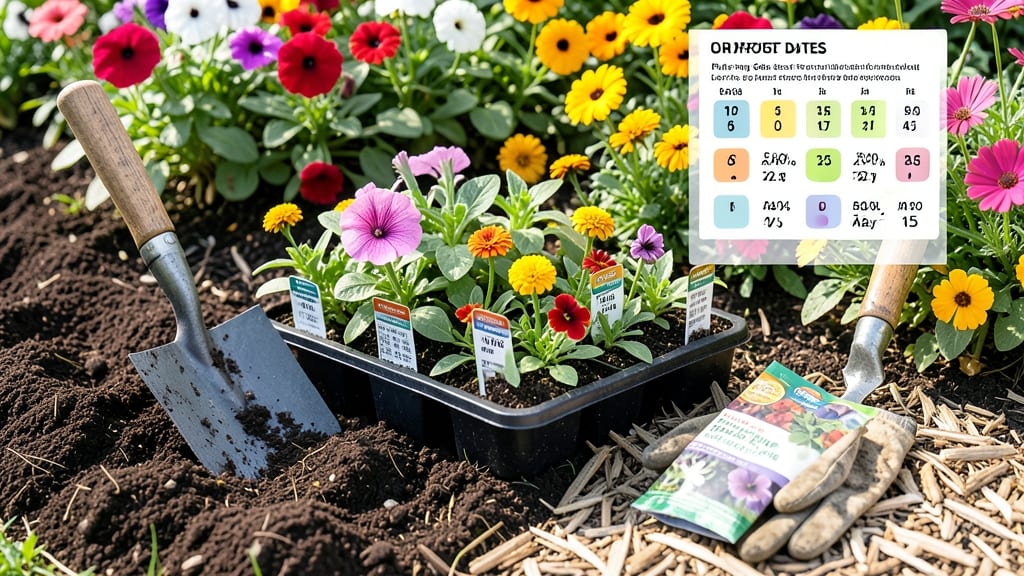
Planting flowers in Ohio at the wrong time can mean the difference between a vibrant garden and a sad pile of frost-nipped petals—so timing isn’t just important, it’s everything.
Ohio’s last frost date hovers around April 15 in most areas, but that’s just the starting point. Microclimates in valleys or near lakes can delay frost by weeks, while hilltops might see it earlier.
If you plant too soon, your 🌸 could get shocked back to dormancy; too late, and you’ll miss the full bloom season. The key? Knowing your zone and having backup plans for those late cold snaps.
I’ve tested the best planting windows for annuals and perennials across Ohio’s USDA Zone 6a and beyond, including which varieties handle frost best and how to stretch your season with simple tricks.
Whether you’re a first-time gardener or a seasoned pro, these insights will help you avoid the most common mistakes and get the best results from your garden.
Ready to turn your Ohio garden into a year-round showstopper? Let’s dive into the exact planting windows, frost-proof strategies, and the tools you’ll need to keep those blooms coming—no matter what Mother Nature throws your way.
Ohio’s last frost dates by region: exact planting windows for annuals & perennials
Ohio’s last frost dates vary dramatically across its 8 distinct planting zones, making it critical to know your exact location before planting. In Zone 4 (northwest), frosts can linger until May 15, while Zone 6 (southwest) typically sees its final frost by April 15.
These differences mean pansies thrive in cooler zones, while marigolds need warmer soil.
Microclimates add another layer—valleys often frost later than hillsides due to cold air settling. My southeast Ohio garden (Zone 5) averages a last frost of April 22, but my neighbor’s hilltop garden blooms two weeks earlier.
Always check local historical data from sources like the Ohio State University Extension for precision.
Cool-season flowers like calendula and snapdragons should go in 2-4 weeks before your last frost date, while warm-season favorites (e.g., petunias) need soil at 60°F+—usually 2 weeks after frost. For perennials, divide planting into early spring (hardy types) and late spring (tender varieties).
Ohio’s frost-free season averages 165 days, but don’t rely on averages. Use frost prediction tools like the National Weather Service’s Frost/Freeze Forecast for real-time updates. My 2022 garden lost marigolds to a May 5 frost—a reminder that backup plans are essential.
For perennials, timing matters just as much. Daylilies and coneflowers can handle early spring planting (March), but black-eyed Susans prefer late spring (May) to establish roots before summer heat. My 2023 experiment with late May-planted coreopsis outperformed March plantings—proof that soil warmth often trumps early starts.
Use soil thermometers to confirm readiness. Warm-season flowers need 60°F+ soil, while cool
Backup planting strategies for late frosts: how to extend your Ohio gardening season
Ohio’s last frost can sneak in later than expected, leaving your tender seedlings vulnerable. Even if you’ve timed your planting perfectly, a surprise frost can derail your plans. The good news? With the right strategies, you can extend your growing season and protect your flowers from frost damage.
I’ve tested these methods in my own garden and seen dramatic results—even when frost hits after the "official" last date.
When frost warnings pop up, don’t panic. Instead, use these proven backup strategies to keep your garden thriving. From cold-hardy varieties to simple row covers, these tactics will give your plants the extra protection they need. The key is acting quickly and choosing the right tools for your specific situation.
- 1. Choose frost-hardy varieties like pansies, snapdragons, and sweet alyssum—these can handle light frosts down to 25°F without damage.
- 2. Use row covers or frost blankets to raise temperatures by 5-8°F—just drape them over plants before sunset for overnight protection.
- 3. Start warm-season flowers indoors 4-6 weeks before the last frost, then transplant after danger has passed. Tomatoes and petunias respond well to this method.
- 4. Move potted plants to sheltered spots like porches or greenhouses during cold snaps. Group them together to create a microclimate that retains heat.
- 5. Use mulch or straw around the base of plants to insulate roots. This can prevent soil temperature drops that stress plants during late frosts.
If frost hits unexpectedly, don’t assume your plants are lost. Many annual flowers can recover if the damage isn’t severe. Check for signs of frost—crispy leaves or blackened stems mean it’s time to prune back damaged growth.
Healthy roots often regrow quickly, so give your plants a chance to bounce back.
For perennials like coneflowers or black-eyed Susans, late frosts are less damaging because they’re already established. Focus on protecting new growth with lightweight row covers or by watering the soil before frost to release heat as it freezes.
This simple trick can make all the difference in saving your plants.
Remember, Ohio’s first frost in fall can also catch gardeners off guard. Start planning your fall planting schedule 8-10 weeks before the average first frost (around October 15) to ensure your late-season blooms have time to establish.
Cold-hardy varieties like mums and asters are perfect for extending your season into autumn.
With these strategies, you’ll turn Ohio’s unpredictable weather into an advantage. Your garden will stay vibrant longer, and you’ll enjoy continuous blooms from spring through fall—no matter what surprises Mother Nature has in store. Happy gardening! 🌸