
Plants
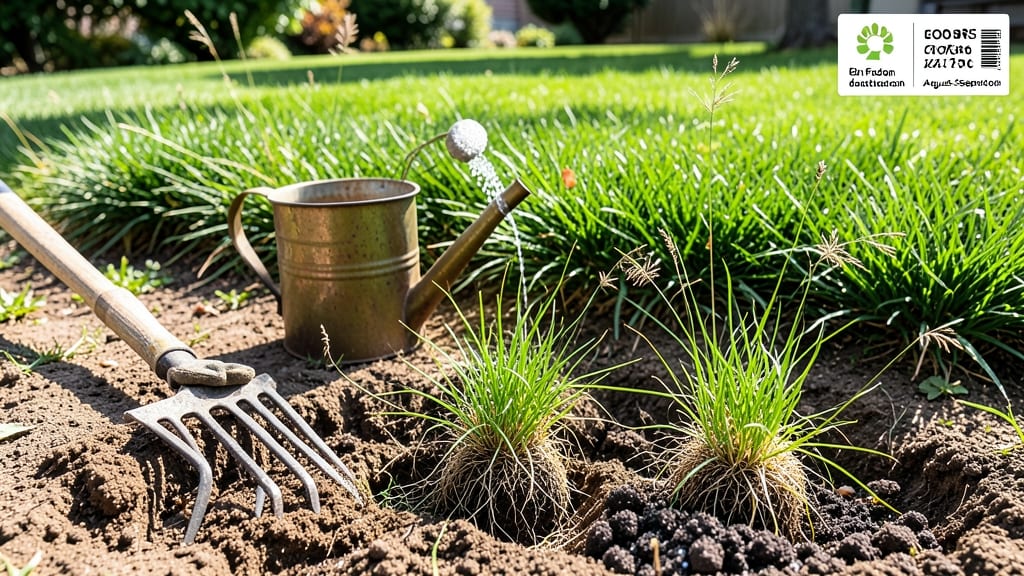
Planting the best time to plant grass in Georgia at the wrong time can mean the difference between a lush, green carpet and a patchy, struggling mess—especially when you're dealing with 7b to 8b zone extremes.
The key isn't just picking a season; it's timing it right with soil temperatures and frost-free windows to give your 🌱 Grass (Turfgrass) the best shot at thriving.
Most Georgia gardeners assume spring is the only option, but late summer and early fall often deliver better results—when the heat cools just enough for seeds to sprout without wilting.
I’ve seen firsthand how a few weeks’ difference can transform a lawn from "meh" to "wow," and it all comes down to knowing when the ground is ready.
In this guide, I’ll break down the exact soil temps and regional quirks (Coastal vs. Piedmont vs. Mountain) that make or break your planting success. You’ll learn how to test your soil, avoid common mistakes, and even extend your planting window with the right grass types for Georgia’s climate.
Whether you're seeding a new yard or overseeding an old one, these insights will help you skip the guesswork and get that perfect green lawn without wasting time, money, or effort. Let’s get started.
Georgia’s ideal grass planting window by soil temperature & region
Timing your grass planting in Georgia isn’t just about the calendar—it’s about soil temperature and your specific region’s microclimate. The Peach State’s diverse zones (Coastal, Piedmont, Mountain) create 3 distinct planting windows, each with ideal 60–75°F soil temps for germination.
Missing this window? You risk frost damage or heat stress, both of which can kill new grass before it establishes.
Most Georgia gardeners achieve the best results planting in late summer to early fall (August–September), when daytime highs cool slightly and soil stays warm long enough for seeds to sprout.
This 6-week window gives grass roots time to develop before winter dormancy sets in. But don’t overlook late spring (April–May) as a secondary option for cool-season grasses like tall fescue.
To test if your soil is ready, use a soil thermometer (insert 2–4 inches deep) or the back-of-hand rule: if the soil feels warm but not hot (like a freshly baked cookie), it’s in the 60–75°F range.
Coastal areas often hit this zone 2 weeks earlier than Mountain regions, so adjust accordingly. Mountain counties may need to wait until late September to avoid early frost risks.
For warm-season grasses (like Bermuda or Zoysia), fall planting is non-negotiable—these varieties go dormant in winter and need 6–8 weeks to establish roots before cold sets in. Cool-season grasses, however, can handle late spring planting if you’re quick: aim to finish by May 15 to avoid summer heat stress, which dries out seedlings faster than you can water.
Pro tip: If you’re in the Piedmont region and plant in early September, you’ll catch the sweet spot—warm soil for germination but cooling air temps that reduce water evaporation.
This means less daily watering (just 1 inch per week) and stronger root growth before winter. Mountain gardeners, on the other hand, should prioritize late September to avoid early October frosts, which can kill new grass in 24 hours.
Don’t assume your backyard’s microclimate matches your region’s average. A south-facing slope in the Piedmont may warm up 5–10°F faster than a north-facing yard, creating a mini-Coastal-like zone.
Test your soil in multiple spots and adjust your planting date if needed. Shady areas (even in full-sun regions) may need shade-tolerant grasses like fine fescue, which germinates best in
How to avoid common grass planting mistakes in Georgia’s climate
Planting grass in Georgia’s unpredictable climate can turn into a costly mistake if you don’t time it right. Cool-season grasses like fescue struggle in summer heat, while warm-season types like Bermuda need perfect soil temps to thrive.
I’ve seen many gardeners rush planting in late winter only to watch their seed wash away during sudden rain—or plant too late in summer and end up with weak, stressed grass.
Even experienced gardeners overlook soil preparation, which is just as critical as timing. Skipping a pH test or failing to set up proper irrigation can leave your new lawn vulnerable to weeds, disease, or drought.
The key is balancing soil temperature, frost dates, and regional microclimates—especially in Georgia’s USDA Zones 7b-8b where conditions vary wildly between Atlanta and Savannah.
⚠️ callout warning ⚠️
- Planting too early: Before March 15 risks frost damage to seedlings (❄️).
- Planting too late: After September 15 stresses grass with summer heat (☀️).
- Ignoring soil temp: Below 60°F slows germination; above 85°F causes seed to dry out (🌡️).
Before you even spread seed, check these three pre-planting essentials. First, test your soil pH—Georgia’s clay-heavy soils often need lime to reach the 6.0–7.0 range ideal for grass. Second, set up a drip irrigation system or soaker hoses; overhead sprinklers can erode new seed.
Finally, clear all debris and loosen the top 4–6 inches of soil to improve aeration.
Watch for these warning signs of poor timing: patchy germination, yellowing blades, or grass that feels spongy underfoot—all red flags your planting window was off.
In my Piedmont region, I’ve learned to plant tall fescue in late August when soil cools slightly, while Bermuda grass thrives when seeded in May after last frost. Adjust for your zone!
Don’t forget to water deeply after planting—1 inch per week is non-negotiable. In Georgia’s heat, that means morning watering to prevent fungal growth. I use a rain gauge to track moisture, and always mulch with straw to retain soil moisture.
These small steps make the difference between a thin, weedy lawn and one that stays lush year-round.
If you’re still unsure about timing, consult your local Cooperative Extension office—they provide free soil tests and regional planting guides. For most of Georgia, September 1–October 15 is the sweet spot for cool-season grasses, while April–May works for warm-season types.
With the right prep and timing, you’ll avoid the #1 mistake I see: assuming "spring" means you can plant anytime—it doesn’t.