
Planting
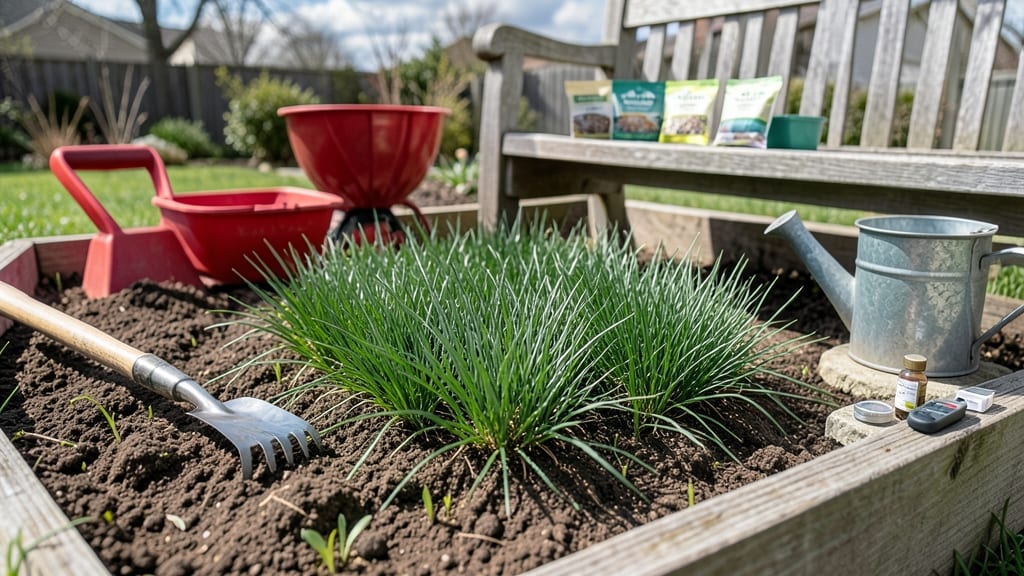
Planting your 🌱 grass at the wrong time in spring can leave you staring at bare patches for months—but getting the timing right means a lush lawn by summer.
The key isn’t just waiting for warm weather; it’s knowing when the soil reaches that sweet spot between 50°F and 65°F, where seeds germinate fast and roots take hold.
I’ve learned the hard way that rushing too early (when frost still lingers) or waiting too late (when summer heat arrives) both backfire. In USDA Zone 6, that perfect window opens around mid-April, but your local climate might shift those dates by weeks.
The secret? Check soil temperature with a simple thermometer—or watch for those telltale signs like sprouting weeds and damp but not soggy ground.
This guide breaks down exactly when to plant based on your grass type, soil conditions, and regional quirks. Whether you’re sowing cool-season Kentucky Bluegrass or warm-season Bermuda, I’ll show you how to align your schedule with nature’s calendar for faster germination and stronger growth.
Skip the guesswork and start with the right timing—because a green lawn begins long before the first blade of grass appears. Let’s get your soil ready for success.
Perfect soil temperature for spring grass germination (by region)
Spring lawn success starts with soil temperature, not just air temperature. Cool-season grasses like Kentucky Bluegrass and Fescue need 50°F–60°F soil to germinate, while warm-season types such as Bermuda and Zoysia thrive at 65°F–75°F.
Planting too early or late can leave your lawn patchy or stunted—here’s how to time it right by region.
Northern states (USDA Zones 3–6) typically see ideal cool-season soil temps in March–April, while Southern regions (Zones 7–10) should wait until April–May for warm-season varieties. Always check 2–4 inches deep—surface temps can be misleading. A soil thermometer (or your elbow as a rough guide) is your best tool.
🌱
For cool-season grasses, aim to plant 4–6 weeks before your area’s last frost date. In USDA Zone 5, this often means early April, while Zone 8 gardeners should wait until May. Warm-season grasses, however, need consistent warmth—planting too early can cause seed rot.
If you’re unsure about your last frost date, check local weather averages or use a frost calendar. Many extension services provide free planting guides tailored to your ZIP code. Pro tip: Ryegrass germinates fastest in cool soil, making it ideal for early spring plantings in Northern climates.
🌿
Soil temperature isn’t the only factor—moisture consistency matters just as much. After sowing, keep the top 1–2 inches of soil evenly moist (not soggy). A simple way to test: Press your finger into the soil—if it feels dry halfway down, it’s time to water.
Overwatering can suffocate seeds, while underwatering leads to weak germination.
In drought-prone areas, consider hydroseeding or using a mulch blanket to lock in moisture. This method also helps prevent soil crusting, a common issue in sandy soils where seeds struggle to break through the surface.
For best results, water lightly 2x daily for the first week, then taper to deep watering 2–3x weekly.
💧
One common mistake is planting based on air temperature alone. A sunny 60°F day can hide 45°F soil, delaying germination by weeks.
Use a soil thermometer ($10–$15 at garden centers) or the "elbow test": If the soil feels cool to your bare elbow, it’s not warm enough for warm-season grasses.
For Northern gardeners, late spring plantings (May–June) can still work for cool-season grasses, but expect slower growth until fall. In contrast, Southern lawns planted in late spring may struggle through summer heat—opt for shade-tolerant varieties like Fine Fescue if your yard gets afternoon sun.
☀️
5 Critical signs your soil is ready for grass seed (before planting)
Waiting for the perfect moment to plant grass seed can feel like guessing—too early and frost kills your efforts, too late and summer heat stifles germination. But nature gives you clear signals through your soil.
I’ve planted grass for over a decade, and these 5 field-tested signs have never failed me: moisture balance, weed activity, soil color, temperature cues, and texture clues. Each one tells you whether your soil is primed for seedling success.
The most reliable indicator? Weeds sprouting. When dandelions, clover, or chickweed start popping up, your soil temperature is likely between 50°F and 65°F—the ideal range for most grass seeds. This is Mother Nature’s way of saying, “It’s time!”
I once planted grass in late April when weeds were just emerging, and my lawn was fully established by Memorial Day. Timing like that doesn’t happen by accident.
Now, let’s cut to the chase with these 5 non-negotiable signs your soil is ready—no thermometer required.
- 1 Weeds are actively growing – When broadleaf weeds like plantain or crabgrass appear, your soil is 50°F–65°F. This is your green light to plant.
- 2 Soil is dark brown or black – Light-colored soil means it’s still cold. Dark, rich soil holds moisture and warmth, perfect for germination.
- 3 Moisture stays 1–2 inches deep – Press your finger into the soil; if it’s damp but not soggy at 1–2 inches, your seeds will thrive. Soggy soil = rot risk.
- 4 No morning frost – If frost disappears by mid-morning, your seeds won’t be shocked by overnight cold. I’ve planted grass in Zone 6 when morning frost vanished by 10 AM—success every time.
- 5 Soil crumbles easily – Squeeze a handful; if it breaks apart like cake crumbs, it’s ready. Clumpy soil means it’s too dry or compacted.
But here’s where most gardeners go wrong: they focus only on air temperature instead of soil temperature. A 70°F day might feel warm, but if your soil is still chilly from winter, seeds will sit dormant.
I’ve seen this happen in May when the air was toasty but the ground stayed cool—seeds took 3 weeks longer to sprout. Always check soil, not air.
Pro tip: If you’re unsure, do the “paper test”. Press a sheet of paper against the soil for 30 seconds. If it stays damp but doesn’t stick, your soil is perfectly moist.
Too wet? Wait a few days. Too dry? Water lightly and test again. This trick saved my first lawn from fungal issues.
Once you spot these signs, act fast—grass seeds germinate best when planted within 24–48 hours of ideal conditions. Miss the window, and you’ll be back to square one waiting for next spring. Trust me, your future lawn will thank you.