
Plants
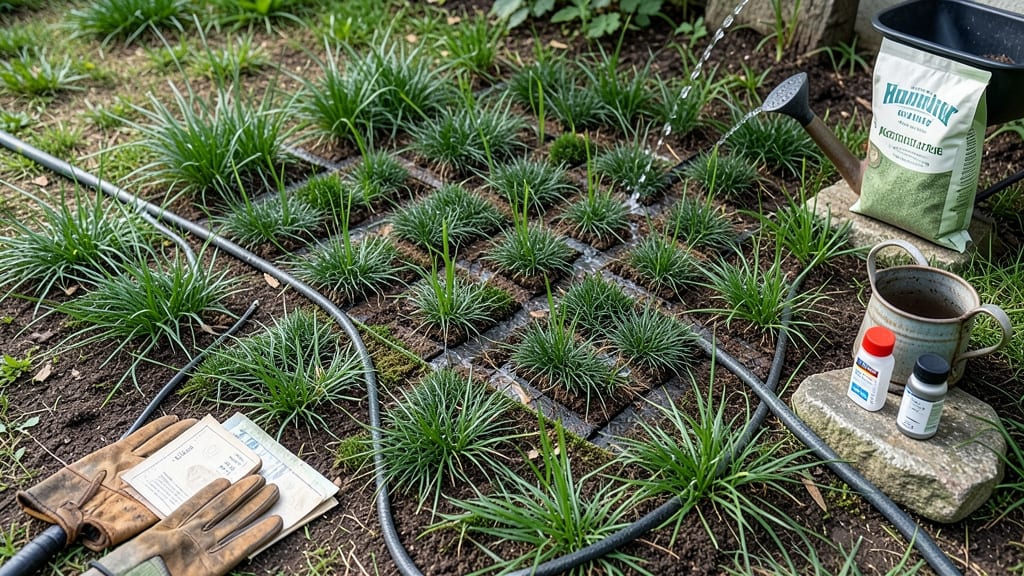
When is the best time to plant grass in Michigan? It isn’t just about grabbing seed and hoping for the best—it’s about catching the perfect window when soil, temperature, and weather align for lush, resilient growth. With USDA zones 5b-6b bringing unpredictable frost dates and shifting spring conditions, timing your planting can mean the difference between a vibrant lawn and a patchy disappointment.
Most gardeners assume early spring is the only option, but Michigan’s climate actually favors two ideal planting seasons: early spring (as soon as soil warms to 55°F) or fall (4-6 weeks before the first frost).
The key? Avoiding those late-spring heatwaves that dry out seeds before roots establish. I’ll break down the exact weeks by zone—so you can plant with confidence, whether you’re in Detroit’s 6a or Traverse City’s 5b.
What you’ll discover is that soil temperature matters more than the calendar. Plant too early, and frost heave will uproot your grass before it takes hold.
Wait too long, and summer’s intensity will stress young seedlings. The solution? A zone-specific planting timeline that accounts for Michigan’s 150 frost-free days and regional microclimates.
Ready to transform your lawn? Let’s dive into the exact weeks to plant, plus the critical steps to prep your soil and keep your grass thriving—no guesswork required.
Michigan’s USDA zone planting windows: exact weeks for cool-season vs. warm-season grass
Michigan’s USDA zones 5a–6b create distinct planting windows for grass, where timing separates success from failure. Cool-season grasses like Kentucky bluegrass and fescue thrive in Michigan’s spring and fall, while warm-season varieties like Bermuda and zoysia need summer’s heat to establish roots.
Getting these windows wrong can mean thin, patchy lawns or wasted seed—so let’s break down the exact weeks for each zone and grass type.
Your planting schedule hinges on two key factors: soil temperature (aim for 55°F+ for cool-season, 65°F+ for warm-season) and frost risk. In Michigan’s northern zones (5a), frost can linger until May 15, while southern zones (6b) may see last frosts by April 15.
These differences shift your planting window by 3–4 weeks—a critical gap for root establishment.
Below is your zone-by-zone planting calendar, with exact weeks for cool-season (spring/fall) and warm-season (summer) grass. Use this as your guide to avoid common mistakes like planting too early (frost heave) or too late (summer drought stress).
For cool-season grasses, Michigan’s spring window (April–June) gives seeds 6–8 weeks of warm soil before summer heat sets in. Fall planting (August–October) is equally critical—seeds germinate in warm soil but establish roots before winter dormancy.
In zone 5a, aim for late April to avoid frost heave, while zone 6b gardeners can start as early as mid-March if soil warms quickly.
Warm-season grasses like Bermuda and zoysia need consistent 65°F+ soil temps, which typically arrive in late May–early June in Michigan. Planting too early risks seed rot from cool, damp soil.
In southern Michigan (6b), you can start by early June, but northern zones (5a) should wait until late June to ensure soil stays warm enough for germination.
One of my biggest mistakes was planting Kentucky bluegrass in early April in zone 5b—frost heave uprooted half the seeds. Since then, I’ve used a soil thermometer to confirm temps are consistently above 55°F before seeding. This small step saved me $200 in wasted seed and months of frustration.
If you’re in zone 6b and want a lush, green lawn year-round, consider an overseeding strategy: plant cool-season grass in fall and warm-season grass in summer. This hybrid approach masks seasonal browning but requires precise timing—fall overse
5 Critical factors that determine your Michigan grass planting success (beyond just the calendar)
Even when you’ve got the calendar memorized, Michigan’s microclimates and unpredictable weather can throw off your grass planting plans. Detroit’s urban heat island effect might push your planting window 2 weeks earlier than Traverse City’s cooler lakeside air.
The difference between success and disappointment often comes down to these five overlooked factors, not just the date on your planner.
I’ve planted grass in USDA zones 5b and 6a across Michigan, and I’ve learned that soil temperature, rainfall patterns, and even weed competition can shift your ideal planting window by 3–4 weeks. Let’s break down what really matters beyond the frost dates.
Let’s say you’re in USDA zone 5b (like much of northern Michigan). If you plant Kentucky bluegrass in early April but your soil is still 48°F, your seeds will linger dormant for weeks—giving weeds a head start.
Instead, wait until soil hits 55°F (usually late April to early May), then water deeply 2x daily for the first week to encourage root growth.
In southern Michigan (zone 6a), where summers hit 90°F+, cool-season grasses like ryegrass can go dormant by July if planted too early. My trick? Plant tall fescue blends in early September—they establish roots before frost and outcompete weeds next spring.
For warm-season grasses (like zoysia), wait until soil is 75°F+ (usually late May to June).
Weed competition is the silent killer of new grass. Crabgrass seeds germinate when soil temps reach 55°F—often 2–3 weeks before your ideal planting window. My solution? Apply a pre-emergent herbicide like Scotts Halts Crabgrass 4 weeks before your target planting date.
This buys you critical time for grass roots to establish before weeds take over.
Pro tip: Test your soil’s pH and organic matter before planting. Michigan’s clay-heavy soils (common in Detroit) need gypsum or compost to improve drainage, while sandy soils (like in Muskegon) benefit from peat moss.
Aim for a pH of 6.0–7.0—outside this range, your grass will struggle to absorb nutrients, even with perfect timing.
Remember: The best time to plant grass in Michigan isn’t just about the calendar—it’s about reading your local microclimate. Use these factors to adjust your window by 2–4 weeks, and you’ll avoid the most common mistakes that turn brown patches into permanent failures.
Start with soil temperature, then fine-tune for your specific corner of Michigan—your lawn will thank you next summer.