
Plants
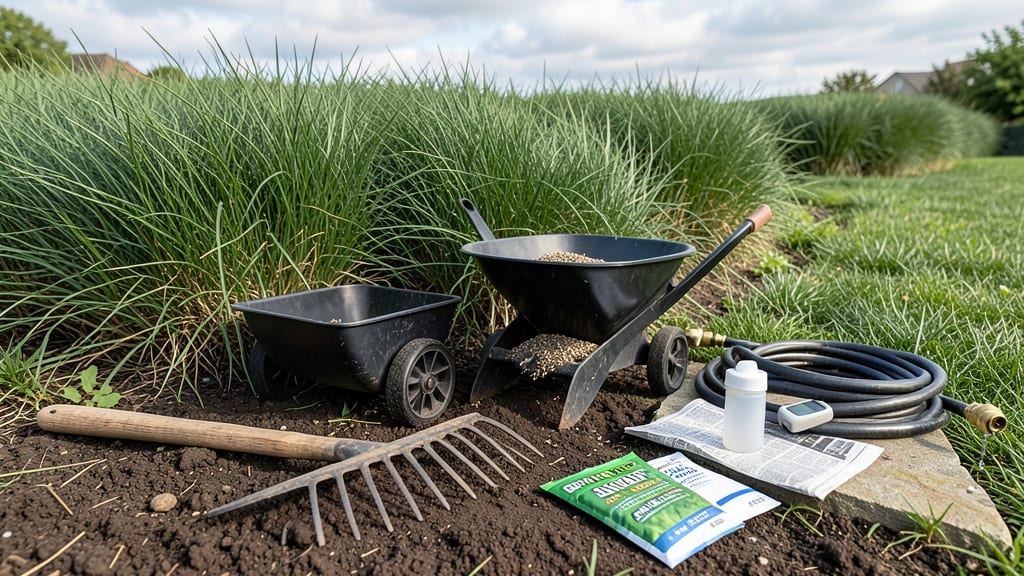
Planting your 🌱 Grass (Turf) at the wrong time in North Carolina can turn your fresh seed into a sad, patchy lawn—especially when spring’s unpredictable weather or late frosts catch you off guard.
Most gardeners assume spring is the only window, but fall actually offers cooler soil and fewer weeds for better establishment. The key? Timing it right based on your zone’s frost dates and soil temps between 55-65°F.
I’ll break down exactly when to plant in zones 6a-8b, how to prep your soil, and why skipping these steps can leave your grass struggling. Let’s get your lawn off to the fastest start possible.
Whether you’re seeding a new yard or overseeding bare spots, these zone-specific tips will save you time, money, and frustration. Ready to transform your patchy grass into a lush carpet?
North Carolina grass planting timeline by zone: soil temperature and frost-free dates
North Carolina’s diverse climate—from the mountains to the coast—means your grass planting window depends heavily on your USDA zone and soil temperature. Planting too early risks frost damage, while waiting too long can leave your lawn vulnerable to weeds and summer heat stress.
The ideal soil temperature for grass seed germination is between 55°F and 65°F, with consistent warmth for at least 2 weeks.
Most NC zones (7a-8b) experience their last frost between mid-February and mid-March, while the first frost arrives as early as mid-November in cooler zones. To maximize success, aim to plant 4-6 weeks before your average first frost in fall or 2-3 weeks after your last frost in spring.
This timing ensures your grass establishes strong roots before extreme heat or cold sets in.
For Zone 7a gardeners in the mountains, like those in Asheville, focus on late April to early May for spring planting. The soil temperature typically hits the 55°F threshold by mid-April, but wait until after the average last frost date (March 15) to avoid damage.
In Zone 8b, such as Wilmington, you can start as early as late January, but aim for February to align with soil warming and humidity levels.
Fall planting offers a second chance for NC gardeners, especially in Zones 7b and 8a, where August to early September provides ideal conditions. The soil stays warm from summer heat, while cooler nights reduce stress on new seedlings.
For Zone 8b, extend your window to late August—just ensure you plant 6 weeks before your first frost (December 1) to allow root establishment.
Use a soil thermometer to confirm temperatures before planting. Bury it 2 inches deep in your lawn area for 3-
How to prepare your lawn for fall vs. spring planting in North Carolina
North Carolina’s humid subtropical climate means your grass planting strategy should shift with the seasons. While spring planting is classic, fall offers cooler soil temps and fewer weeds—giving seeds a better chance to establish before winter.
I’ve planted in both seasons and can tell you: fall often wins for faster, healthier growth.
Your pre-planting prep makes all the difference. Whether you’re seeding in March-April or August-September, skipping soil testing or weed control can leave your lawn struggling. Let’s compare the two approaches so you can choose what works best for your zone and schedule.
Key difference: Spring planting races against late frosts and summer heat, while fall planting benefits from mild temps and natural rainfall. Both require careful prep—but the steps vary slightly to match each season’s challenges.
Fall Planting (August-September) vs. Spring Planting (March-April)
- Cooler soil temps reduce weed competition
- Grass establishes before summer heat
- Natural rainfall boosts germination
- Limited time window before frost
- Requires faster establishment
- Fungal risks if planting too late
- Longer growing season ahead
- Easier to spot weeds before planting
- Warmer air speeds up germination
- Late frosts can kill new seedlings
- Summer heat stresses young grass
- Weeds germinate faster in warm soil
For fall planting, focus on soil testing first—NC’s clay-heavy soils often need organic matter to improve drainage. Aim for a pH of 6.0-7.0 and add compost or peat moss if needed. Weed control is critical too; pre-emergent herbicides in late summer can prevent crabgrass from stealing nutrients.
Spring prep differs slightly: aerate compacted soil from winter and apply pre-emergent in February to block weeds. Choose cool-season grasses like tall fescue or ryegrass for spring, as they handle NC’s heat better than warm-season types like bermudagrass when planted early.
My top tip: Always test your soil temperature before planting. Use a soil thermometer—ideal temps are 55-65°F. In spring, wait until after March 15 for most zones; in fall, plant by September 15 to avoid early frosts. Timing is everything!
Both seasons require consistent watering after planting: 1 inch per week for the first month. But fall’s cooler temps mean you can water less frequently than in spring’s heat. Mulch lightly with straw to retain moisture and protect seedlings.