
Companion Plants
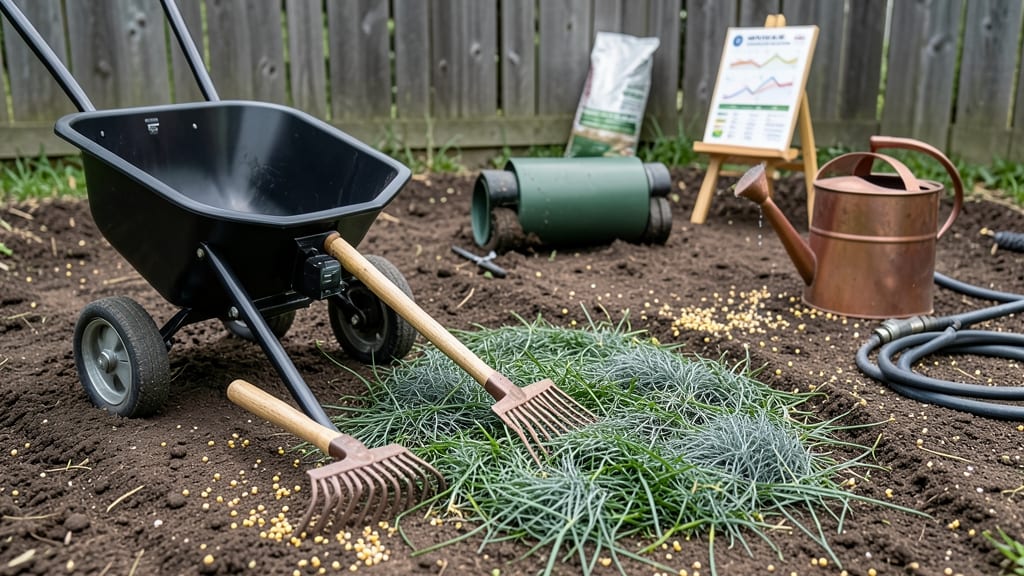
Planting grass seed in the fall could be the game-changer your lawn needs—but only if you time it right. The 4-6 weeks before first frost window is critical, giving roots time to establish before winter sets in. Skip this timing, and you risk weak growth or weeds stealing the show.
I’ve seen firsthand how a well-timed fall planting leads to thicker, greener grass by spring. Whether you’re in zone 6a or further south, understanding your local climate is the key to success. Let’s break down exactly when—and how—to plant for the best results.
You’ll learn how to read your soil’s readiness, choose the right seed varieties, and avoid common pitfalls that sabotage fall plantings. From watering schedules to frost protection tips, I’ve got you covered. Ready to transform your lawn next season?
Don’t wait until it’s too late—fall’s fleeting, and missing the window means another year of patchy grass. Let’s get started with the steps that’ll set you up for a lush, low-maintenance lawn come spring.
Optimal fall planting dates by US climate zone (with temperature guidelines)
Timing your grass seed planting in the fall is all about soil temperatures and frost risk. The ideal window lets seeds germinate before winter dormancy sets in—typically when soil temps hover between 60-75°F.
In Northern states, this means late August to early October, while Southern regions can extend planting until November. Missing this window risks weak root development or frost damage.
Your USDA hardiness zone determines the exact dates. Zones 3-5 (cold climates) need early planting, while Zones 7-10 (mild winters) have a longer window.
Below, I’ve broken down the optimal planting months by region, along with soil temp guidelines to avoid common mistakes like over-planting too late or under-preparing for frost.
🌱 Pro Tip: Use a soil thermometer to confirm temps—most grass seeds need 55-65°F soil to sprout. If temps drop below 50°F, germination stalls until spring.
For Northern states (Zones 3-5), aim to finish planting by October 1—any later risks frost damage before roots establish. In Zones 6-7, you’ve got a slightly longer window, but avoid planting after mid-October unless you’re using cold-hardy varieties like tall fescue.
In Southern regions (Zones 8-10), you can push planting into November, but monitor soil temps closely. If nights dip below 50°F, germination slows dramatically. 🌡️ Tip: Mulch newly seeded areas with straw to retain heat and moisture.
One common mistake is planting too early in warm climates—weeds like crabgrass will outcompete your grass if soil temps exceed 75°F. Pre-emergent herbicides can help, but timing is key. 🌱 Rule of thumb: Wait until daytime highs drop below 85°F before seeding in hot zones.
If you’re in a transition zone (like Zone 6b), err on the side of earlier planting. These areas experience unpredictable frost, and seeds need 4-6 weeks to germinate and root. Check your local agricultural extension office for last-frost averages—they’re your best guide.
For shade-tolerant grasses (like fine fescue), follow the same timing but reduce watering slightly—these varieties prefer moist but not soggy soil. ✂️ Post-planting tip: Avoid mowing until grass reaches 3-4 inches tall to protect new roots.
Finally, test your soil before planting. Ideal pH for most grasses is 6.0-7.0. If your soil is too acidic, add lime 4-6 weeks before seeding to give roots time to adjust. 💧 Watering schedule: Keep soil consistently moist (1 inch
5 Signs your fall grass planting window is open (and 3 mistakes to avoid)
I’ve learned the hard way that planting grass seed in the fall isn’t just about picking a random weekend in September. The ideal window depends on your local climate, soil conditions, and even daylight patterns.
Miss these cues, and you’ll either waste seed on weeds or watch your new grass freeze before it establishes. Let’s break down the 5 clear signs your lawn is ready—and what to avoid at all costs.
First, check your soil temperature. Grass seeds need soil between 60-75°F to germinate properly. Use a soil thermometer (they’re cheap!) to test a few inches down. If it’s still warm from summer, wait—cooling soil signals the perfect time.
I once planted too early in late August in zone 6a, and weeds took over before my grass even sprouted.
Next, watch for weed dieback. As days shorten and temps drop, most weeds slow their growth. If your lawn’s weed population is shrinking (especially crabgrass and clover), that’s your green light.
Weeds compete fiercely with new grass, so timing this right means fewer battles later. Pro tip: Pull any remaining weeds before planting to give your grass a head start.
- Soil Temp Check: 60-75°F at 2" depth (use a thermometer for accuracy).
- Weed Dieback: 70-80% reduction in weed growth signals ideal timing.
- Daylight Hours: Aim for 10-12 hours of daylight—grass needs light to establish roots.
- Moisture Test: Soil should be damp but not soggy—stick your finger in; if it’s dry past 1", water first.
- Frost Forecast: Plant 4-6 weeks before your area’s first frost date (check NOAA’s zone map).
Don’t overlook daylight hours. Grass needs 10-12 hours of daylight daily to photosynthesize and grow strong roots. If your mornings are getting chilly but afternoons stay warm, that’s your sweet spot.
I planted in early October last year, and my grass thrived because the days were still long enough for growth. Too late, and you’ll get weak, leggy grass that struggles to survive winter.
Here’s a critical mistake I see often: over-planting. Some gardeners dump seed like it’s confetti, thinking more = better. But thick layers smother soil, block sunlight, and create perfect conditions for mold.
Follow the seed rate on the package—usually 4-8 lbs per 1,000 sqft—and use a broadcast spreader for even coverage. Uneven planting leads to patchy lawns, and nobody wants that.
Another trap? Ignoring seed dormancy. Some varieties (like tall fescue) need a cooling period to break dormancy. If you plant too early in warm soil, seeds may sit dormant until conditions improve—wasting your time and money.
Check your seed’s germination requirements; cool-season grasses often need consistent temps below 80°F to wake up.
Finally, adjust for your climate. In mild autumns (like the South), you might plant until late November, while cool Northern zones should finish by mid-October. I once saw a neighbor in zone 5 plant in December—their grass barely survived the winter.
When in doubt, plant early rather than late. Your grass will thank you next spring with deep roots and vibrant growth.