
Plants
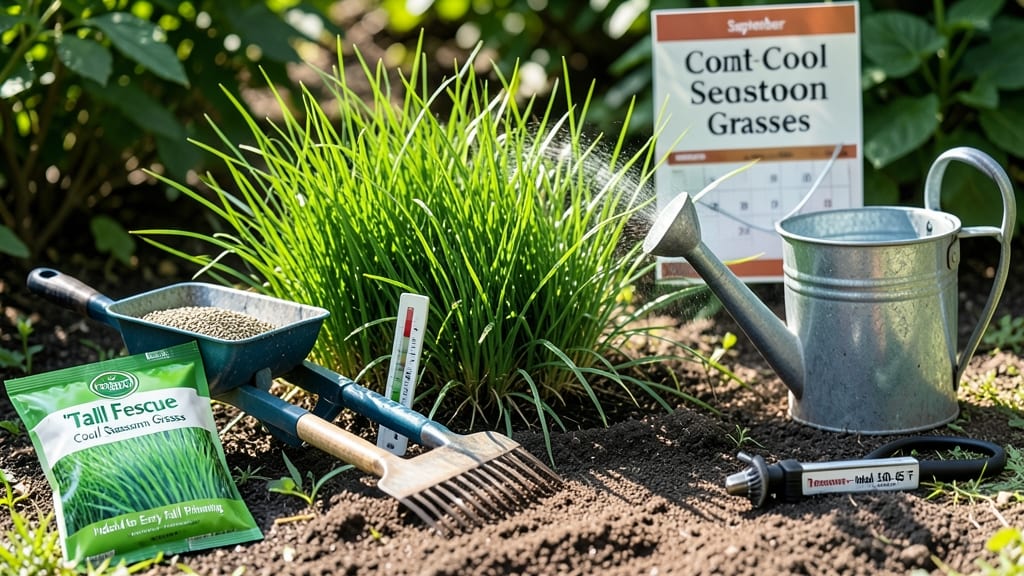
Planting your 🌱 grass seed at the wrong time in Illinois can mean the difference between a lush lawn and months of frustration—especially when unpredictable spring rains or early fall frosts throw off your plans.
I’ve learned the hard way that timing isn’t just about picking a random weekend in spring or fall.
The best time to plant grass seed in Illinois depends on soil temperatures, rainfall patterns, and even which part of the state you’re in—whether you’re in chilly Zone 5a or warmer Zone 6b.
In this guide, I’ll break down the ideal windows (with exact soil temp targets), show you how to prep your yard for success, and reveal the 5 biggest mistakes Illinois gardeners make—so you can skip the guesswork and get that green carpet you’re dreaming of.
Ready to turn your patchy yard into the envy of the neighborhood? Let’s dive into the secrets that’ll give your grass seed the perfect start.
Optimal Illinois grass planting windows by season: soil temperature & rainfall guide
If you've ever planted grass seed in Illinois only to watch it struggle or fail, you're not alone. The key to success lies in understanding when to plant—specifically, during windows when soil temperatures and rainfall patterns align perfectly for germination.
In Illinois, these windows are early spring and early fall, but timing varies by region, from northern to southern Illinois. Let's break down the science behind these windows and how to leverage them for a lush lawn.
Grass seed thrives when soil temperatures hover between 50°F and 65°F. Below 50°F, seeds may not germinate, while above 65°F, they risk drying out or being overwhelmed by weeds.
Illinois' climate zones (5a-6b) mean northern areas (like Chicago) have shorter growing seasons than southern regions (like St. Louis). This means your planting window might shift by 2-4 weeks depending on where you live.
For example, northern Illinois typically plants in late April to early May, while southern Illinois can start as early as mid-March.
Rainfall also plays a critical role. Illinois averages 35-45 inches of rain annually, but distribution matters. Spring showers in March and April provide natural moisture, while fall rains in September and October help seeds establish before winter. However, droughts—especially in northern Illinois—can disrupt germination.
Always check your local NOAA climate reports before planting to avoid dry spells. Pro tip: Aim for 1-1.5 inches of rain per week during the first 4-6 weeks after planting.
Here’s how the two best planting windows compare in Illinois, including soil temps, rainfall, and regional adjustments:
Spring planting offers the advantage of longer daylight hours, which speeds up germination and early growth. However, late frosts (common in northern Illinois) can damage tender seedlings. To mitigate this, choose cool-season grasses like Kentucky bluegrass or tall fescue, which tolerate light frosts better.
Start seeds 4-6 weeks before your last frost date—typically mid-April in Chicago but early April in Springfield.
Fall planting, on the other hand, benefits from cooler temperatures and fewer weeds, giving grass a competitive edge. Seeds sown in early September have time to establish roots before winter, resulting in 25–30% stronger lawns the following spring.
Southern Illinois gardeners can extend this window into early November, but avoid planting closer than 6 weeks to the first frost (usually mid-October). Pro tip: Use a soil thermometer to confirm temps are above 50°F before planting in fall.
Regional differences in Illinois can shift your ideal planting window by 2-4
How to prepare Illinois soil for grass seed success: step-by-step pre-planting checklist
Once you’ve picked the perfect planting window for your Illinois lawn, the real work begins—preparing your soil. I’ve seen too many gardeners rush this step only to end up with patchy grass or wasted seed. The key?
A well-aerated, nutrient-rich soil with the right pH balance and moisture levels. Illinois soils can be tricky—especially if you’re dealing with clay-heavy areas or drought-prone zones—but these steps will set you up for success.
Start by testing your soil’s pH level. Most grass varieties thrive in a 6.0–7.5 range. If your soil is too acidic or alkaline, you’ll need to adjust it before planting. For clay soils, which are common in northern Illinois, focus on improving drainage and adding organic matter.
Drought-prone areas in southern Illinois will need extra attention to moisture retention. Let’s break this down into actionable steps so you can get your lawn ready for that perfect green carpet.
Test Your Soil’s pH
Use a soil test kit (available at garden centers) to check pH. Aim for 6.0–7.5. Adjust with lime (for acidic soil) or sulfur (for alkaline soil) 2–4 weeks before planting.
Loosen the Soil
Use a garden tiller or broadfork to break up compacted soil to a depth of 4–6 inches. For clay soils, add compost or sand to improve drainage.
Remove Weeds and Debris
Clear the area of weeds, rocks, and dead grass. Use a raking tool to level the surface, creating a smooth bed for seed.
Add Organic Matter
Spread a 2-inch layer of compost or well-rotted manure over the soil. Work it into the top 2–3 inches to boost nutrients and moisture retention.
Level and Moisten
Rake the soil again to create a fine, level surface. Water lightly to settle the soil, then let it dry slightly before planting. For drought-prone areas, consider mulching with straw after seeding.
Don’t skip the soil test—it’s the foundation of your lawn’s success. I once planted grass seed without testing my soil, and the results were disastrous. The seeds struggled to germinate because the pH was off.
Since then, I’ve made it a rule to test and adjust my soil every time. For clay soils, mixing in compost and sand can work wonders, while drought-prone areas benefit from extra organic matter to hold moisture.
After prepping your soil, keep it consistently moist but not waterlogged. Overwatering can wash away seeds or cause fungal issues. Once your grass seed is down, lightly rake it into the soil to ensure good seed-to-soil contact.
This small step makes a huge difference in germination rates. Stick to the morning watering schedule to avoid evening moisture that can invite disease.
With these steps, your Illinois lawn will have the perfect foundation for lush, healthy grass. Remember, patience is key—your grass won’t transform overnight, but with the right prep, you’ll see dramatic results in just a few weeks.
Now, grab your tools and get ready to turn that patchy yard into the green oasis you’ve been dreaming of!