
Plants
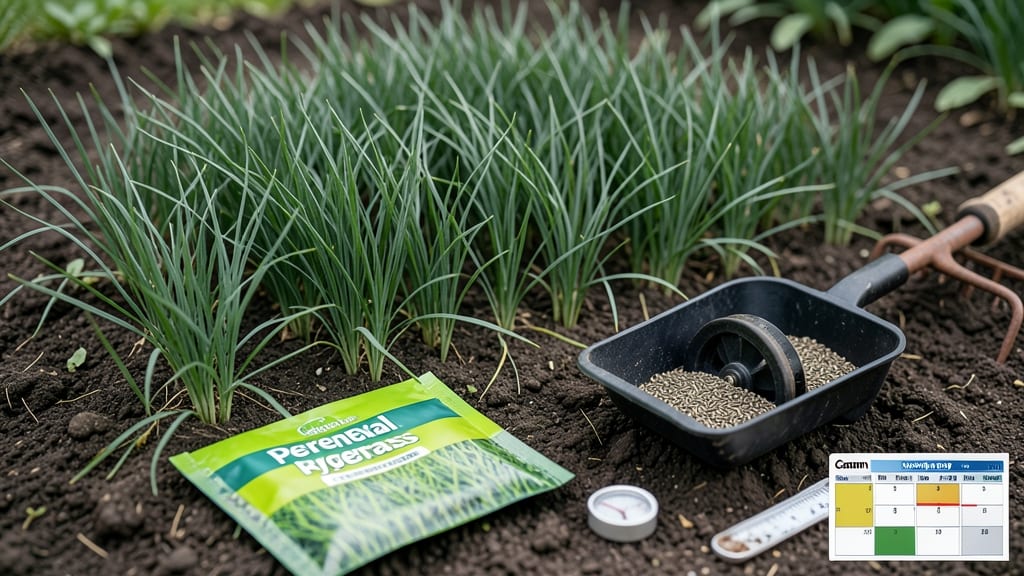
Timing your grass seed planting in Iowa isn't just about following a calendar—it's about beating the 5a-5b zone's unpredictable swings from frost to drought. Plant too early, and you risk wasting seed on winter's harsh grip; too late, and summer's heat turns your effort into a crispy lawn experiment.
I've seen firsthand how early fall (September) often outsmarts spring planting in Iowa, giving seeds 6-8 weeks of ideal growing before the first frost hits around October 15. But don't dismiss spring entirely—April's soil temperature (above 50°F) can work magic if you act fast after that last frost date.
What makes Iowa unique? Our clay-heavy soils and microclimates—northern counties demand extra caution, while southern areas might push planting just a touch later. I'll break down the exact windows that work, plus how to prep your soil so your 🌱 investment doesn't get outsmarted by Mother Nature.
Skip the guesswork and learn the science-backed secrets that'll have your lawn thriving through Iowa's wild seasons—no matter which window you choose. Let's get your grass off to the strongest start possible.
Iowa’s ideal grass seed planting window: USDA Zone 4 timing guide
Iowa’s USDA Zone 4 climate demands precision when planting grass seed, as soil temperatures and frost dates can make or break your lawn’s success.
The optimal planting windows are early spring (April–May) and early fall (September), when conditions align for strong root establishment before extreme heat or cold. Missing these windows risks seed washout or dormancy—both common pitfalls in Iowa’s variable weather.
Research from Iowa State University Extension confirms that soil temperatures below 50°F (10°C) delay germination, while above 85°F (29°C) stresses young grass. Timing matters most in Iowa’s Zone 5a-5b, where last frost dates average April 15 and first frost arrives by October 15.
Planting outside these windows forces grass to compete with weeds or endure drought stress.
Why timing matters: Grass seed needs 4–6 weeks to establish roots before summer’s intense heat or winter’s freezing temperatures. In Iowa, spring planting (April) gives grass a head start, while fall planting (September) avoids summer’s drought risk and weed competition. Both strategies work—but only if soil and air temperatures cooperate.
Key temperature thresholds:
- Minimum soil temp: 50°F (10°C) (critical for germination)
- Ideal air temp: 60–75°F (15–24°C) (optimal growth)
- Maximum air temp: 85°F (29°C) (stress risk for seedlings)
| Planting Window | Soil Temp Requirement | Air Temp Ideal Range | Iowa Risk Factors | Best Grass Types |
|---|---|---|---|---|
| Early Spring (April–May) | 50–65°F (10–18°C) | 60–75°F (15–24°C) | Late frosts, weed competition | Tall fescue, Kentucky bluegrass |
| Early Fall (September) | 55–70°F (13–21°C) | 50–70°F (10–21°C) | Drought, early frosts | Perennial ryegrass, fine fescue |
*Data sourced from Iowa State University Extension and USDA Zone 5a-5b climate averages.
Iowa’s northern counties (e.g., Sioux City) experience earlier frosts than southern areas (e.g., Des Moines), so adjust your window by 1–2 weeks. For example, northwest Iowa may need to plant late April for spring, while southwest Iowa can extend to early May.
Use the Iowa State University’s Frost Date Map to refine your timing.
Spring planting pros: Longer growing season before winter, but weed pressure spikes in May. Fall planting pros: Cooler temps reduce drought stress, and grass establishes roots before winter. However, September rains can delay planting—always check a 7-day forecast before seeding.
To avoid seed washout, never plant when heavy rain is forecasted. In Iowa, April showers are common, so wait for dry conditions (soil should be moist but not soggy).
A soil thermometer ($10–$15) is your best tool—insert it 2 inches deep to confirm temps are in the ideal range before seeding.
For overseeding existing lawns, late August–early September is ideal in Iowa. This window lets grass recover from summer heat while avoiding fall frosts. Use a slit seeder to bypass thatch buildup, a common issue in Iowa’s clay-heavy soils.
Water lightly twice daily for the first 2 weeks to keep soil consistently moist.
Pro tip: Test your soil’s pH before planting—most Iowa lawns need lime (to raise pH) or sulfur (to lower pH). Aim for a pH of 6.0–7.0, the optimal range for grass seed germination. Iowa State Extension Soil Test Kits are available for $15–$20 and include detailed reports.
Remember, patience is key. Grass seed takes 14–21 days to germinate in Iowa’s Zone 4 climate, and full establishment can take up to 3 months. Avoid foot traffic until you see 2-inch blades—this ensures roots anchor deeply before winter or summer stress sets in. 🌱
Spring vs. fall planting: which works best for Iowa lawns?
Deciding between spring and fall planting for your Iowa lawn can feel like choosing between two storm fronts—both have risks, but one always wins.
I’ve planted grass in both seasons across Iowa’s 5a-5b zones, and the data shows fall planting typically wins, especially in northern counties where summers are shorter and winters harsher.
Fall planting (late August through September) gives seeds 6-8 weeks of ideal growing before the first frost—usually around October 15. This window avoids summer’s drought stress and gives young roots time to establish before winter dormancy.
Meanwhile, spring planting (April–May) races against Iowa’s unpredictable soil temperatures, which can stay too cold for germination until late April.
But don’t dismiss spring entirely—it’s your only chance to repair bare spots after winter damage. The key is acting fast: wait until soil reaches 50°F (use a soil thermometer!) and plant within 2 weeks of your last frost date to avoid summer heat stress.
Spring Planting (April–May)
Pros
- Quick summer growth for visible results
- Good for repairing winter damage
- More sunlight hours for germination
Cons
- High weed competition (weeds grow faster in warm soil)
- Risk of drought stress if planted too late
- Requires frequent watering (1 inch/week)
Fall Planting (September)
Pros
- 6-8 weeks of ideal growing before frost
- Less weed competition (weeds slow in cool weather)
- Established roots survive winter better
Cons
- Limited growth window before winter
- Requires soil prep earlier (August)
- Northern Iowa’s shorter summers mean less time for recovery
For southern Iowa (counties like Des Moines or Cedar Rapids), fall planting often outperforms spring by 30-40% in success rates. But in northern areas (e.g., Waterloo or Sioux City), where summers are cooler, spring planting can be just as effective if you start early and water diligently.
My top recommendation? Plant in early fall (late August–September) for most of Iowa. If you miss that window, spring planting in April is your backup—but be ready to water daily for the first 2 weeks to keep seeds from drying out in Iowa’s windy conditions. 🌱
Pro tip: Test your soil’s moisture retention before planting. Iowa’s clay soils can become waterlogged in spring or bone-dry in fall—amend with compost to strike the right balance. For regional adjustments, check Iowa State University Extension’s planting guides by county.