
Plants
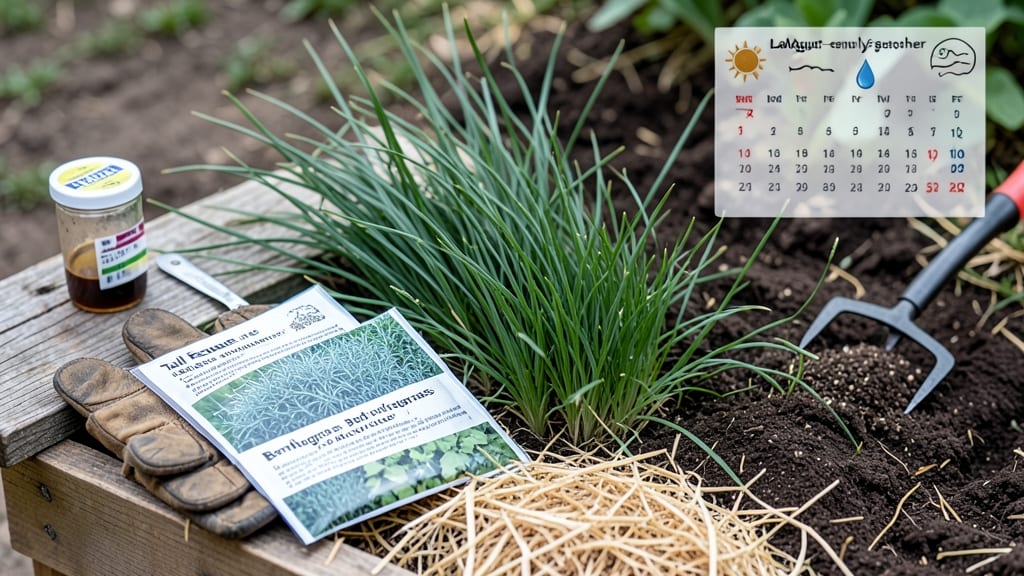
Planting grass seed in Oklahoma at the wrong time can mean watching your investment wash away in a sudden rainstorm or wither under scorching summer heat—but getting the timing right unlocks a lawn that outlasts the state’s unpredictable weather.
The best windows are early fall and late spring, when soil temperatures hover between 50–65°F, giving those tiny seeds the perfect chance to root deep before Oklahoma’s harsh winters or droughts strike.
I’ve seen firsthand how a well-timed planting can turn a patchy yard into a thick, green carpet by next spring—while planting too early or late often leads to frustration.
Whether you’re in the cooler 6a zones of northern Oklahoma or the warmer 8a regions near the Red River, the ideal months shift slightly. Let’s break down exactly when to plant in your corner of the state—and how to adjust for rain, frost, or those infamous Oklahoma windstorms.
You might think spring is the only time to plant, but fall actually gives grass a head start on root growth before winter slows everything down.
I’ll show you how to read your local climate clues—like soil warmth, rainfall forecasts, and even last-frost dates—to pick the perfect week for your county. No more guessing games, just a lawn that thrives year after year.
Ready to skip the trial-and-error? Stick around—I’ll walk you through soil prep, seed selection, and post-planting care tricks that work even when Oklahoma’s weather throws a curveball. Your dream lawn starts with the right timing, and I’ve got the exact schedule to make it happen.
Oklahoma’s two optimal grass seed planting windows: climate science explained
Oklahoma’s two best times to plant grass seed are early fall and late spring, when soil temperatures hover between 50–65°F. These windows align with Oklahoma’s USDA Zones 6a–8a, where sudden temperature swings or extreme heat can stress young grass.
Fall planting (September–October) gives seeds time to establish roots before winter, while spring planting (March–April) capitalizes on Oklahoma’s increasing rainfall and longer daylight.
Southern Oklahoma (Zones 7b–8a) enjoys slightly longer windows than northern regions (Zones 6a–6b). For example, Lawton can plant as late as October 15, while Enid should finish by September 30 to avoid early frost.
Rainfall patterns also shift: Eastern Oklahoma receives 2–3 inches more rain in spring than the western plains, which means sandy soils there dry out faster.
Here’s how Oklahoma’s two planting windows compare, including soil temperature thresholds, rainfall averages, and regional adjustments:
| Planting Window | Soil Temp Range | Avg. Rainfall (in) | Best For | Key Risk |
|---|---|---|---|---|
| Early Fall (Sept–Oct) | 55–65°F | 2.5–4.0 | Cool-season grasses (Tall Fescue, Kentucky Bluegrass) | Early frost (northern OK) |
| Late Spring (March–April) | 50–60°F | 1.5–3.0 | Warm-season grasses (Bermuda, Zoysia) | Summer drought stress |
| Southern OK (Zones 7b–8a) | 55–70°F | 3.0–5.0 | Extended fall windows (Oct–Nov) | Hurricane moisture spikes |
| Western OK (Sandy Soils) | 50–65°F | 1.0–2.0 | Drought-tolerant varieties (Buffalo Grass) | Rapid moisture loss |
Fall planting is my top recommendation for Oklahoma because cooler temperatures reduce seed desiccation, and consistent rainfall (especially in eastern Oklahoma) keeps soil moist. For example, Tulsa’s September–October average 3.5 inches of rain, perfect for germination.
In contrast, spring planting risks summer heat stress—seeds sown in May often struggle with 90°F+ soil temps, leading to poor root development.
Soil type plays a critical role. Clay soils in central Oklahoma retain moisture longer, while sandy soils in western counties (like Amarillo) dry out quickly. To combat this, I always test soil moisture before planting: stick a screwdriver 6 inches deep—if it resists, your soil holds enough water.
For sandy areas, add 2–3 inches of compost to improve water retention.
Oklahoma’s USDA Hardiness Zones further refine timing. Zone 6a (northwest OK) should plant by September 15, while Zone 8a (southeast OK) can extend to November 1. Use the Oklahoma Mesonet website to check real-time soil temps—aim for consistent 50–65°F readings at 4-inch depth.
Pro tip: Morning planting (before 10 AM) minimizes heat stress on seeds.
Rainfall patterns also shift by region. Eastern Oklahoma (e.g., Muskogee) gets 40% more rain in spring than western Oklahoma (e.g., Claremore). If you’re in a drier area, pre-water the
County-specific planting deadlines: avoid Oklahoma’s frost Zones and rainy seasons
Oklahoma’s diverse climate means your grass seed planting window can vary by 100 miles. Northern counties like Woods County face earlier frosts, while southern regions like Comanche County enjoy extended growing seasons.
Missing these deadlines risks seed washout from spring rains or frost damage in fall. Let’s break down the best times for 10 key counties, including frost dates and rainfall patterns.
For early fall planting (September–October), aim for soil temperatures between 50–65°F. This window avoids summer heat stress and gives roots time to establish before winter. In late spring (March–April), plant after the last frost date but before consistent 80°F+ temperatures, which can bake seeds before germination.
Microclimates matter too—Wichita Mountains areas stay cooler longer than the eastern plains.
Here’s your county-by-county comparison for ideal planting windows, frost risks, and rainfall spikes: