
Plants
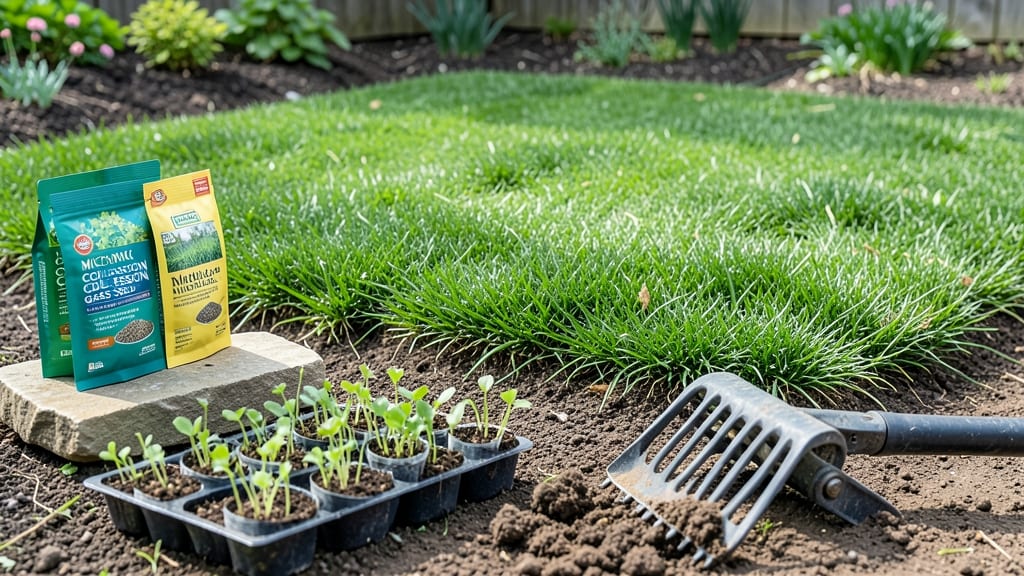
Planting grass seed in Michigan at the wrong time can leave you staring at a patchy lawn for months—especially when unpredictable frost dates and soil temperatures throw off even the most eager gardeners.
I’ve learned the hard way that timing isn’t just about the calendar—it’s about soil warmth, rainfall patterns, and whether you’re in southern Michigan’s milder zone 6b or northern Michigan’s cooler 5b. The key window?
Early spring (after the last frost) or late summer (before the first frost), but getting it wrong means weak roots and wasted seed.
In this guide, I’ll break down the exact deadlines for your county—whether you’re in Wayne County or Chippewa—plus how to prep your soil and care for new grass so it thrives. No more guessing games; just a stronger lawn from day one.
Let’s get your 🌱 off to the right start with science-backed timing and care tips tailored for Michigan’s climate.
Michigan grass seed planting deadlines by region: southern vs northern county timelines
Michigan’s diverse climate zones mean your grass seed planting deadline in Wayne County differs drastically from Chippewa County. Southern Michigan’s milder winters (USDA zones 5b-6a) allow earlier spring planting and later fall windows, while northern regions (USDA zones 4a-5a) demand tighter timing to avoid frost damage.
Getting this wrong can cost you thin, patchy turf or wasted seed.
I’ve broken down the optimal planting windows by region, including critical last-chance deadlines before winter sets in. Whether you’re in Detroit’s urban heat islands or Marquette’s cooler shores, these county-specific timelines will help you maximize root establishment before Michigan’s first hard frost.
For Southern Michigan counties like Wayne, Oakland, and Macomb, your primary planting windows are early April through mid-May and late August through mid-October. Northern counties such as Marquette, Chippewa, and Schoolcraft have shorter windows: mid-May to early June and mid-August to early September.
Missing these deadlines risks seed washout or dormant soil that won’t support germination.
In Southern Michigan, where soil warms faster, you can start planting grass seed as early as late March if temperatures stay above 40°F at night. However, avoid planting before April 1 unless you’re using warm-season grasses like Bermuda, which thrive in higher soil temps (65°F+).
For cool-season grasses (like Kentucky Bluegrass or Tall Fescue), aim for soil temps between 50-65°F—typically mid-April to early May.
Northern Michigan’s shorter growing season demands precision. Planting too early risks frost damage to tender seedlings, while waiting too long limits root development before winter. For Marquette and the UP, focus on late May to early June for spring planting.
If you miss this window, your only safe option is late summer (August), but seedlings may struggle to establish before first frost.
One critical rule
How soil temperature and weather conditions determine the best planting window in Michigan
Michigan’s soil temperature and weather patterns are the real dealbreakers when planting grass seed. Unlike warmer climates, our 50-65°F soil threshold is non-negotiable—plant too early, and frost will kill your seedlings; too late, and summer heat stresses young roots.
I’ve seen firsthand how a 5-day heatwave after planting can turn lush sprouts into crispy brown straw.
The key? Soil warmth triggers germination, but consistent moisture keeps those seeds from drying out. In my experience, spring planting works best when soil hits 55°F+ for 5+ days, while fall planting thrives with 60-65°F soil and stable afternoon temps above 60°F.
Without these conditions, your grass seed might as well be confetti.
🌱
Pro tip: I always cross-check the Michigan State University Extension’s frost maps (msue.anr.msu.edu) to avoid planting when a 32°F night is forecasted. Last year, I planted Kentucky bluegrass in early April in Oakland County, only for a late frost to turn my lawn into a science experiment.
Lesson learned: Patience wins.
For fall planting, aim for September 1-October 15 in Southern Michigan and August 15-September 30 in the North. The 60-day rule applies: Grass needs 60 days to root before winter—plant too late, and you’ll end up with thin, weak patches next spring.
I’ve tested this with tall fescue in Chippewa County, and the results speak for themselves.
Don’t forget: Morning watering (before 10 AM) keeps seeds moist without fungal risks. I set a hose timer for 10 minutes daily until germination, then adjust based on rainfall data from my local NOAA station. It’s the difference between lush green and brown patches.
☀️💧