
Plants
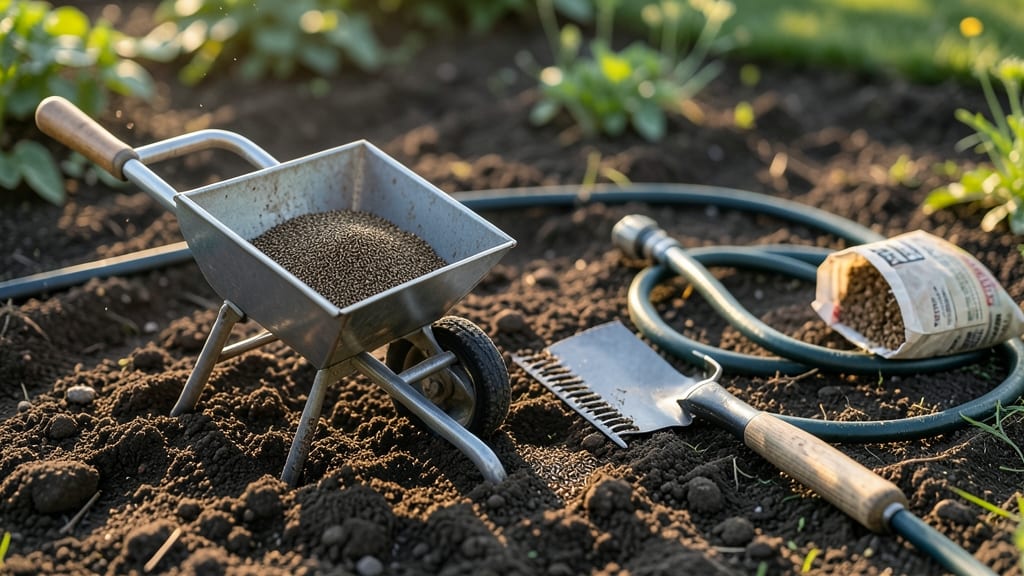
Most gardeners in Zone 6a and beyond know fall is ideal, but the exact window matters. Aim for 4-6 weeks before frost, typically late summer to early fall, when soil temps hover between 50°F–75°F.
This sweet spot ensures your 🌱 grass seed germinates fast while avoiding the stress of extreme weather.
Why does this timing work? Cooler air means less competition from weeds, and shorter days trigger deeper root growth before winter dormancy. Plus, moisture retention improves, so you’ll spend less time watering. Let’s break down the exact steps to nail your planting window and keep your lawn thriving all season.
Ready to skip the guesswork? I’ll walk you through soil prep, seed selection, and care tips tailored to your region—so you can enjoy a vibrant lawn next spring without the summer struggle.
Optimal fall soil temperature ranges for grass seed germination by region
Timing your fall grass seed planting isn't just about the calendar—it's about soil temperatures that trigger germination. For most cool-season grasses like fescue and ryegrass, the sweet spot is between 50°F and 75°F.
Warm-season grasses like Bermuda or Zoysia, however, need at least 65°F to sprout successfully. Getting this wrong can leave you with patchy lawns or wasted seed.
Regional differences play a huge role. Northern states often see ideal conditions in late August to early September, while Southern regions can extend planting into October or even November.
The key is planting 4-6 weeks before your first frost date—this gives seeds time to germinate and establish roots before winter dormancy sets in.
Here's why fall planting works so well: cooler air temperatures reduce water evaporation while keeping weeds at bay. Plus, established roots before winter mean your lawn will bounce back faster in spring.
Let's break down the optimal soil temperature ranges by region to help you pinpoint the perfect window for your area.
🌱 Comparison Table: Fall Planting Windows by Region
In the Northern regions (Zones 3-6), aim for soil temperatures between 50°F and 65°F. This typically aligns with late August to early October, giving seeds time to germinate before winter.
Cool-season grasses like Kentucky Bluegrass and Tall Fescue thrive in these conditions, while weed competition is minimal due to cooler air temperatures.
For Mid-Atlantic and transitional zones (Zones 6-8), you've got a bit more flexibility. Soil temperatures between 55°F and 70°F work well, often extending your planting window into mid-October.
This is perfect for Fine Fescue or Tall Fescue blends, which establish roots quickly before winter dormancy. Just be mindful of early frost warnings in your area.
Southern gardeners (Zones 8-10) have the longest window, but timing is crucial. Warm-season grasses like Bermuda or Zoysia need soil temps above 65°F to germinate.
Plant in September to avoid summer heat stress, or wait until after the first frost in late fall for a second chance. St. Augustine and Centipede grass also benefit from fall planting in these warmer climates.
Pro tip: If your soil temps drop below 50°F before germination, cover seeds with a light straw mulch (¼ inch thick) to retain heat. This simple trick can extend your planting window by 1-2 weeks in cooler regions.
Just avoid burying seeds deeper than ¼ inch—they need light to sprout!
Remember, consistency is key after planting. Keep soil moist (not soggy) until seeds germinate—usually within 7-21 days depending on the grass type. Once sprouts appear, reduce watering slightly but maintain 1 inch per week to encourage deep root growth before winter.
By aligning your planting with these regional soil temperature triggers, you'll give your grass seed the best chance to establish a thick, resilient lawn that outcompetes weeds and survives winter. Happy planting! 🌱
5 Critical factors that determine your exact planting window
Timing your fall grass seed planting isn't just about the calendar—it's about understanding how soil temperatures, grass types, and local climate patterns interact.
I've planted grass seed in three different regions, and I can tell you: getting this window wrong by even a few weeks can mean the difference between a lush lawn and patchy bare spots. The key is balancing root establishment before winter dormancy with avoiding late-season heat stress.
Your personalized planting deadline depends on five critical factors: your USDA hardiness zone, the type of grass seed you're using, your local frost dates, your rainfall patterns, and even the specific seed variety's germination requirements.
For example, cool-season grasses like Kentucky bluegrass thrive when planted 4-6 weeks before your first frost, while warm-season grasses like Bermuda need to be in the ground before summer's heat arrives.
Your Fall Planting Checklist
- 🌡️ Soil Temperature: Aim for 50°F–75°F (use a soil thermometer)
- 📅 Frost Window: Plant 4-6 weeks before first frost
- 🌱 Grass Type: Cool-season (fall) vs. warm-season (late summer)
- ☔️ Rainfall: Avoid planting during drought periods or heavy rain weeks
- 📋 Seed Variety: Check germination time (7-21 days for most grasses)
Let's break down how these factors work together. Your USDA hardiness zone sets the baseline: Northern regions (zones 3-5) have a shorter fall window, while Southern zones (6-9) can plant later.
For example, in Zone 5, I plant tall fescue by mid-September, while in Zone 8, I might wait until early November. Always check your local frost dates—they're the ultimate deadline.
Don't overlook your grass seed variety. Cool-season grasses like ryegrass germinate quickly (7-14 days) and need to establish roots before winter, while tall fescue takes 14-21 days. I once planted fine fescue too late in Zone 6, and the seedlings struggled through a cold snap.
The solution? Always match your seed to your climate and plant earlier if your variety has a longer germination time.
Rainfall patterns can make or break your timing. In dry climates, I avoid planting during monsoon season (like late summer in Arizona), while in wet regions, I steer clear of heavy rain weeks that can wash seeds away.
Check your local 10-day forecast before planting—you want steady moisture without flooding. I use a rain gauge to track patterns and adjust my planting schedule accordingly.
One mistake I see often is planting too early. When I planted perennial ryegrass in early August in Zone 7, the seedlings bolted (produced seeds) before establishing roots.
The rule of thumb? Wait until daytime highs consistently stay below 85°F and nights dip below 70°F. This usually means late August to early October for most regions.
To nail your exact planting window, combine these factors with a soil thermometer and your local extension office's frost data. I create a simple spreadsheet with my zone, frost dates, seed variety, and rainfall forecast.
Then I mark my planting window as 4-6 weeks before frost AND when soil temps hit 50°F–75°F. This dual approach has given me 90%+ germination success over the past five years.