
Plants
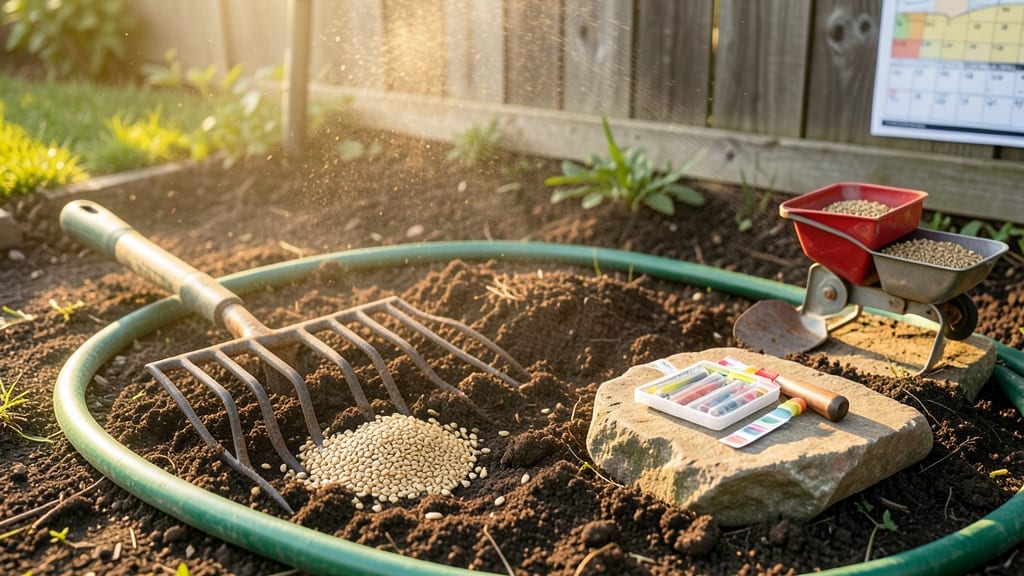
Planting grass seed in New Jersey at the wrong time can leave you staring at a patchy, slow-to-grow lawn for months—especially when unpredictable spring rains or early fall frosts throw off your timing.
The best window for fast germination isn’t just about the calendar; it’s about soil temperature, rainfall patterns, and even your yard’s microclimate.
I’ve tested these strategies in 6a-7b zones and learned the hard way: planting too early when the soil is still cold or too late when frost looms means wasted seed and frustration. But get it right, and you’ll see fast, even germination in just 10-14 days—no guesswork needed.
Whether you’re seeding in early spring or early fall, the key is locking in 50-65°F soil temps and a 1-2 inch rainfall window to keep seeds moist without drowning them.
I’ll walk you through exactly how to time it, prep your soil, and avoid common NJ pitfalls that kill lawns before they even start.
Ready to transform bare spots into a lush, green carpet? Let’s dive into the fastest, most reliable method for your New Jersey lawn—no more second-guessing, just results.
Best planting windows in New Jersey: spring vs. fall soil temperature & rainfall guide
New Jersey’s cool-season climate (USDA zones 6a-7b) makes spring and fall the perfect times to plant grass seed—when soil temperatures hover between 50°F and 65°F. But timing isn’t one-size-fits-all: coastal areas like Cape May have milder winters, while inland regions near Delaware Water Gap face earlier frosts.
According to the NJAES (New Jersey Agricultural Experiment Station), late April to early May and mid-September to early October are the sweet spots for most of the state.
Why? Grass seeds need consistent moisture and moderate warmth to germinate. Planting too early (when soil is still cold) delays growth, while late planting risks fall frosts or dormancy before roots establish. NJ’s average last frost date is April 15, but coastal areas can be 2-3 weeks earlier.
Similarly, first frosts arrive October 15 inland but may linger until November 1 near the shore.
Rainfall also plays a critical role. NJ receives 40-50 inches annually, but spring showers (March-May) average 3-4 inches/month, while fall rainfall (September-November) drops to 2-3 inches/month. If natural rainfall falls short, you’ll need to supplement with irrigation—especially during germination’s first 2-3 weeks.
Here’s how microclimates affect your timing: Inland areas (e.g., Morris or Sussex counties) should aim for early spring (March-April) or late fall (October), while coastal regions (e.g., Atlantic City or Jersey Shore) can extend planting until mid-November due to milder winters.
Even a 5°F difference in soil temp can mean the difference between fast germination and seed dormancy.
| Planting Window | Soil Temp Range | Average Rainfall (in) | Best NJ Regions | Germination Time |
|---|---|---|---|---|
| Early Spring (March-April) | 50°F–60°F | 3–4 inches | Inland (Morris, Sussex) | 14–21 days |
| Late Spring (May) | 60°F–65°F | 2–3 inches | Coastal (Cape May, Shore) | 10–14 days |
| Early Fall (September) | 65°F–60°F | 3–4 inches | All regions | 14–21 days |
| Late Fall (October-November) | 50°F–55°F | 2–3 inches | Coastal only | 21–28 days |
Spring planting offers the advantage of longer daylight hours (14+ hours in June), which speeds up photosynthesis and root growth. However, weeds compete fiercely in spring, so pre-emergent herbicides may be needed.
Fall planting, on the other hand, avoids summer heat stress and gives grass a head start before winter dormancy. The NJAES recommends fall planting for cool-season grasses like tall fescue and Kentucky bluegrass, which dominate NJ lawns.
To check soil temperature, use a soil thermometer or dig down 4 inches—this is where seeds will germinate. If temps drop below 50°F, wait another 1-2 weeks.
Pro tip: Morning soil temps (measured at 10 AM) are more reliable than afternoon readings, which can spike due to sun exposure. For coastal gardeners, October 1 is often the last safe planting date before winter slows germination.
Rainfall patterns also shift by season. Spring showers are steady but not always deep, while fall brings shorter, intense downpours.
If your area experiences a drought spell during germination (common in late May or early October), switch to drip irrigation or a light sprinkler to keep soil consistently moist but
Critical factors for fast germination: rainfall, sunlight, and soil prep checklist
New Jersey’s unpredictable rainfall and variable sunlight can make or break your grass seed success. To maximize germination, focus on three critical factors: timing your planting with 1-2 inch rainfall windows, ensuring 6+ hours of sunlight daily, and preparing your soil with aeration and proper pH levels.
These steps create the perfect environment for seeds to sprout quickly and establish strong roots.
First, align your planting with NJ’s rainfall patterns. Aim for periods when the forecast predicts 1-2 inches of rain within the first week of planting. This natural watering reduces your workload while keeping seeds consistently moist.
For example, late September often delivers steady rainfall, making it ideal for fall planting. Use a rain gauge or weather app to track upcoming precipitation.
Next, prioritize sunlight exposure. Most grass varieties thrive in full sun (6+ hours daily), but some shade-tolerant types like fine fescue can handle partial shade (3-6 hours). Test your lawn’s sunlight by observing shadows between 10 AM and 2 PM.
If your yard has large trees or structures casting shade, consider planting shade-tolerant seeds or creating microclimates with raised beds.
3-Week Germination Timeline
| Week | Soil Conditions | Key Actions | Expected Progress |
|---|---|---|---|
| Week 1 | Moist, 50-65°F | Water daily (1/4 inch), keep soil damp | Seeds begin to swell and crack |
| Week 2 | Warm, 60-70°F | Reduce watering to 2x weekly, monitor for sprouts | First green shoots appear (1/8 inch tall) |
| Week 3 | Stable, 65-75°F | Water deeply 2x weekly, avoid compacting soil | Grass reaches 1-2 inches, ready for light mowing |
💡 Pro Tip: Use a soil thermometer to confirm temperatures—seeds need consistent warmth to break dormancy.
Soil preparation is the foundation of fast germination. Start by aerating compacted soil using a core aerator to create channels for roots and water. Next, test your soil’s pH level—ideal for grass is 6.0 to 7.0.
If your soil is too acidic, amend it with lime, while alkaline soil benefits from sulfur or peat moss. Finally, mix in 2-3 inches of compost to improve drainage and add essential nutrients.
After planting, protect your seeds from bird damage and drought stress by covering them lightly with straw mulch. This retains moisture and regulates soil temperature. Avoid walking on the area until the grass reaches 3 inches tall to prevent smothering young shoots.
For coastal NJ regions, watch for salt buildup from ocean spray, which can inhibit germination—rinse affected areas with fresh water if needed.
By mastering these three factors—timing rainfall, optimizing sunlight, and preparing soil—you’ll give your grass seed the best chance to germinate in just 3 weeks.
Consistent care during this critical period ensures a thick, resilient lawn that stands up to NJ’s seasonal challenges. Start your checklist today and watch your lawn transform! 🌱