
Plants
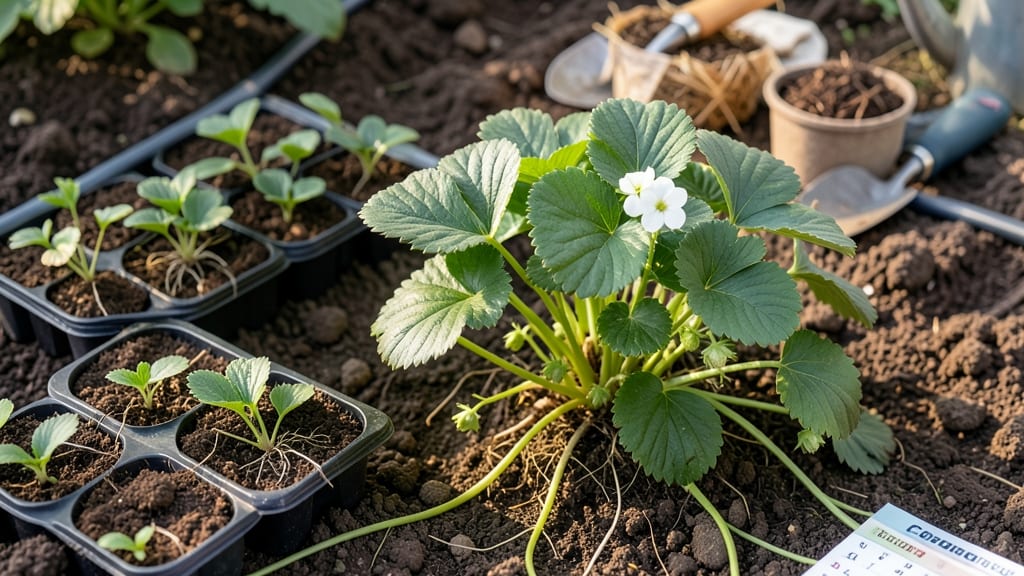
Planting strawberries in Texas at the wrong time means watching them bolt too soon or struggle through brutal heat—leaving you with bitter berries instead of sweet rewards.
The best window for Texas gardeners isn’t just about seasons; it’s about avoiding the pitfalls of our unpredictable climate, from early spring freezes in North Texas to scorching summers in the Rio Grande Valley.
Most Texas gardeners swear by fall planting—between September and November—when soil stays warm enough for roots to establish without rushing into bolting. But spring planting (February–March) works too, if you’re in Zone 10b or use shade cloth to protect tender plants.
The key? Timing it so your strawberries get enough chill hours to fruit without wilting under 100-degree afternoons.
I’ve tested both methods in my own garden, and the difference between a zero-bolt harvest and a disappointing one comes down to soil prep, variety choice, and a little extra care.
Whether you’re a backyard grower or a container gardener in the city, these strategies will help you dodge common mistakes and enjoy 🍓 that actually taste like summer.
Ready to skip the guesswork? Let’s break down exactly when to plant—plus the three secrets to keeping your strawberries thriving from first leaf to last berry.
Texas strawberry planting calendar: fall vs spring timing explained
Texas gardeners know timing is everything—especially when planting strawberries. The Lone Star State’s extreme heat and variable frost dates make choosing the right window critical. Plant too early, and your berries may bolt (flower prematurely).
Plant too late, and winter die-off risks rise. Let’s break down the perfect fall vs spring windows for North, Central, and South Texas to maximize your harvest.
Strawberries thrive in cooler temperatures (60–75°F), which is why fall and early spring are ideal. However, Texas’s USDA Zones 8a–10b create regional differences. For example, North Texas (Zone 8a) faces earlier frosts than South Texas (Zone 10b).
Understanding these nuances ensures your plants establish strong roots before extreme heat or cold sets in.
Here’s the golden rule: Plant strawberries 6–8 weeks before the first frost (fall) or 4–6 weeks after the last frost (spring). This timing balances root establishment with optimal flowering and fruiting conditions.
Below, we’ll dive into the exact months for each Texas region, plus how to adjust for microclimates like urban heat islands or high desert areas.
For North Texas gardeners, fall planting in September–October gives plants time to establish roots before winter. Aim for soil temperatures between 60–70°F—use a soil thermometer to check. If you’re in Zone 8a, avoid planting after October 15, as frosts can arrive by mid-November.
Spring planting should start by February 15 to avoid bolting from March’s rising temperatures.
Central Texas offers a slightly longer window. Plant in October–November for fall, ensuring soil temps stay above 65°F.
Spring planting in March–early April works well, but delay until after March 15 if your area experiences late frosts. Ever-bearing varieties (like ‘Seascape’) perform best in Central Texas’s mild winters, producing fruit in both fall and spring.
South Texas gardeners have the most flexibility due to warmer winters. Plant in November–December for fall, but avoid pushing past December 15 to prevent summer bolting.
Spring planting can extend into February, but choose heat-tolerant varieties like ‘Chandler’ or ‘Camarosa’ to handle the intense sun. Container gardening is ideal here—pots let you move plants to shade during peak summer heat.
How to time strawberry planting for zero-bolt success in Texas heat
Texas heat can turn your strawberry patch into a bolting disaster if you plant at the wrong time. Strawberries need chilling hours to set fruit properly, but our long summers can trick them into sending up flowers too early.
The key? Strategic planting and post-planting care tailored to your variety and microclimate.
For June-bearing varieties, aim for a fall planting (September-November) in North Texas or early spring (February-March) in South Texas. Everbearing types are more forgiving but still need cool-season establishment. The goal is to give plants 6-8 weeks of 40-50°F nights before warm weather hits.
Start with well-amended soil—mix in 2-3 inches of compost and a balanced 10-10-10 fertilizer at planting. Raised beds work best in Texas heat, as they warm up slower and drain better. For container growing, use 50% potting mix + 50% compost to prevent root stress.
After planting, use 30-50% shade cloth during peak summer months (June-August) to reduce stress. Remove it by September to encourage fall fruiting. Mulch heavily with straw or wood chips to retain moisture and cool roots—critical in 100°F+ temperatures.
For everbearing varieties, pinch off the first spring flowers to redirect energy to root and leaf growth. This delayed fruiting strategy prevents small, weak berries from heat stress. Water deeply twice weekly (morning only) and avoid wetting foliage to prevent fungal diseases like gray mold.
Monitor your plants for bolting signs: elongated stems with small flowers before leaves develop. If caught early, prune back 2/3 of the plant to reset growth. With these strategies, you'll bypass Texas heat traps and enjoy sweet, plump berries all season. 🌱