
Planting
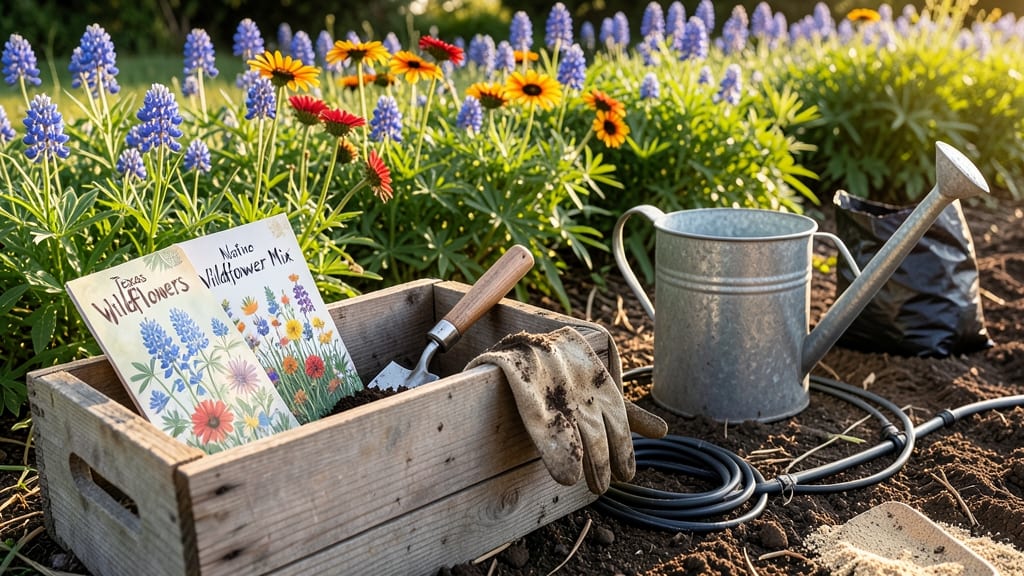
Planting your garden in Central Texas at the wrong time means battling frost one minute and wilting under 100°F heat the next—so getting those dates right is your secret weapon for a thriving 🌱 harvest.
The key isn’t just avoiding frost (which hits around mid-February) but matching your plants to the soil’s warmth and the unpredictable swings between spring rains and summer droughts.
Most Central Texas gardeners know spring and fall are prime windows, but the exact timing varies wildly between cool-season greens (like lettuce) and heat-lovers (like tomatoes).
I’ll break down the precise months to plant everything from perennials to annuals—plus how to cheat the system with shade cloth and succession planting when the mercury climbs.
Why does this matter? Because in Zone 8a-8b, a single week too early can mean stunted growth, while planting too late risks bolting or sunburned leaves.
You’ll learn how to read soil temps (warm-season crops need 60°F+), adjust for your microclimate, and even squeeze in summer crops that most Texans swear won’t survive.
Let’s cut through the guesswork—whether you’re a beginner or a veteran gardener, these data-backed strategies will help you grow more, waste less, and enjoy fresher produce straight from your backyard. Ready to master the Texas timeline?
Central Texas planting calendar: exact dates for vegetables, herbs, and flowers by season
Mastering the Central Texas planting calendar means aligning your garden with nature's rhythm—where frost dates and soil temperatures dictate success. In USDA Zones 8a/8b, we enjoy 215 frost-free days, creating opportunities for year-round harvests when timed correctly.
The key? Planting warm-season crops after April 15 and cool-season crops between September 1 and October 15 to avoid both frost and scorching heat.
My garden thrives by following these seasonal windows: spring planting (February-March), summer succession (June-July), and fall replanting (August-September). For example, tomatoes and peppers need soil at 60°F+—waiting until late March ensures they don't bolt in the heat.
Meanwhile, broccoli and carrots planted in September mature before winter chills arrive.
Central Texas' unpredictable weather demands flexibility. Use these exact planting dates as guidelines, but always check your local frost forecast (typically February 15 for last frost and November 15 for first frost). For instance, green onions and cilantro can handle light frosts, while okra and sweet potatoes thrive in summer's intensity.
For warm-season crops, I start seeds indoors in February to transplant after April 15 when soil warms. Tomatoes and peppers love the heat but wilt if planted too early—wait until nighttime temps stay above 55°F.
My squash and okra thrive when sown directly in May, avoiding transplant shock.
Cool-season plants like broccoli and carrots need 60-70 days to mature, so I plant them September 1-15 for a fall harvest before temperatures drop. These crops tolerate light frosts, making them perfect for Central Texas' fall garden.
I always cover seedlings with row covers if frost threatens in November.
Herbs like basil and cilantro
How to extend your Central Texas growing season: succession planting and heat tolerance hacks
Central Texas summers can push temperatures past 100°F, making traditional planting schedules nearly impossible. But with succession planting and heat-tolerant varieties, you can enjoy fresh produce year-round. The key is staggering plantings every 2-3 weeks to keep harvests flowing, even when the mercury soars.
Start with cool-season crops like lettuce and spinach in late February, then transition to heat-loving plants like okra and sweet potatoes by mid-May. For fall, begin warm-season crops in August to beat the worst heat while still capturing late-season harvests before frost.
- Plant in stages: Sow bush beans every 10 days from March to June for continuous harvests.
- Use shade cloth: Apply 30-50% shade over tomatoes and peppers in July-August to protect from 100°F+ heat.
- Choose heat-resistant varieties: Opt for 'Black Krim' tomatoes and 'Jalapeño M' peppers, bred to thrive in 95°F+ conditions.
- Mulch heavily: Apply 3-4 inches of mulch to retain moisture and keep roots 10°F cooler during peak heat.
- Water deeply at dawn: Soak soil 6-8 inches deep before 8 AM to prevent evaporation and fungal diseases.
For summer crops, focus on succession planting every 2 weeks from June to August. This ensures you always have young, tender plants that can handle the heat better than mature ones. For example, plant okra in early June and follow with sweet potatoes in mid-July for staggered harvests.
Don’t overlook fall planting—this is when Central Texas gardeners truly shine. Start cool-season crops like kale and carrots in late August for harvests before November frost. Use row covers in October to extend the season even further, protecting plants from unexpected cold snaps.
Heat-tolerant herbs like rosemary and thyme thrive in 100°F+ heat, making them perfect for year-round containers. Pair them with drought-resistant veggies like eggplant and peppers to create a low-maintenance, high-yield summer garden.
With these heat tolerance hacks, you’ll turn Central Texas’s extreme climate into an advantage—no more wasted growing seasons or empty harvests. The secret? Plant smart, not just early. 🌱☀️