
Companion Plants
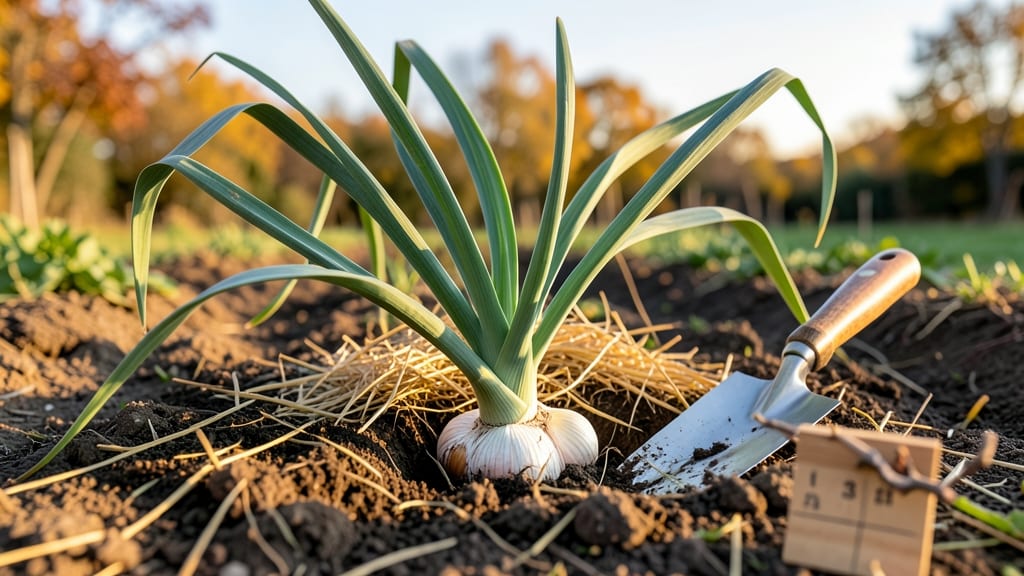
Planting garlic in Zone 6 at the wrong time can turn your 🧄 dreams into disappointment—miss the fall window, and you might end up with weak bulbs or no harvest at all.
The key to success lies in timing, and for Zone 6 gardeners, getting it right means planting between October and November when soil temperatures drop but before the ground freezes solid.
Why does timing matter so much? Garlic needs a period of cold dormancy to develop properly, and planting too early can lead to premature sprouting, while waiting too long risks stunted growth.
I’ll walk you through the exact deadlines, soil prep tips, and even how to adjust for late starts—so you can avoid common mistakes that ruin harvests.
Whether you’re growing hardneck or softneck varieties, the principles are the same: spacing, depth, and post-planting care all play a role in your garlic’s future. Let’s break down the critical steps to ensure your cloves thrive and deliver a bountiful harvest next summer.
Ready to set yourself up for success? By the end of this guide, you’ll know exactly when to plant, how deep to bury those cloves, and what to watch for in the months ahead. Your future 🧄 harvest depends on it!

Zone 6 fall planting deadlines for garlic: exact weeks and months
Garlic thrives in Zone 6 when planted in fall, but timing is critical—plant too early, and cloves sprout prematurely; too late, and bulbs won’t mature fully. The ideal window spans 6-8 weeks before ground freezes, typically October through early November.
Hardneck varieties (like Rocky Mountain or German Red) need this cold period to form scapes, while softneck types (like Silverskin) are more flexible but still benefit from early planting.
Soil temperature is your best indicator. Aim to plant when soil temps drop to 40-50°F (4-10°C)—this ensures roots establish before winter dormancy. Use a soil thermometer if unsure; most Zone 6 regions hit this range by mid-October.
Microclimates matter: Northern Zone 6 (e.g., Chicago) may need earlier planting, while Southern Zone 6 (e.g., Atlanta) can extend deadlines by 1-2 weeks.
Here’s your Zone 6 garlic planting timeline, broken down by variety and regional adjustments:
| Variety Type | Ideal Planting Window | Soil Temp Threshold | Last Planting Deadline | Notes |
|---|---|---|---|---|
| Hardneck | October 1–15 | 40–50°F (4–10°C) | Early November (before hard freeze) | Requires 60+ days of cold for scapes |
| Softneck | October 15–30 | 45–55°F (7–13°C) | Mid-November (soil temp <40°F) | More frost-tolerant; stores longer |
| Elephant Garlic | October 10–25 | 40–50°F (4–10°C) | Early November | Larger cloves; plant 1 inch deeper |
| Northern Zone 6 (e.g., Minnesota) | September 25–October 10 | 40–45°F (4–7°C) | October 20 (earlier freeze) | Use row covers for protection |
| Southern Zone 6 (e.g., Georgia) | October 15–November 5 | 45–55°F (7–13°C) | November 15 (warmer microclimates) | Can plant later with mulch |
For hardneck garlic, the 4-week buffer before freeze is non-negotiable. If your last frost is November 15, plant by October 15—any later, and bulbs won’t develop properly.
Use a frost calendar for your city to pinpoint exact dates. Softnecks are more forgiving but still need 4-6 weeks of root establishment before winter sets in.
Adjust for microclimates within your garden. South-facing beds warm faster and can handle later plantings, while shady or low-lying areas may freeze earlier. Test soil moisture too—dry soil in fall can stunt roots, so water lightly before planting if conditions are arid.
A 1-inch layer of straw mulch after planting insulates cloves and prevents heaving during freeze-thaw cycles.
Missed the fall window? Spring planting is possible but yields smaller bulbs. If you plant in March, use smaller cloves (they sprout faster) and expect harvests 2-3 weeks earlier than fall-planted garlic.
However, spring garlic lacks the flavor depth and scape production of fall-planted varieties, so prioritize timing for best results.
Pro tip: Label your rows by planting date. This helps track
How to adjust planting time for hardneck garlic varieties in Zone 6
Hardneck garlic thrives in Zone 6 when planted at the right time—too early, and cloves sprout prematurely; too late, and bulbs won’t mature properly. The key lies in understanding your local frost dates and the chilling requirements of hardneck varieties.
Unlike softneck garlic, hardnecks need 4-6 weeks of cold dormancy before spring growth begins, making timing critical for bulb development.
Most Zone 6 gardeners plant hardneck garlic between mid-October and early November, but your exact window depends on soil temperatures and frost predictions. A general rule: plant 4-6 weeks before the ground freezes (usually mid-November in Zone 6).
This ensures cloves establish roots before winter while still benefiting from cold stratification.
Hardneck garlic’s frost tolerance is a double-edged sword. While established cloves survive light frosts, newly planted ones can rot if soil is waterlogged or freezing. Mulch with straw or leaves (3-4 inches) after planting to insulate soil and prevent temperature swings.
Remove mulch in early spring once shoots emerge to avoid damp rot.
If you miss the fall window, don’t panic—spring planting is possible but yields smaller bulbs. For spring planting in Zone 6, sow cloves in March when soil temps reach 50°F (10°C).
However, bulbs won’t fully mature, so prioritize fall planting for large, flavorful harvests. Use green garlic (harvested before bulbing) if you plant late.
Pro tip: Test your soil’s cold tolerance by burying a thermometer in your garden bed. If temps drop below 32°F (0°C) for more than 24 hours, delay planting until soil warms slightly. This simple step can save your garlic from freeze damage and ensure robust growth when spring arrives.
Remember, hardneck garlic’s success hinges on timing + chilling. By aligning your planting with soil temps, frost dates, and variety needs, you’ll harvest plump, flavorful bulbs by July or August—worth the effort! 🧄