
Plants
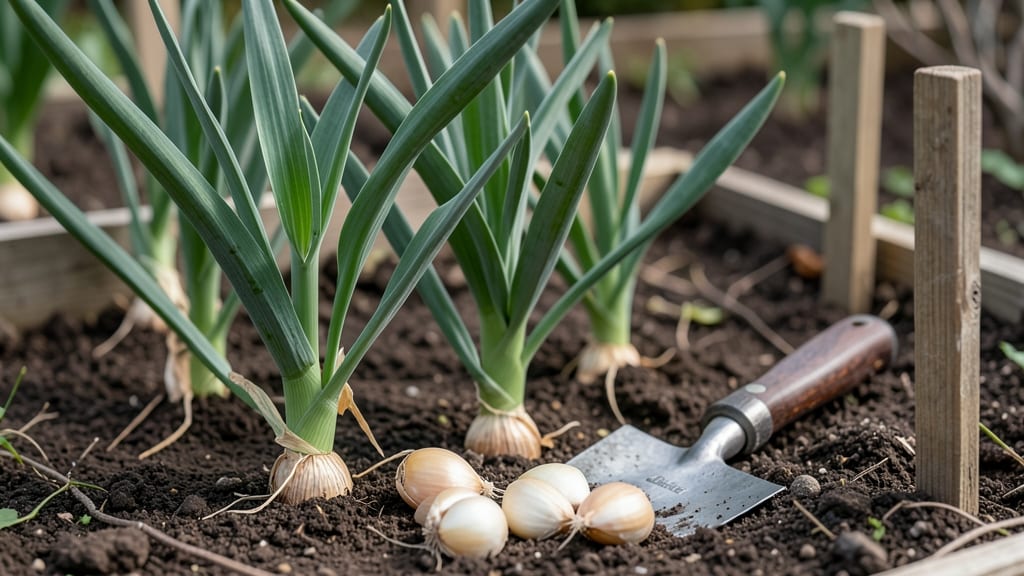
Planting garlic in Zone 7 at the wrong time can turn your 🧄 dreams into disappointment—but get the timing right, and you're on track for plump, flavorful bulbs that rival store-bought.
The key isn't just when to plant, but how to sync it with your local frost patterns and soil conditions.
Most gardeners in Zone 7 know fall planting is ideal, but the exact window matters more than you think. Plant too early, and your cloves might sprout prematurely. Too late, and they won't establish roots before winter sets in.
I'll break down the perfect 4-6 week window before your first frost hits—plus how to adjust if your season runs warmer or colder than average.
Hardneck varieties, the most popular choice for Zone 7, need that precise timing to develop strong stems and large bulbs. Whether you're a first-timer or a seasoned grower, these insights will help you avoid common mistakes and maximize your harvest potential.
Ready to grow garlic that's bigger, tastier, and ready to harvest by late summer? Let's dive into the exact months, soil prep tips, and pro strategies that make all the difference in Zone 7 gardens.

Best planting months for hardneck garlic in Zone 7 (with exact dates)
For Zone 7 gardeners, timing your hardneck garlic planting is critical—plant too early, and cloves may sprout prematurely; too late, and bulbs won’t mature fully. The ideal window spans mid-October to mid-November, aligning with soil temperatures and frost cycles to ensure robust growth.
Hardneck garlic thrives when planted in cool fall soil (40–50°F) before the ground freezes. In Zone 7, this typically means 4–6 weeks before your first frost (usually November 15). Early planting in late September is risky—cloves may sprout too soon, while planting after mid-November delays bulb development.
Key factors for Zone 7 success include:
- Soil temperature (below 50°F triggers dormancy)
- Frost timing (cloves need winter chill to form bulbs)
- Daylight exposure (longer winter days prevent early sprouting)
| Planting Window | Zone 7 Dates | Soil Temp | Key Notes |
|---|---|---|---|
| Primary Window | Mid-October to Mid-November | 40–50°F | Best for bulb formation; avoid early sprouting |
| Late Window | Late November (if soil hasn’t frozen) | 35–40°F | Risk of smaller bulbs; mulch heavily |
| Early Spring Backup | Early February | 40–50°F | Smaller harvest; prioritize disease-resistant varieties |
| Avoid Planting | After Mid-November (unless soil is workable) | Below 35°F | Cloves may freeze; poor bulb development |
In Zone 7’s mild winters, garlic planted in late October benefits from 60–75 days of winter chill, which hardneck varieties need to form scapes and bulbs. If your area has warmer-than-average falls, aim for early November to prevent premature sprouting.
For early planting (before October 15), use row covers or mulch to insulate cloves if temperatures drop below 40°F. Conversely, if frost arrives earlier than expected, plant hardier varieties like 'German White' or 'Music', which tolerate colder soils.
Adjust your timeline based on local microclimates. Gardens in higher elevations within Zone 7 may need to plant 2 weeks earlier, while low-lying areas can extend planting into early December if soil remains workable.
Pro tip: Test soil moisture before planting—dry soil in fall can stress cloves, while waterlogged conditions promote rot. Aim for evenly moist soil (not soggy) to kickstart root growth.
Spring planting in Zone 7 is possible but less ideal. Cloves planted in February produce smaller bulbs due to shorter daylight in summer. Reserve spring planting for replenishing your stock or experimenting with softneck varieties, which tolerate warmer soils.
Remember: Hardneck garlic’s bulb size correlates directly with planting timing. A November planting in Zone 7 yields 20–30% larger bulbs than spring-planted garlic, thanks to optimal winter chilling and summer growth.
How to adjust garlic planting for Zone 7’s frost patterns (pro tips)
Zone 7’s mild winters can trick even experienced gardeners into planting garlic at the wrong time. The key is understanding how frost patterns affect your garlic’s dormancy and growth cycle.
Unlike colder zones, Zone 7’s 4-6 week frost-free window in late fall and early spring demands precise timing to avoid premature sprouting or frozen cloves.
Hardneck garlic thrives when planted 4-6 weeks before your first frost, but in Zone 7, that window often shifts between mid-October and early November. If you plant too early, your cloves may sprout before winter sets in, leaving them vulnerable to freezing.
Too late, and they won’t establish roots before the ground hardens.
Here’s the critical adjustment: monitor your local soil temperature and aim for a planting window when temps hover around 40-50°F. This ensures roots have time to grow before winter dormancy kicks in.
⚠️ Zone 7 Planting Warning: Don’t Plant Too Early!
Planting garlic in September or early October risks premature sprouting before winter. If shoots emerge and freeze, your cloves will rot. Wait until soil temps drop below 60°F—typically mid-October—to avoid this common mistake.
Pro Tip: Use a soil thermometer to confirm temps are consistently below 60°F before planting.
Once planted, protect your garlic with a 4-6 inch layer of mulch (straw or leaves work best) to insulate cloves from freeze-thaw cycles. In mild Zone 7 winters, this extra layer prevents soil from fluctuating too much, keeping roots stable.
If your winter is unusually warm, consider using row covers or cold frames to mimic dormancy conditions. Garlic needs a period of cold to vernalize (trigger bulb formation), and unseasonably warm spells can disrupt this process.
To check if your garlic is planted just right, look for 1-2 inch green shoots by late winter. If sprouts are taller or the soil feels soggy, you planted too early. Adjust next year’s timing by waiting 1-2 weeks later.
With these adjustments, your Zone 7 garlic will develop large, flavorful bulbs ready for harvest in late July or August—no frost-related surprises included. 🌱