
Companion Plants
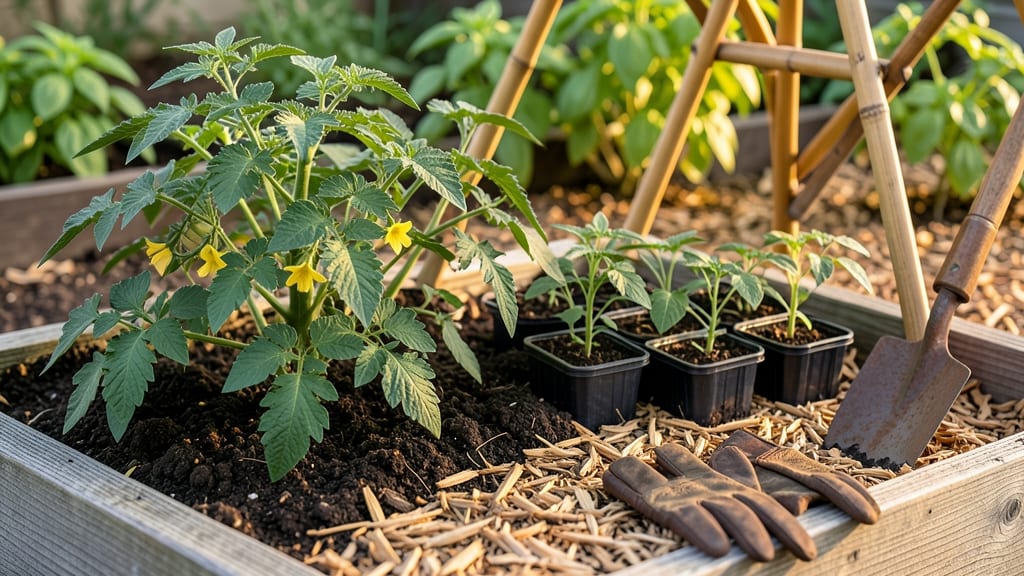
Planting your 🍅 tomatoes at the wrong time in Illinois can mean the difference between a bumper crop and a sad, wilted disappointment. The key to success isn’t just waiting for spring—it’s knowing exactly when to put those seedlings in the ground so they thrive through summer and into fall.
With Illinois’ diverse growing zones (5-7), the perfect planting window shifts from northern counties like Chicago to southern areas near St. Louis. Get it wrong, and you’ll either lose seedlings to late frosts or watch your harvest fizzle before the first chill of October.
But with the right timing, you can stretch your tomato season from June all the way through October—or even longer with a few simple tricks.
I’ve grown tomatoes in Illinois for years, and I’ll show you exactly when to plant based on your specific zone, how to prepare your soil for maximum success, and even how to extend your harvest with low-cost solutions. Ready to turn your backyard into a tomato powerhouse?
Let’s dive into the frost-free timeline that’ll give you the juiciest, most productive tomatoes Illinois has to offer—without the guesswork.
Illinois tomato planting dates by USDA heat Zone (Zone 5 vs. Zone 6 vs. Zone 7)
Timing your tomato planting in Illinois depends heavily on your USDA heat zone, with Zone 5 areas like northern Illinois facing much earlier frosts than Zone 7 regions in the south.
The average last frost date can vary by 2-3 weeks between counties, so knowing your exact zone is critical for success.
For example, Chicago’s Zone 5b typically sees its last frost around April 20, while Zone 6 St. Louis averages April 5—a 2-week difference that matters for your harvest.
Most Illinois gardeners use transplants (purchased seedlings) rather than direct sowing, as seedlings give you a 2-3 week head start on the growing season. However, if you’re direct sowing, aim to plant after your area’s average last frost date and when soil temperatures reach 60°F.
In Zone 5, this often means waiting until mid-May, while Zone 6-7 gardeners can plant as early as late April.
Microclimates further complicate timing. Urban areas like Chicago’s Loop can experience heat islands, warming up faster than rural areas, while river valleys (like near the Mississippi) may stay cooler longer. Always check your specific county’s frost data and adjust planting dates accordingly—even within the same zone, your yard’s microclimate can shift your ideal window by 1-2 weeks.
For transplanting seedlings, start indoors 6-8 weeks before your last frost date to ensure robust plants ready for the garden. In Zone 5, this means indoor starts by March 15, while Zone 7 gardeners can begin as early as February 15.
Harden off seedlings for 7-10 days before transplanting to avoid shock—especially critical in Illinois’ unpredictable spring weather.
If you’re direct sowing, use biodegradable pots or plant seeds 1/4 inch deep in warm soil. In Zone 6-7, you can even try early April sowings under row covers to extend your season.
However, Zone 5 gardeners should wait until soil temps hit 60°F (usually late May) to avoid stunted growth from cold soil.
Urban gardeners in cities like Chicago often face earlier soil warming due to concrete and asphalt absorbing heat. Test your soil with a soil thermometer—if it’s below 55°F, wait a few more days.
Rural areas, especially near lakes or forests, may stay cooler, delaying planting by 1-2 weeks. Always monitor your local weather forecasts for late frost warnings in April.
For extended harvests, consider succession planting in Zone 6-7. Plant a second batch of determinate varieties (like Roma tomatoes) in early June to enjoy fruit into October.
In Zone 5, focus on early-maturing varieties like Early Girl or Stupice, which can produce fruit in as few as 50 days.
Remember, Illinois’ first frost
How to extend your Illinois tomato season: cold frames, row covers, and succession planting
Even if you nail your tomato planting window in Illinois, the season doesn’t have to end when the first frost whispers in October. With a few smart tricks, you can stretch your harvest well into fall—or even start earlier in spring.
I’ve used these methods for years to keep my plants thriving when the weather turns chilly, and the results are worth the extra effort.
Illinois’ short growing season (just 165 frost-free days in most zones) means every extra week counts. Whether you’re in Zone 5 Chicago or Zone 7 St. Louis, these low-cost solutions can add 4-6 weeks to your tomato harvest without fancy equipment.
Let’s break down the best options for your garden.
Cold Frames vs. Row Covers vs. Succession Planting
Cold Frames
- Pros: Extends season 4-6 weeks both sides, protects from light frost
- Cons: Higher upfront cost (~$50-$150), requires assembly
Best for: Early spring starts or fall harvests in Zone 5-6
Row Covers
- Pros: Low-cost (~$20-$40), easy to install, works for light frosts
- Cons: Blocks sunlight slightly, needs staking
Best for: Late-season protection (Zone 5-7) and pest control
Succession Planting
- Pros: No extra equipment, guarantees continuous harvest
- Cons: Requires space, needs careful timing
Best for: Zone 6-7 gardeners with extra beds
For cold frames, I recommend a simple DIY version using a wooden box and clear plastic lid. Place it over your tomato plants in early September—this traps heat during the day and protects against 28°F frosts.
In my Zone 5 garden, this has kept my Cherry Tomatoes producing until Thanksgiving. Just remember to prop the lid open on warm days to prevent overheating.
If you prefer something simpler, floating row covers (like Reemay fabric) are a game-changer. Drape them over your plants when nighttime temps drop below 50°F. I’ve seen Beefsteak Tomatoes survive 32°F nights under these covers, though you’ll need to secure them with bricks or stakes.
The best part? They also deter pests like hornworms and aphids.
My favorite trick for succession planting is staggering transplants every 2-3 weeks from May through July. Start with early varieties like 'Stupice' (cold-hardy) in late April, then add 'Better Boy' in early June, and finish with 'Celebrity' in late July.
This ensures you’re always harvesting something—even when the first frost arrives in October.
Don’t forget to choose disease-resistant varieties like 'Mountain Merit' or 'Defiant PhR' for fall planting. These hold up better to late-season blight and give you a fighting chance for those October harvests.
With these methods, you’ll be canning, freezing, or enjoying fresh tomatoes long after your neighbors have given up.