
Companion Plants
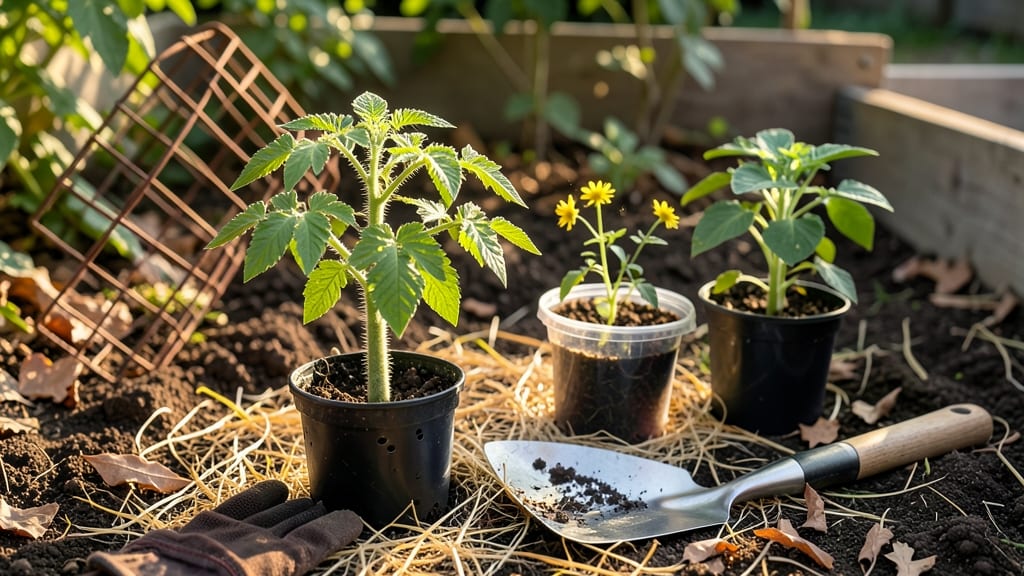
Timing when should I plant tomatoes in Ohio isn’t just about the calendar—it’s about beating frost, warming soil, and giving your plants the 165 frost-free days they need to thrive.
Plant too early, and a late frost could wipe out your seedlings; too late, and you might miss the sweet spot for a summer harvest. The key is knowing when your local heat zone (like 6a-6b) signals "go," and how to adjust for Ohio’s unpredictable spring.
Most Ohio gardeners swear by starting seeds indoors by March 15, then transplanting after the last frost—typically April 15 to May 15. But here’s the catch: soil temperature matters more than the date.
Wait until it hits 60°F (15°C), and bury those stems deep for roots that can handle Ohio’s humidity and heat waves. Skipping this step? You’re rolling the dice on stunted growth or disease.
If you’re in northern Ohio, aim for early-may planting; southern Ohio growers can push it to mid-May. The goal is to give your tomatoes 70-90 days of warm weather before the first frost in October.
Pro tip: Use row covers or cold frames to shave off 10-14 days of risk—because in Ohio, Mother Nature loves to throw curveballs.
Ready to avoid the common mistakes? I’ll walk you through how to read your local frost maps, choose the right tomato varieties for your zone, and even extend your harvest into fall. Let’s make sure your garden’s 🍅 tomato dreams don’t freeze—or bolt—before they ripen.
Ohio’s tomato planting timeline by USDA heat Zone
Ohio’s USDA Heat Zones 5-8 create dramatic differences in tomato planting windows—from late April in the northwest to mid-May in the southeast. These zones dictate when soil warms to 60°F (15°C), the critical threshold for tomato roots.
Planting too early risks frost damage, while waiting too long shortens the growing season. Let’s break down the exact frost-free windows for each zone, including soil temperature cues and heat zone-specific risks like early blight in humid summers.
In Zone 5 (northwest Ohio), the last frost typically arrives April 20-30, but wait until soil reaches 60°F—often May 1-10. Zone 6 (central Ohio) has a 10-day earlier window, with planting ideal between April 25-May 5.
Zones 7-8 (southeast Ohio) can start April 15-25, but watch for late spring frosts that can linger into early May. Each zone’s timeline balances frost risk with heat zone maturity—critical for Ohio’s 70-90 day tomato varieties.
🌱
For Zone 5, where late frosts are common, use row covers to extend the season or opt for early-maturing varieties like 'Stupice' (65 days). In Zones 7-8, prioritize shade cloth during summer to prevent blossom drop from heat stress.
Always test soil temperature with a soil thermometer—cool, wet springs in Ohio can delay warming by 2-3 weeks.
Ohio’s humid summers also demand attention to early blight, a fungal disease that thrives in warm, moist conditions. Plant resistant varieties like 'Mountain Merit' and space plants 18-24 inches apart for airflow.
In Zone 6, where humidity peaks, apply mulch to keep foliage dry. For all zones, avoid overhead watering after noon to reduce disease risk.
If you’re starting seeds indoors, begin 6-8 weeks before your zone’s last frost date. For Zone 5, that’s March 1-15; for Zone 8, February 15-March 1.
Harden off seedlings for 7-10 days before transplanting. Use self-watering pots to prevent transplant shock—a common issue in Ohio’s variable spring weather.
🌿
Pro tip: Check NOAA’s Climate Data for your county’s 30-year frost averages—some areas like Toledo (Zone 5b) have later frosts than Columbus (Zone 6a). Adjust your timeline by 5-7 days if your local data shows a colder microclimate.
For example, Youngstown (Zone 6b) often needs to wait until May 1 for safe planting.
Finally, Ohio’s first frost typically arrives October 15,
How to adjust tomato planting for Ohio’s microclimates
Ohio’s diverse landscapes—from urban heat islands in Columbus to cooler rural areas in the Appalachians—create microclimates that demand flexibility in tomato planting. While the average last frost date is April 15, your specific location could shift that window by 2-3 weeks.
Urban areas often warm up faster due to concrete and buildings, while rural zones may stay colder longer. Understanding these differences helps you time transplants for maximum success.
For container gardening, the rules change entirely. Pots heat up faster and dry out quicker, so you’ll need to adjust your planting timeline and watering schedule accordingly.
Even if your neighbor’s in-ground tomatoes thrive with mid-May planting, your balcony tomatoes might need an earlier start—or a row cover to protect against late frosts. Let’s break down how to tailor your approach.
If you’re gardening in Columbus or Cincinnati, urban heat can push your planting window to mid-April for containers or late April for in-ground plants. But if you’re near Toledo or Youngstown, hold off until early May to avoid frost.
Always monitor local weather forecasts—a late frost in April can wipe out unprotected seedlings in minutes.
For container tomatoes, I recommend starting seeds indoors by March 15 and transplanting to pots by May 1. Use a lightweight potting mix with added compost to retain moisture, and place containers in a south-facing spot for maximum sunlight.
Remember, pots dry out 2-3x faster than garden beds, so check soil moisture daily.
To extend your harvest, invest in floating row covers or a small cold frame. These tools let you plant 2 weeks earlier in spring or 2 weeks later in fall, adding 4-6 extra weeks to your tomato season.
Just remove covers during flowering to allow pollination—bees need access too!
Pro tip: Use NOAA’s Climate Data (link here) to track soil temperatures and frost alerts. Set up a free account for hyper-local forecasts, and adjust your planting schedule based on real-time data.
With these tweaks, you’ll beat Ohio’s unpredictable weather and enjoy tomatoes from July through October. 🌱