
Companion Plants
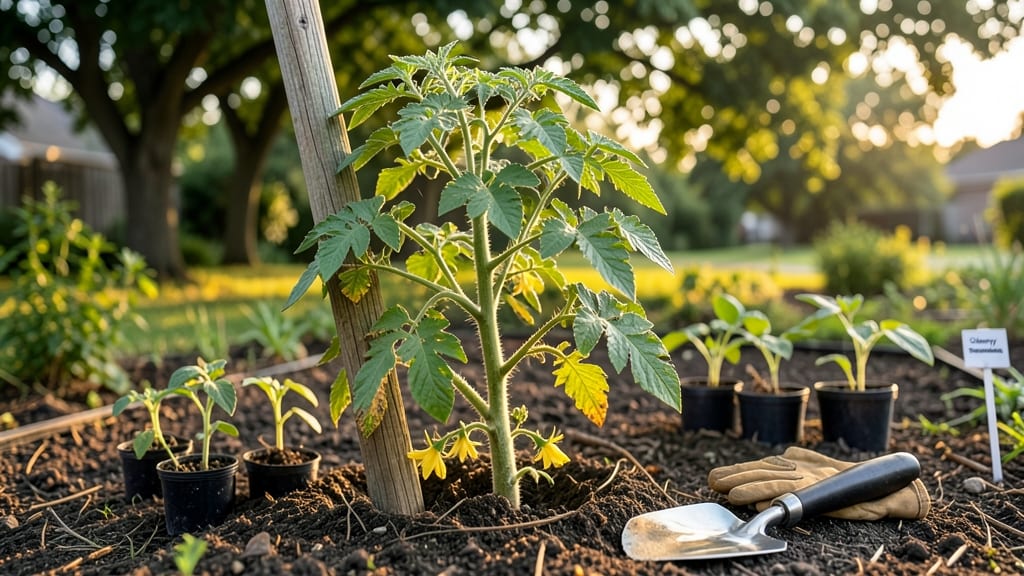
Planting tomatoes at the wrong time in Tennessee can mean the difference between a bountiful harvest of juicy 🍅 and wasted effort—especially when late frosts still lurk in the forecast.
With Tennessee’s diverse climate—from the cooler Appalachian highlands to the warmer Gulf Coast lowlands—timing is everything. Whether you’re a seasoned gardener or just starting, knowing exactly when to start seeds indoors, transplant seedlings, and expect zero-frost survival is critical.
This guide breaks down county-specific planting windows based on USDA zones 6a-7b, frost averages, and soil temperature thresholds.
Skip the guesswork and avoid the heartbreak of frost-killed plants. I’ll walk you through the perfect planting schedule for your area, including soil prep tips, spacing tricks, and even container options for urban gardeners. Let’s get those tomatoes growing strong and ready to harvest from June to October!
Ready to turn your Tennessee garden into a tomato powerhouse? Let’s dive into the county-specific dates and strategies that’ll set you up for success—no matter where you are in the state.
Tennessee county-by-county tomato planting dates by USDA Zone and frost risk
Timing your tomato planting in Tennessee means navigating a patchwork of USDA zones 5a through 8a, where the last frost can arrive as early as March 15 in Memphis but linger until May 1 in the Appalachian highlands.
These variations make county-specific guidance essential—whether you're in Shelby County's Zone 7b or Carter County's Zone 6a. The key to success lies in matching your planting schedule to soil temperatures above 55°F and understanding your local frost risk, which can shift dramatically even between neighboring counties.
For most Tennessee gardeners, the optimal transplant window falls between April 15 and May 15, but this shifts 2-4 weeks earlier in southern zones like Sullivan County (Zone 8a) and 2-3 weeks later in northern zones like Campbell County (Zone 6a).
Indoor seed starting should begin 6-8 weeks before your last frost date, giving seedlings a head start before they're ready for the garden. Let's break down the specific planting windows by zone and county examples to help you avoid frost-related setbacks.
In Zone 5a-6a counties like Carter and Sullivan, where late frosts are common, I recommend starting seeds indoors by March 15 and using row covers to protect early transplants.
These areas have only a 65% confidence of avoiding frost after your recommended transplant window, so be prepared to extend the season with protective measures.
For Zone 6b-7a counties such as Davidson (Nashville) and Anderson, the window narrows to April 25-May 10, offering an 80% frost-free guarantee—ideal for both heirloom and hybrid varieties.
The southernmost counties in Zone 7b-8a, including Shelby (Memphis) and Dyer, offer the earliest planting opportunities, with 90% frost-free confidence by April 25.
Here, you can even experiment with late summer transplants for a fall harvest, planting as late as July 15 for varieties like 'Celebrity' or 'Solar Fire'. These heat-tolerant tomatoes thrive in the longer growing season typical of Tennessee's southern regions, where frost rarely arrives before November 15.
For urban gardeners in cities like Nashville or Chattanooga, microclimates can create localized frost pockets. Always check your specific neighborhood's frost history—urban areas often experience 2-3°F warmer temperatures than rural zones just a few miles away.
If you're unsure about your exact frost date, use the NOAA Climate Data tool to pull your county's 30-year averages, then adjust your planting by 1-2 weeks earlier for added safety.
Soil temperature is just as critical as air temperature. Use a soil thermometer to confirm your garden beds have reached 55°F before transplanting. In cooler zones, consider using black plastic mulch or soil warming cables to accelerate warming.
For container gardening, which is popular in Tennessee's urban areas, opt for heat-retentive materials like fabric pots that absorb and hold warmth longer than traditional plastic.
Remember that heirloom varieties often require longer growing seasons than hybrids, so in Zone 6
How to adjust tomato planting dates for Tennessee’s microclimates and frost quirks
Tennessee’s diverse geography—from the Appalachian Mountains to the Mississippi River Valley—creates wildly different frost patterns. A mountain valley in Sevier County might lose its last frost by April 15, while a river bottom in Memphis could be frost-free by March 15.
These microclimates mean your neighbor’s planting schedule might not work for you. To succeed, you’ll need to adjust your tomato planting dates based on local frost history, elevation, and even urban heat pockets.
Don’t rely on generic planting charts—use NOAA frost data for your exact ZIP code. The USDA Plant Hardiness Zone Map gives a starting point, but Tennessee’s frost quirks (like sudden late frosts in April) demand extra precision.
For example, Chattanooga’s valley frost pockets can trap cold air weeks after Nashville’s urban heat islands have warmed up. By learning these patterns, you can extend your growing season with row covers or soil warming—or even squeeze in a fall harvest before the first frost.
- Mountain vs. Valley Frost Timing: High elevations (e.g., Great Smoky Mountains) often have 2-3 weeks later last frosts than nearby valleys. Use elevation-adjusted dates—subtract 1 week per 1,000 feet of elevation gain.
- Urban Heat Islands: Cities like Nashville and Memphis can be 5–10°F warmer than rural areas, pushing last frost dates 1–2 weeks earlier. Plant 2 weeks earlier in urban zones if your soil warms faster.
- River Valley Microclimates: Areas near the Tennessee River or Cumberland River may experience earlier springs due to water’s heat retention. Check local NOAA frost records—these zones can be 10–14 days ahead of surrounding hills.
- Row Covers for Early Starts: Use floating row covers to plant 3–4 weeks earlier than your average last frost date. Remove covers when flowers appear to prevent heat stress—just 2–3 weeks before harvest.
- Fall Harvest Trick: For a second tomato crop, plant heat-tolerant varieties (like ‘Solar Fire’) in late July and use black plastic mulch to warm soil. Aim for 60–70 days to maturity before your first frost.
Start by calculating your local frost-free date using NOAA’s Frost/Freeze Product (available at [NOAA Climate Data](https://www.ncdc.noaa.gov)). For most of Tennessee, this falls between March 15 (southwest) and April 15 (east).
Once you have your date, work backward: transplant seedlings when soil temps hit 60°F+ (usually 2–3 weeks after last frost) and start seeds indoors 6–8 weeks before that date.
If you’re in a high-risk frost zone (like East Tennessee’s plateau region), consider cold frames or low tunnels to push your planting window 2–3 weeks earlier. These structures can raise soil temps by 5–10°F, giving your tomatoes a head start.
For urban gardeners, container growing lets you move pots to sunnier spots or near heat-retaining walls to extend your season.
For a fall harvest, time your second planting to mature 60–70 days before your average first frost (typically October 15–November 1). Choose fast-maturing varieties like ‘Early Girl’ (50 days) or ‘Stupice’ (65 days) and use black plastic mulch to absorb heat.
In Zone 7b+, you might even get a third crop if you plant in early August!
Pro tip: Keep a gardening journal to track your local frost dates and tomato growth. Over time, you’ll spot patterns—like Chattanooga’s tendency for April frosts or Memphis’ early warm-ups.
Adjust your schedule yearly based on your notes, and soon, you’ll be harvesting tomatoes weeks longer than your neighbors—no frost worries! 🌱